
 Air Duct Repair
 Air Duct Repair
Professional Air Duct Repair – For Cleaner Air and a More Efficient HVAC System
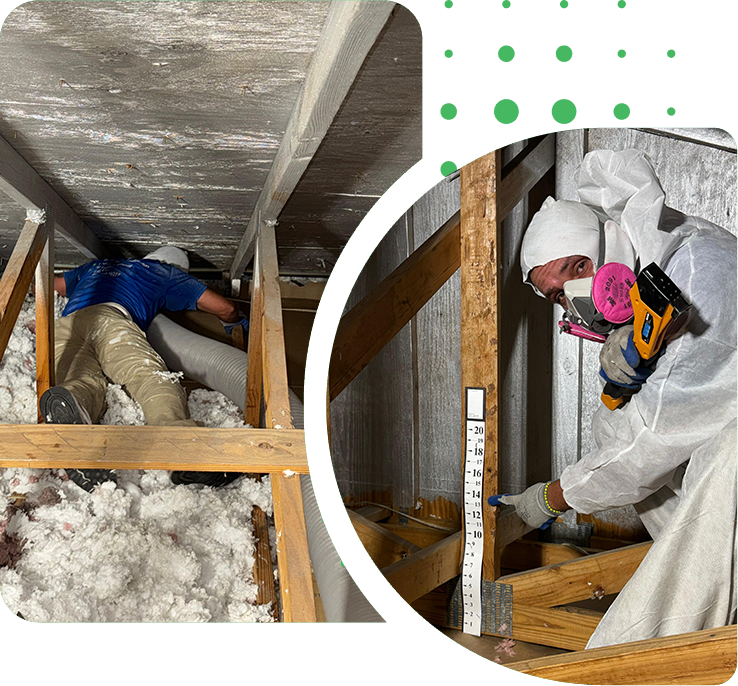
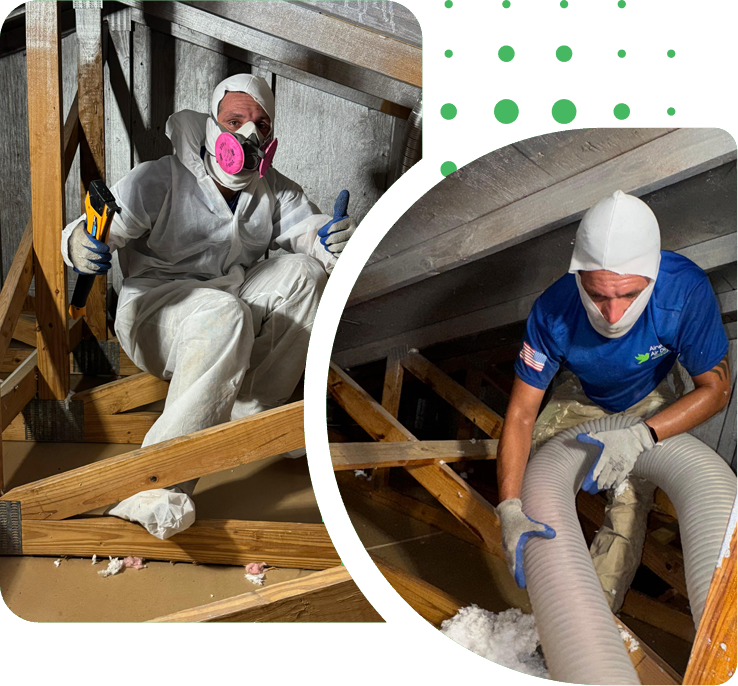
Your air ducts are the hidden highways of your home’s HVAC system, silently working behind the scenes to deliver clean, conditioned air to every room. But when those ducts are leaking, torn, or poorly sealed, they don’t just waste energy – they can also compromise your indoor air quality and put added strain on your heating and cooling systems.At Airwayz, we offer expert air duct repair services designed to restore proper airflow, eliminate air leaks, and protect your home’s comfort and safety. Whether you're noticing uneven temperatures, rising energy bills, or dust buildup, our team is here to diagnose the problem and fix it right — with care, precision, and long-lasting results.
Testimonials
Our Clients Feedback
Olivia .C
Ethan .B
Sophia .N

Years of
Experience
Airwayz
Why Choose Airwayz?
Personalized Project Management
You get direct support from our team throughout the entire process.
Clear Timelines
No surprises. We show up on time and finish as promised.
Licensed Professionals
Every technician is certified and trained to deliver safe, lasting results.
Local Experience
We understand Florida’s unique air quality challenges, high humidity, and building standards - and we tailor our solutions accordingly.
Related Articles
People Also Ask
Yes, ductwork can often be repaired, which is a cost-effective alternative to full replacement. Common repairable issues include disconnected sections, small holes, tears in flexible duct, or leaks at seams and joints. Professional technicians typically seal leaks with mastic sealant or metal-backed tape and secure any loose connections. However, extensive corrosion, major collapses, or ducts that are severely undersized for the system usually necessitate replacement. Proper repair improves system efficiency by preventing conditioned air loss, enhances indoor air quality by blocking pollutant entry, and can significantly reduce energy bills. It's recommended to have a professional assessment to determine if repair is viable for your specific situation.
The cost to repair ductwork varies widely, typically ranging from $300 to $1,500, with complex jobs potentially exceeding $2,000. Key factors include the extent of damage, accessibility of the ducts, the type of duct material, and local labor rates. Simple fixes like sealing a leak with mastic may cost a few hundred dollars, while replacing entire sections of damaged ductwork in a hard-to-reach attic or crawlspace can be significantly more. It's crucial to get a professional assessment, as inefficient ducts can increase energy bills by up to 30%. For a deeper look at how proper ductwork impacts overall air quality and system efficiency, we recommend our internal article, The Vent Visionaries: Seeing Clean Air Where Others See Ducts.
Insurance coverage for air duct replacement is not standard and depends heavily on your specific policy and the cause of the damage. Most homeowners insurance policies are designed for sudden, accidental events. Therefore, if your ducts are damaged by a covered peril like a fire, a fallen tree, or significant water damage from a burst pipe, replacement may be covered. However, insurance typically does not cover replacement due to normal wear and tear, poor maintenance, mold from ongoing humidity, or simply wanting to upgrade an old system. It is crucial to review your policy details and speak directly with your insurance agent. For a detailed guide on the process and benefits, refer to our internal article Air Duct Replacement.
The cost to replace ductwork in a 2000 sq ft house typically ranges from $6,000 to $12,000, with a national average around $8,500. This wide range is due to several key factors. The primary variables are the home's layout and accessibility; complex multi-story designs or tight crawlspaces increase labor time and cost. The type of duct material chosen, such as flexible duct, sheet metal, or fiberglass duct board, also significantly impacts the price. Additional costs can include new vents, registers, and sealing or insulating the new system. For an accurate estimate, it is highly recommended to obtain multiple detailed quotes from licensed HVAC contractors who will assess your specific home's needs, local codes, and the efficiency of the new duct design.
The cost of air duct repair varies significantly based on the scope of work and system size. Minor repairs, like sealing a small leak with mastic tape, may cost between $100 and $300. More extensive repairs, such as replacing a damaged section of ductwork or addressing issues within walls, can range from $500 to $2,000 or more. Factors influencing price include accessibility, duct material, and local labor rates. It's crucial to get a professional inspection, as hidden damage can impact efficiency and indoor air quality. For a deeper understanding of maintaining your system's integrity, we recommend our internal article, The Art And Science Of Duct Cleaning Perfected In St. Augustine. Proper repair is an investment in your home's health and energy performance.
For professional HVAC air duct repair, it is crucial to locate a certified and experienced local contractor. Look for companies that perform thorough inspections using cameras to identify leaks, tears, or disconnected sections in your ductwork. Proper repair involves sealing joints with mastic or metal-backed tape and replacing severely damaged sections to restore system efficiency, which can significantly lower energy bills and improve indoor air quality. Always verify that the technician follows ACCA or NADCA standards. For an in-depth look at industry best practices and local expertise, we recommend reading our internal article, The Art And Science Of Duct Cleaning Perfected In St. Augustine. This resource details the precision required for optimal system performance.