
 Air Duct Replacement
 Air Duct Replacement
Professional Air Duct Replacement – For Cleaner, Healthier Air and Maximum HVAC Performance
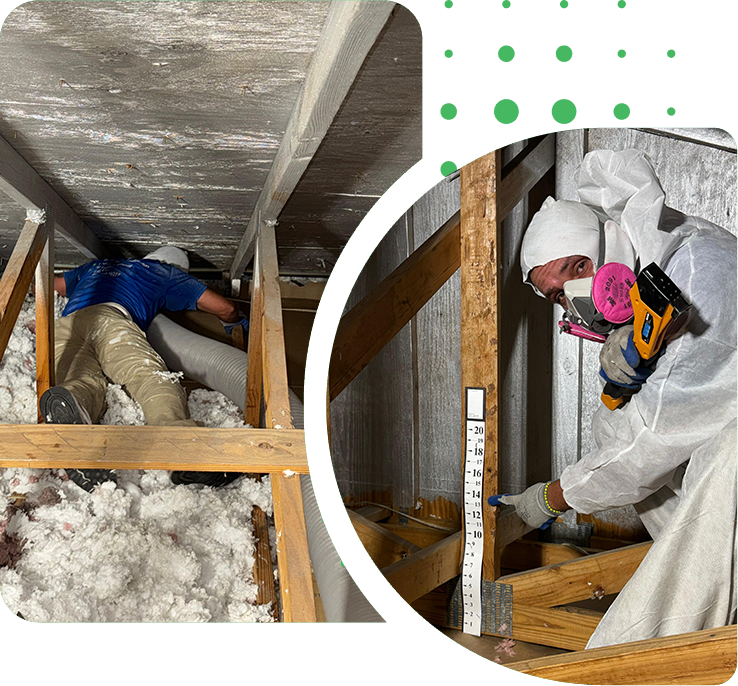
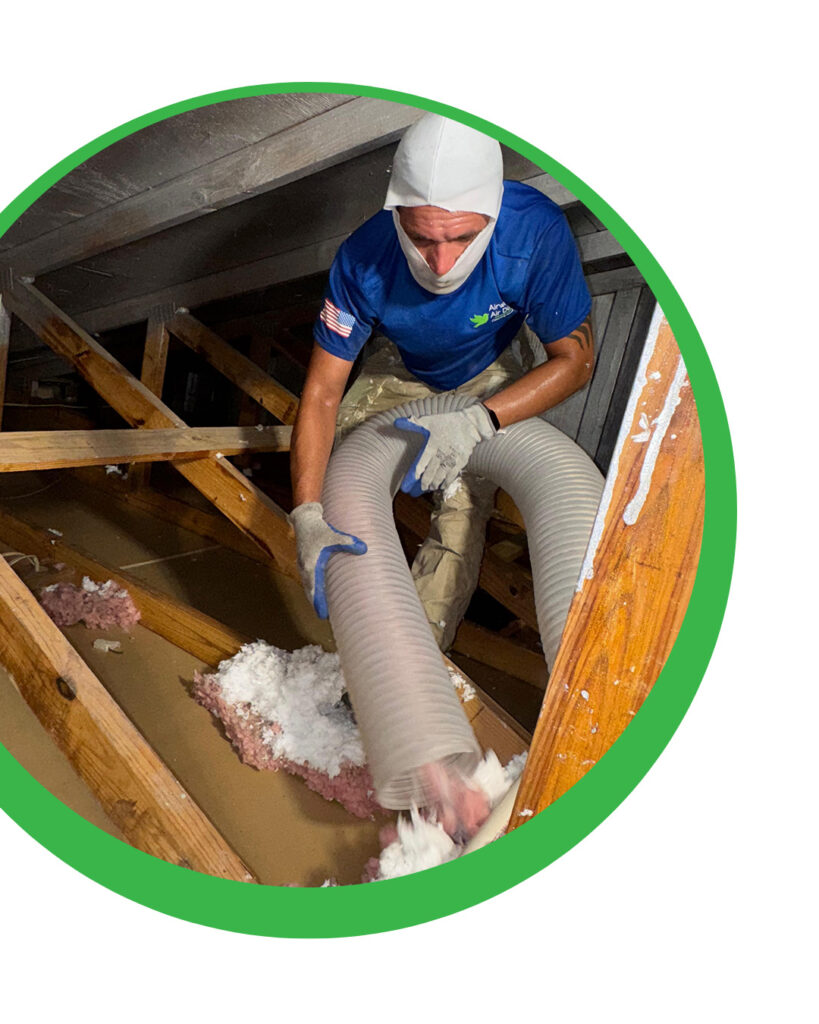
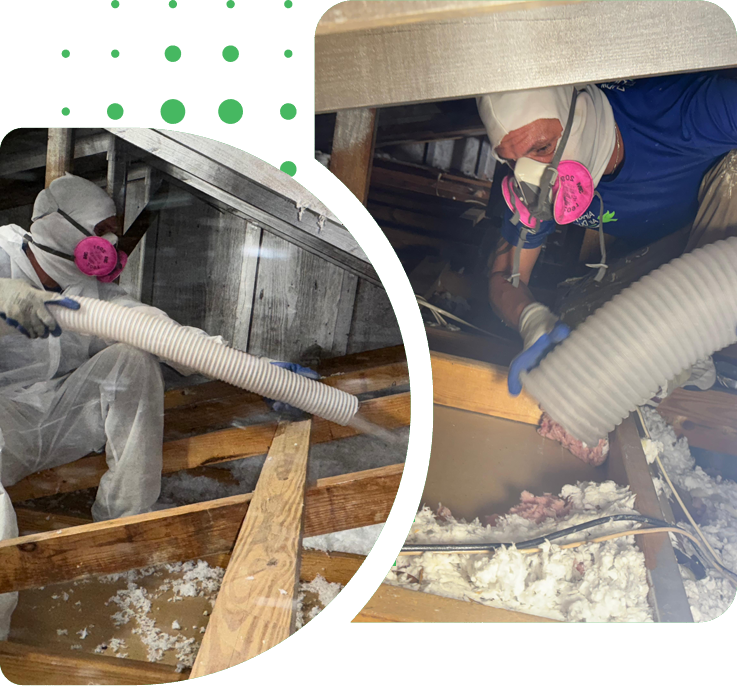
Old, damaged, or poorly designed ductwork can silently undermine the comfort, air quality, and energy efficiency of your home or business. Over time, ducts may develop cracks, corrosion, mold buildup, or sagging that simple repairs can no longer fix. When that happens, a full air duct replacement isn’t just a smart investment – it’s a necessary one.At Airwayz, we specialize in professional air duct replacement that restores your system’s performance from the ground up. Our expert technicians assess your current setup, remove outdated or failing ductwork, and install a custom, high-quality solution built for long-term efficiency, airflow, and indoor air purity. Whether you're upgrading your HVAC system or resolving persistent comfort issues, we ensure your new ductwork is perfectly sealed, properly sized, and built to last.
Testimonials
Our Clients Feedback
Olivia .C
Ethan .B
Sophia .N
Years of
Experience
Airwayz
Why Choose Airwayz?
Personalized Project Management
You get direct support from our team throughout the entire process.
Clear Timelines
No surprises. We show up on time and finish as promised.
Licensed Professionals
Every technician is certified and trained to deliver safe, lasting results.
Local Experience
We understand Florida’s unique air quality challenges, high humidity, and building standards - and we tailor our solutions accordingly.
Related Articles
The Art And Science Of Duct Cleaning Perfected In St. Augustine
Clean Air Ducts: The Heart Of A Healthy HVAC System
People Also Ask
Replacing ductwork can be a significant investment, but it is often worth it for long-term efficiency, comfort, and indoor air quality. If your existing ducts are over 15-20 years old, leaky, poorly sized, or made from outdated materials like fiberglass duct board, they can drastically reduce your HVAC system's performance. New, properly sealed and insulated ductwork minimizes energy loss, leading to lower utility bills and more consistent temperatures throughout your home. It also reduces dust, allergens, and pollutants being drawn into your living spaces. For homeowners planning to stay in their property long-term or those experiencing high energy costs and comfort issues, professional duct replacement typically offers a strong return on investment through improved system operation and longevity.
The average cost to replace ductwork in a residential home typically ranges from $3,000 to $7,000, though complex or large systems can exceed $10,000. This wide range depends on several key factors: the home's square footage and layout, the type of duct material (flexible, sheet metal, or fiberglass), local labor rates, and accessibility within attics, crawlspaces, or walls. A full replacement often includes removing old ducts, installing new ones, sealing all connections, and integrating them with the HVAC system. Investing in professional design and high-quality, properly sized ductwork is crucial, as it directly impacts system efficiency, indoor air quality, and long-term energy costs. Always obtain multiple detailed quotes from licensed, insured contractors.
The cost to replace ductwork in a 2000 sq ft house typically ranges from $6,000 to $12,000, with a national average around $8,500. This is a significant investment that varies based on material choice, home layout, and regional labor rates. Standard sheet metal ducts are common, but flexible ductwork may be cheaper for complex layouts, while insulated options improve efficiency. The job's complexity, such as accessing walls or ceilings, heavily influences the final price. It is crucial to obtain multiple detailed estimates from licensed HVAC contractors. They should assess your home's specific needs, as proper sizing and installation are critical for system performance, indoor air quality, and long-term energy savings.
The cost to replace air ducts varies widely based on factors like home size, duct material, and labor. For a typical single-family home, full duct replacement can range from $3,000 to $7,000 or more. Key cost drivers include the linear footage of ductwork needed, the type of material (flexible duct is often less expensive than rigid metal), and the complexity of the installation, such as accessibility within walls or ceilings. Additional expenses may arise from removing old ducts, upgrading insulation, or modifying the HVAC system. It is crucial to obtain multiple detailed estimates from licensed professionals who assess your specific layout and recommend materials that meet local building codes and efficiency standards.
Estimating ductwork replacement costs involves several variables, making a precise calculator complex. Key factors include the home's square footage, the duct system's accessibility, the type of materials (flexible duct vs. sheet metal), and local labor rates. A basic professional estimate often starts at $1,500 to $2,500 for a small, simple system but can easily exceed $5,000 to $10,000 for larger homes or complex installations requiring new design. Additional costs arise from removing old materials, sealing, testing for efficiency, and any necessary wall or ceiling repairs. For the most accurate estimate, homeowners should obtain multiple in-person assessments from licensed HVAC contractors who can evaluate the specific layout and requirements of the property.
Proper HVAC ductwork supplies are essential for efficient and durable air distribution systems. Key components include rigid metal ducts, flexible ducts for tight spaces, and insulation materials like fiberglass or foam board to prevent energy loss. Essential supplies also encompass sealing products such as mastic or foil tape to minimize air leaks, along with a variety of fittings, registers, and grilles. Using high-quality, correctly sized materials is critical for maintaining indoor air quality, system performance, and energy efficiency. Regular inspection and professional installation ensure the ductwork meets building codes and operates quietly and effectively for the long term.