
Years of
Experience
 Airwayz
 Airwayz
Why Choose Airwayz in Ocala?
Personalized Project Management
You receive direct support from our team throughout the entire project.
Clear Timelines
We complete every job on schedule with consistent communication from start to finish.
Licensed Professionals
Certified experts ensure your air sealing is done safely, effectively, and up to industry standards.
Local Experience
We understand Ocala’s air quality, climate, and energy-efficiency needs, tailoring every solution to your environment.
Testimonials
Our Clients Feedback
Olivia .C
Ethan .B
Sophia .N
Our Services
Complete Indoor Air & Comfort Solutions
Everything your home or business needs for cleaner air, better efficiency, and year-round comfort.

Air Filtration Solutions
Breathe easier with deep-cleaned ducts that reduce allergens and improve airflow throughout your entire home.
READ MOREAir Duct Repair
Fix damaged ductwork to restore proper air circulation and increase your HVAC system’s efficiency and comfort.
READ MORE

Air Duct Cleaning
Remove accumulated dust, allergens, and debris to improve indoor air quality and boost your HVAC system’s efficiency.
READ MOREAir Duct Replacement
Upgrade old or damaged ducts for better air quality, lower energy bills, and consistent indoor temperatures.
READ MORE
AC Installation
Stay cool with modern AC systems designed for high efficiency, energy savings, and long-term home comfort.
READ MORE
Dryer Vent Cleaning
Remove lint buildup and improve airflow to reduce fire risk and extend your dryer’s performance and life.
READ MORE
Dryer Vent Replacement
Replace unsafe or outdated vents for a safer, more efficient dryer and improved indoor air quality.
READ MORE
Dryer Vent Installation
Get professional dryer vent installation that ensures proper airflow, safety, and long-term system efficiency.
READ MORE
Blow-In Insulation
Enhance home comfort and energy savings with high-performance insulation installed quickly and mess-free in your attic.
READ MORE
Insulation Removal
Safely remove old or damaged insulation to eliminate allergens, pests, and moisture before upgrading your space.
READ MORE
Air Sealing
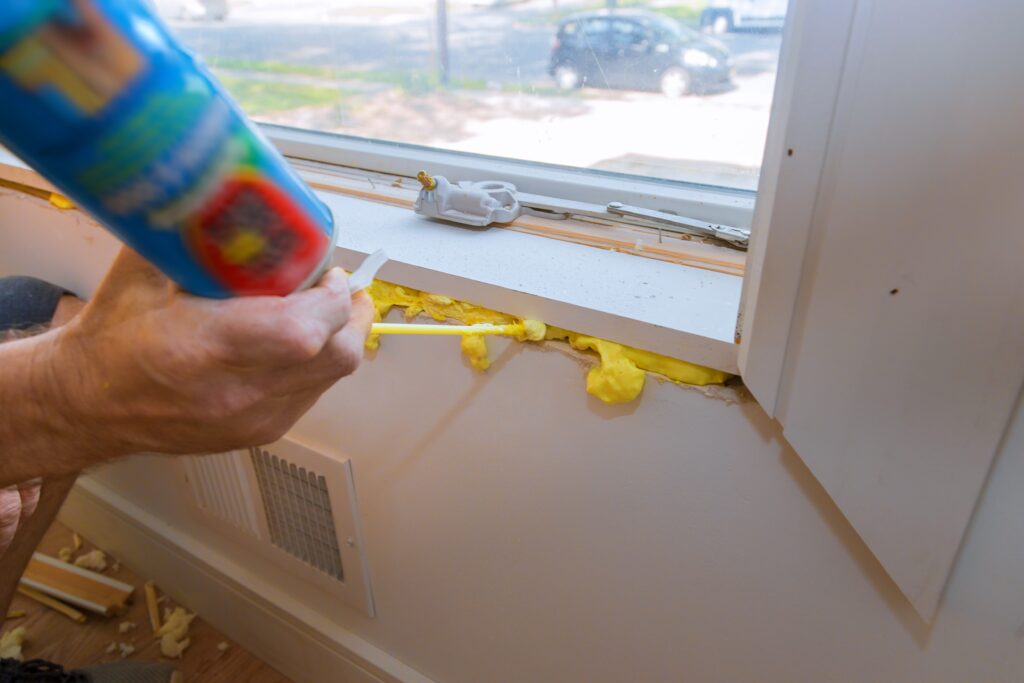
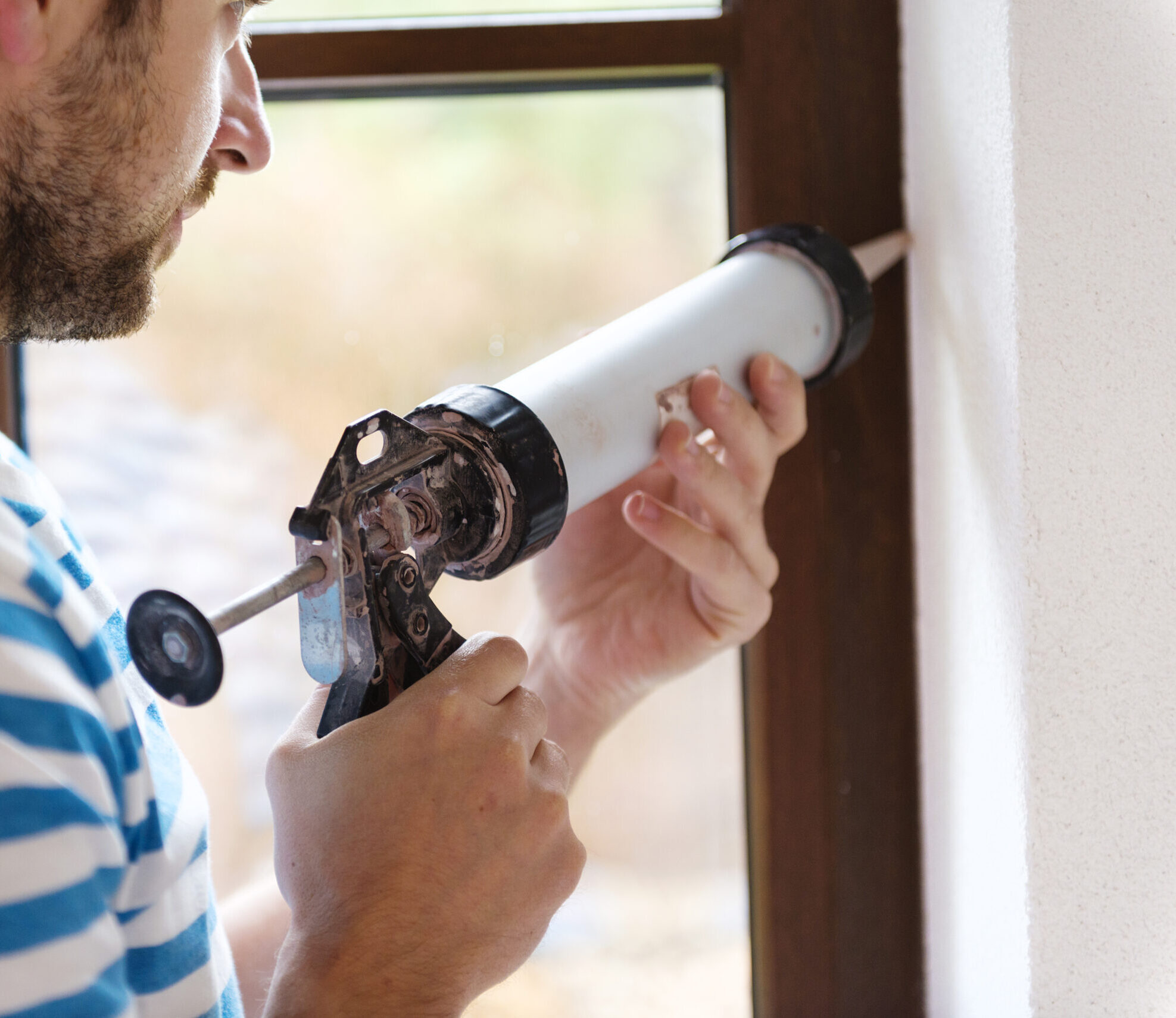
Seal leaks and gaps to stop energy loss, lower bills, and make your home more comfortable year-round.
READ MORE
Airflow Check
Ensure balanced, efficient airflow throughout your home to improve comfort, air quality, and HVAC performance.
READ MORE
UV Light Installation
Protect your home’s air with UV lights that reduce bacteria, mold, and allergens in your duct system.
READ MORE
People Also Ask
The cost of air duct sealing typically ranges from $500 to $2,000 for a standard residential system, with a national average around $1,000. The final price depends on several factors, including the size and accessibility of the ductwork, the sealing method used (such as aerosol-based sealants or manual mastic), and your geographic location. Leakier systems in larger homes will naturally cost more to address. This investment is generally worthwhile, as properly sealed ducts can improve HVAC efficiency by up to 20%, leading to significant long-term savings on energy bills and enhanced home comfort. For an accurate quote, it's best to schedule a professional duct assessment.
Duct sealing is generally worth the cost for most homeowners. Leaky ductwork in attics, crawlspaces, or basements can waste 20-30% of the conditioned air from your HVAC system, forcing it to work harder and increasing energy bills. Professional sealing addresses these leaks, improving system efficiency, enhancing indoor air quality by preventing dust and allergen infiltration, and providing more consistent temperatures throughout the home. The upfront investment for a professional assessment and sealing service typically pays for itself within a few years through energy savings. It also reduces strain on your HVAC equipment, potentially extending its lifespan. For optimal results, this work should be performed by certified technicians using appropriate mastics and sealants.
The cost to seal a vent typically ranges from $150 to $500 per vent, with an average around $250. This price includes labor and materials for a professional job. Factors influencing cost are the vent type (e.g., attic, dryer, or HVAC register), its accessibility, and the sealing method used, such as mastic sealant or metal tape. Proper sealing is crucial for energy efficiency, preventing conditioned air loss and blocking pests or moisture. For an accurate estimate, a professional assessment is recommended to identify specific leaks and determine the best, most durable sealing solution for your home's system.
Aeroseal duct sealing is a valuable technology, but it has several potential drawbacks. The primary con is its cost, which is typically higher than traditional manual sealing methods, though it can be offset by long-term energy savings. It is also a specialized process requiring certified technicians and proprietary equipment, limiting DIY options. The sealant, while non-toxic when cured, is a chemical aerosol, which may be a concern for some homeowners during application. Crucially, Aeroseal only seals leaks from the inside and cannot address issues like poorly designed ductwork, crushed sections, or inadequate insulation. It is most effective as part of a comprehensive HVAC assessment and should not be seen as a cure-all for systemic airflow problems.