
Years of
Experience
 Airwayz
 Airwayz
Why Choose Airwayz in The Villages?
Personalized Project Management
You receive direct, dedicated support throughout the entire air sealing process.
Clear Timelines
We finish every project on schedule, keeping you informed every step of the way.
Licensed Professionals
Certified and highly trained professionals ensure all sealing work is safe and effective.
Local Experience
We understand The Villages’ unique climate, air quality, and energy-efficiency needs, allowing us to tailor every solution perfectly.
Testimonials
Our Clients Feedback
Olivia .C
Ethan .B
Sophia .N
Our Services
Complete Indoor Air & Comfort Solutions
Everything your home or business needs for cleaner air, better efficiency, and year-round comfort.

Air Filtration Solutions
Breathe easier with deep-cleaned ducts that reduce allergens and improve airflow throughout your entire home.
READ MOREAir Duct Repair
Fix damaged ductwork to restore proper air circulation and increase your HVAC system’s efficiency and comfort.
READ MORE

Air Duct Cleaning
Remove accumulated dust, allergens, and debris to improve indoor air quality and boost your HVAC system’s efficiency.
READ MOREAir Duct Replacement
Upgrade old or damaged ducts for better air quality, lower energy bills, and consistent indoor temperatures.
READ MORE
AC Installation
Stay cool with modern AC systems designed for high efficiency, energy savings, and long-term home comfort.
READ MORE
Dryer Vent Cleaning
Remove lint buildup and improve airflow to reduce fire risk and extend your dryer’s performance and life.
READ MORE
Dryer Vent Replacement
Replace unsafe or outdated vents for a safer, more efficient dryer and improved indoor air quality.
READ MORE
Dryer Vent Installation
Get professional dryer vent installation that ensures proper airflow, safety, and long-term system efficiency.
READ MORE
Blow-In Insulation
Enhance home comfort and energy savings with high-performance insulation installed quickly and mess-free in your attic.
READ MORE
Insulation Removal
Safely remove old or damaged insulation to eliminate allergens, pests, and moisture before upgrading your space.
READ MORE
Air Sealing
Seal leaks and gaps to stop energy loss, lower bills, and make your home more comfortable year-round.
READ MORE
Airflow Check
Ensure balanced, efficient airflow throughout your home to improve comfort, air quality, and HVAC performance.
READ MORE
UV Light Installation
Protect your home’s air with UV lights that reduce bacteria, mold, and allergens in your duct system.
READ MORE
Related Articles
People Also Ask
Sealing ductwork is a highly worthwhile investment for both energy efficiency and indoor air quality. Leaky ducts in attics, crawlspaces, or walls can lose up to 30% of conditioned air, forcing your HVAC system to work harder and increasing utility bills. Proper sealing with mastic or metal-backed tape prevents this loss, ensuring heated or cooled air reaches its intended destination. This also improves comfort by eliminating hot or cold spots and prevents dust, allergens, and pollutants from being drawn into the system from unconditioned spaces. For a comprehensive approach to home sealing and system health, we recommend reviewing our internal article, Get Your Home “Hurricane Ready” From The Inside Out: Clean Ducts For A Sealed-Up Home. A professional assessment can identify leaks and ensure the job is done to industry standards.
The longevity of air sealing depends heavily on the materials used and the quality of the installation. For professional-grade caulks and sealants applied to stable surfaces, you can expect a lifespan of 10 to 20 years. More extensive measures like spray foam insulation or properly installed house wrap can last for the life of the building if they are not physically damaged. It's important to note that all homes settle and materials can degrade, so a periodic inspection of key areas like around windows, doors, and penetrations is recommended as part of routine maintenance. For a deeper dive into the methods and benefits, refer to our internal article Air Sealing.
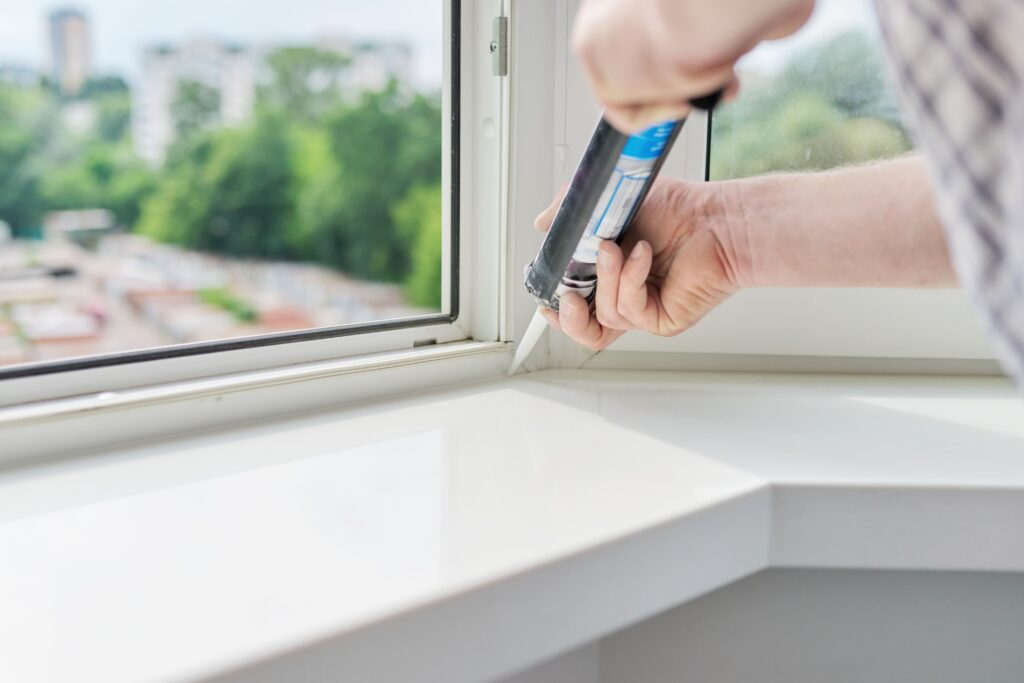
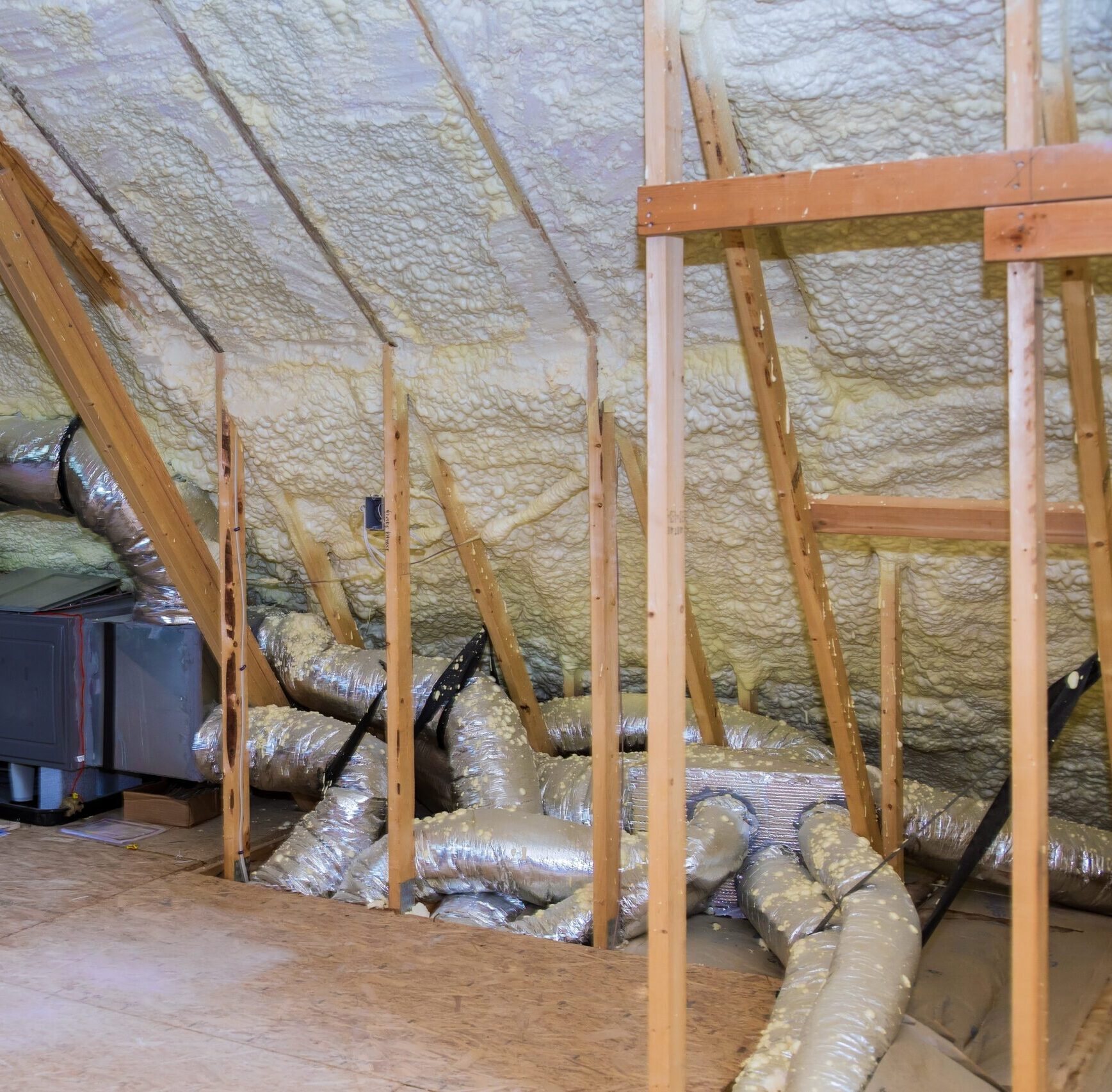
Properly sealing air gaps is a critical step in improving home energy efficiency and comfort. The process begins with a thorough inspection to locate leaks, commonly found around windows, doors, electrical outlets, and where plumbing or ductwork penetrates walls. For small cracks and gaps, high-quality caulk is the standard solution. For larger openings around pipes or wires, expanding spray foam is typically used. Weatherstripping is the recommended method for sealing movable components like doors and operable windows. A comprehensive guide to techniques and materials can be found in our internal article, Air Sealing. This proactive air sealing prevents conditioned air loss, reduces utility bills, and enhances indoor air quality by limiting pollutant infiltration.
Proper air sealing is one of the most cost-effective energy upgrades for a home. By sealing leaks around windows, doors, ductwork, and other penetrations, homeowners can typically reduce their heating and cooling energy use by 10% to 20%. In some older, drafty homes, the savings can be even higher. This directly translates to lower utility bills and improved comfort by eliminating drafts and preventing conditioned air from escaping. The exact savings depend on the home's age, climate, and the extent of the leaks. For a comprehensive guide on the process and benefits, we recommend reading our internal article, Air Sealing. A professional assessment is the best way to determine your home's specific potential for savings.