
Years of
Experience
 Airwayz
 Airwayz
Why Choose Airwayz in Orlando?
Personalized Project Management
You’ll receive direct support from our team throughout the entire process.
Clear Timelines
We complete every project on schedule while keeping you informed at every stage.
Licensed Professionals
Certified experts ensure your insulation is installed safely and performs efficiently.
Local Experience
We understand Orlando’s unique climate and energy needs, tailoring every solution to fit your home.
Testimonials
Our Clients Feedback
Olivia .C
Ethan .B
Sophia .N
Our Services
Complete Indoor Air & Comfort Solutions
Everything your home or business needs for cleaner air, better efficiency, and year-round comfort.

Air Filtration Solutions
Breathe easier with deep-cleaned ducts that reduce allergens and improve airflow throughout your entire home.
READ MOREAir Duct Repair
Fix damaged ductwork to restore proper air circulation and increase your HVAC system’s efficiency and comfort.
READ MORE

Air Duct Cleaning
Remove accumulated dust, allergens, and debris to improve indoor air quality and boost your HVAC system’s efficiency.
READ MOREAir Duct Replacement
Upgrade old or damaged ducts for better air quality, lower energy bills, and consistent indoor temperatures.
READ MORE
AC Installation
Stay cool with modern AC systems designed for high efficiency, energy savings, and long-term home comfort.
READ MORE
Dryer Vent Cleaning
Remove lint buildup and improve airflow to reduce fire risk and extend your dryer’s performance and life.
READ MORE
Dryer Vent Replacement
Replace unsafe or outdated vents for a safer, more efficient dryer and improved indoor air quality.
READ MORE
Dryer Vent Installation
Get professional dryer vent installation that ensures proper airflow, safety, and long-term system efficiency.
READ MORE
Blow-In Insulation
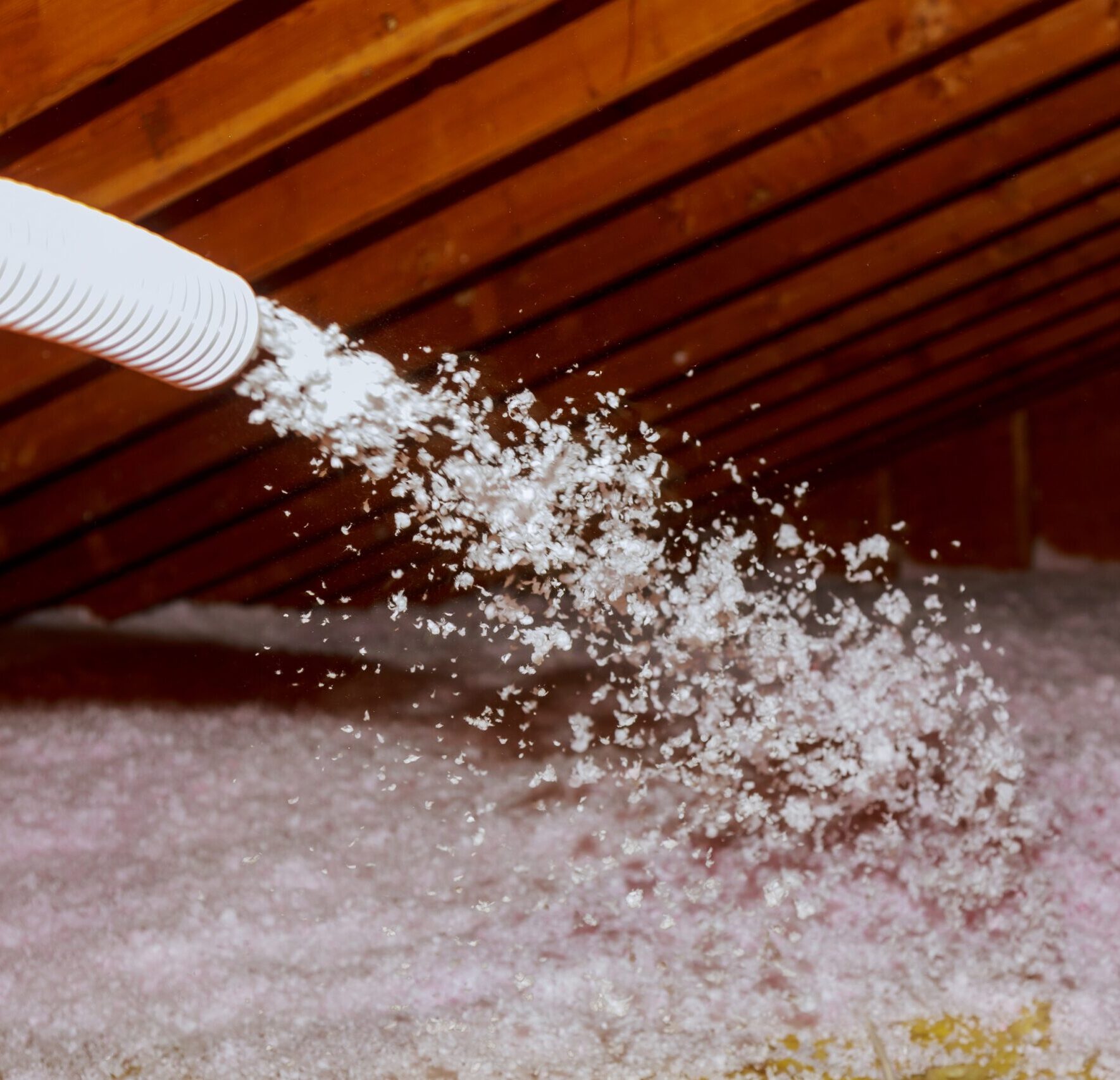
Enhance home comfort and energy savings with high-performance insulation installed quickly and mess-free in your attic.
READ MORE
Insulation Removal
Safely remove old or damaged insulation to eliminate allergens, pests, and moisture before upgrading your space.
READ MORE
Air Sealing
Seal leaks and gaps to stop energy loss, lower bills, and make your home more comfortable year-round.
READ MORE
Airflow Check
Ensure balanced, efficient airflow throughout your home to improve comfort, air quality, and HVAC performance.
READ MORE
UV Light Installation
Protect your home’s air with UV lights that reduce bacteria, mold, and allergens in your duct system.
READ MORE
Related Articles
People Also Ask
The cost of blown-in insulation varies significantly based on factors like material type, project size, and your geographic location. On average, homeowners can expect to pay between $1 and $2.50 per square foot for professional installation. This translates to a typical range of $1,500 to $3,500 for a standard attic. Key cost drivers include the chosen material—fiberglass is generally the most affordable, while cellulose or mineral wool may cost more—and the desired R-value. For a detailed breakdown of material types, benefits, and installation considerations, we recommend reading our internal article, Blow-In Insulation. Always obtain multiple quotes from qualified contractors for the most accurate pricing.
While blown-in insulation is effective and versatile, it has several potential downsides. Over time, it can settle, especially cellulose, reducing its R-value and creating uninsulated gaps in walls or attics. It offers no structural support and can be disturbed by pests or wiring work. In attics, it can obscure critical components like wiring junctions or recessed lighting, creating a fire hazard if not properly baffled. The installation process is messy, generating significant dust, and requires specialized equipment typically operated by professionals. Moisture infiltration is a serious concern; wet insulation loses effectiveness, promotes mold, and is very difficult to dry out or remove completely.
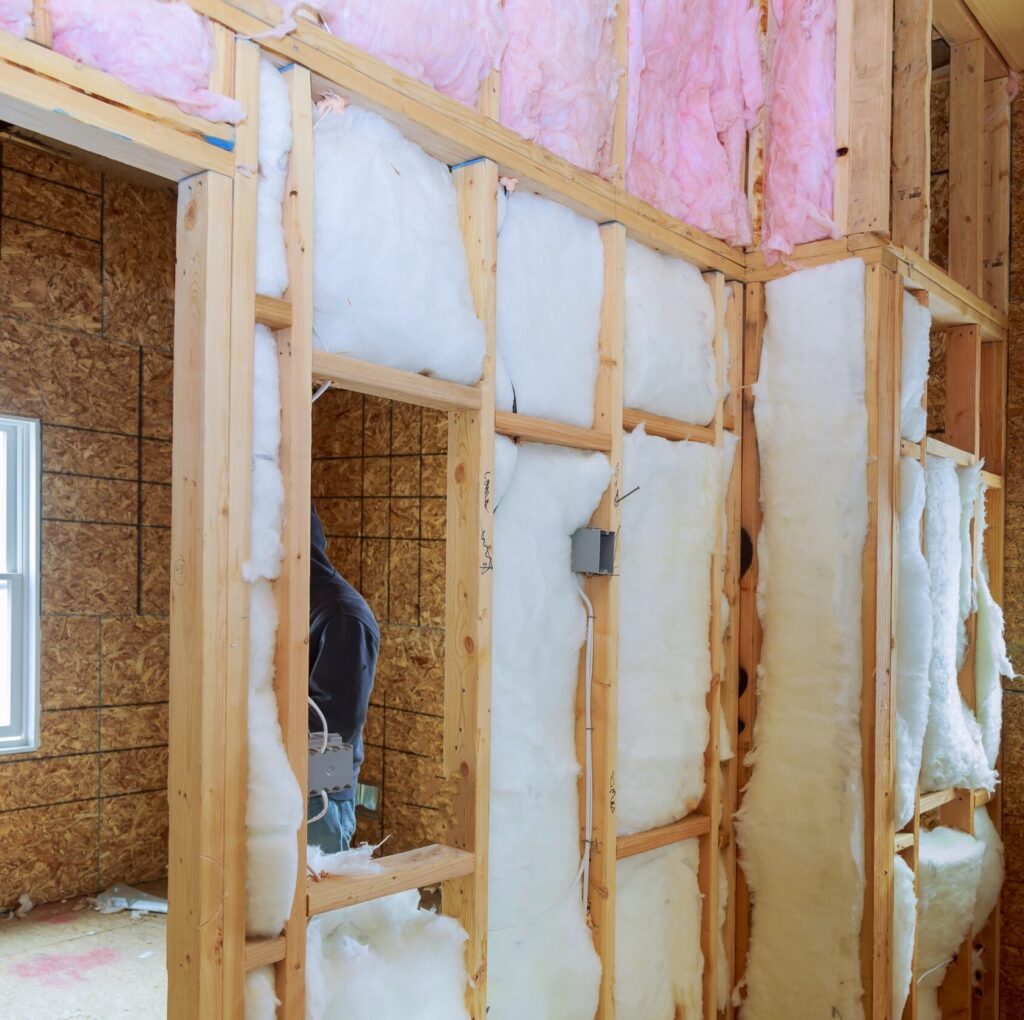
The cost to insulate a 2000 sq ft home varies widely based on the insulation type, R-value, and whether it's a new build or retrofit. For batt insulation (like fiberglass), you might expect a range of $1,500 to $3,000. For blown-in insulation (like cellulose or fiberglass), costs typically range from $2,000 to $4,500. Spray foam, the most expensive option, can cost between $3,500 and $7,500 or more for the same area. These are material and installation estimates. Key factors affecting price include your geographic location, the accessibility of the spaces (attic, walls), and the desired R-value for energy efficiency. Always get multiple quotes from certified professionals for an accurate assessment.
Blown-in insulation, particularly cellulose or fiberglass, is a durable solution for Florida homes. In the state's hot and humid climate, its lifespan is primarily influenced by proper installation, material quality, and protection from moisture. When installed correctly in a sealed attic space, it can last 20 to 30 years or more. However, settling over time can reduce its R-value, and any moisture intrusion from roof leaks or high humidity can lead to compaction and mold, necessitating earlier replacement. For optimal performance, regular attic inspections are crucial. For a detailed look at local applications, see our resource on Blow-In Insulation in Ocala, FL.
Koala Insulation is a well-regarded franchise known for providing professional insulation services, including spray foam, blown-in cellulose, and fiberglass batts. In the Orlando market, they compete with other established local providers by emphasizing energy efficiency, indoor air quality improvements, and professional installation. For homeowners considering insulation upgrades, it's crucial to get multiple quotes and verify a contractor's licensing, insurance, and experience with Florida's specific climate challenges, such as high humidity. A thorough assessment of your attic, walls, and crawl spaces is the first step toward reducing energy bills. For a deeper look at one effective method for local homes, you can read our detailed resource Blow-In Insulation in Orlando, FL.
Proper home insulation in Orlando is critical due to the region's intense heat and humidity. The primary goal is to create a thermal barrier that keeps conditioned air inside, reducing strain on your HVAC system and lowering energy bills. Key areas to address include the attic, where radiant heat gain is significant, and walls, where moisture control is vital. Using materials with appropriate R-values and vapor retarders is essential. For existing homes, blown-in insulation is often the most effective retrofit solution, as it can fill cavities and gaps thoroughly. For a detailed look at this specific method, we recommend our internal article, Blow-In Insulation in Orlando, FL. A professional assessment is always advised to determine the optimal insulation strategy for your specific home.