
Years of
Experience
 Airwayz
 Airwayz
Why Choose Airwayz in Palm Coast?
Personalized Project Management
Our dedicated team supports you through every step of your insulation project.
Clear Timelines
We finish each project on schedule while maintaining open communication.
Licensed Professionals
Certified experts ensure every installation meets high safety and quality standards.
Local Experience
We understand Palm Coast’s coastal climate and energy demands, tailoring solutions for maximum efficiency.
Testimonials
Our Clients Feedback
Olivia .C
Ethan .B
Sophia .N
Our Services
Complete Indoor Air & Comfort Solutions
Everything your home or business needs for cleaner air, better efficiency, and year-round comfort.

Air Filtration Solutions
Breathe easier with deep-cleaned ducts that reduce allergens and improve airflow throughout your entire home.
READ MOREAir Duct Repair
Fix damaged ductwork to restore proper air circulation and increase your HVAC system’s efficiency and comfort.
READ MORE

Air Duct Cleaning
Remove accumulated dust, allergens, and debris to improve indoor air quality and boost your HVAC system’s efficiency.
READ MOREAir Duct Replacement
Upgrade old or damaged ducts for better air quality, lower energy bills, and consistent indoor temperatures.
READ MORE
AC Installation
Stay cool with modern AC systems designed for high efficiency, energy savings, and long-term home comfort.
READ MORE
Dryer Vent Cleaning
Remove lint buildup and improve airflow to reduce fire risk and extend your dryer’s performance and life.
READ MORE
Dryer Vent Replacement
Replace unsafe or outdated vents for a safer, more efficient dryer and improved indoor air quality.
READ MORE
Dryer Vent Installation
Get professional dryer vent installation that ensures proper airflow, safety, and long-term system efficiency.
READ MORE
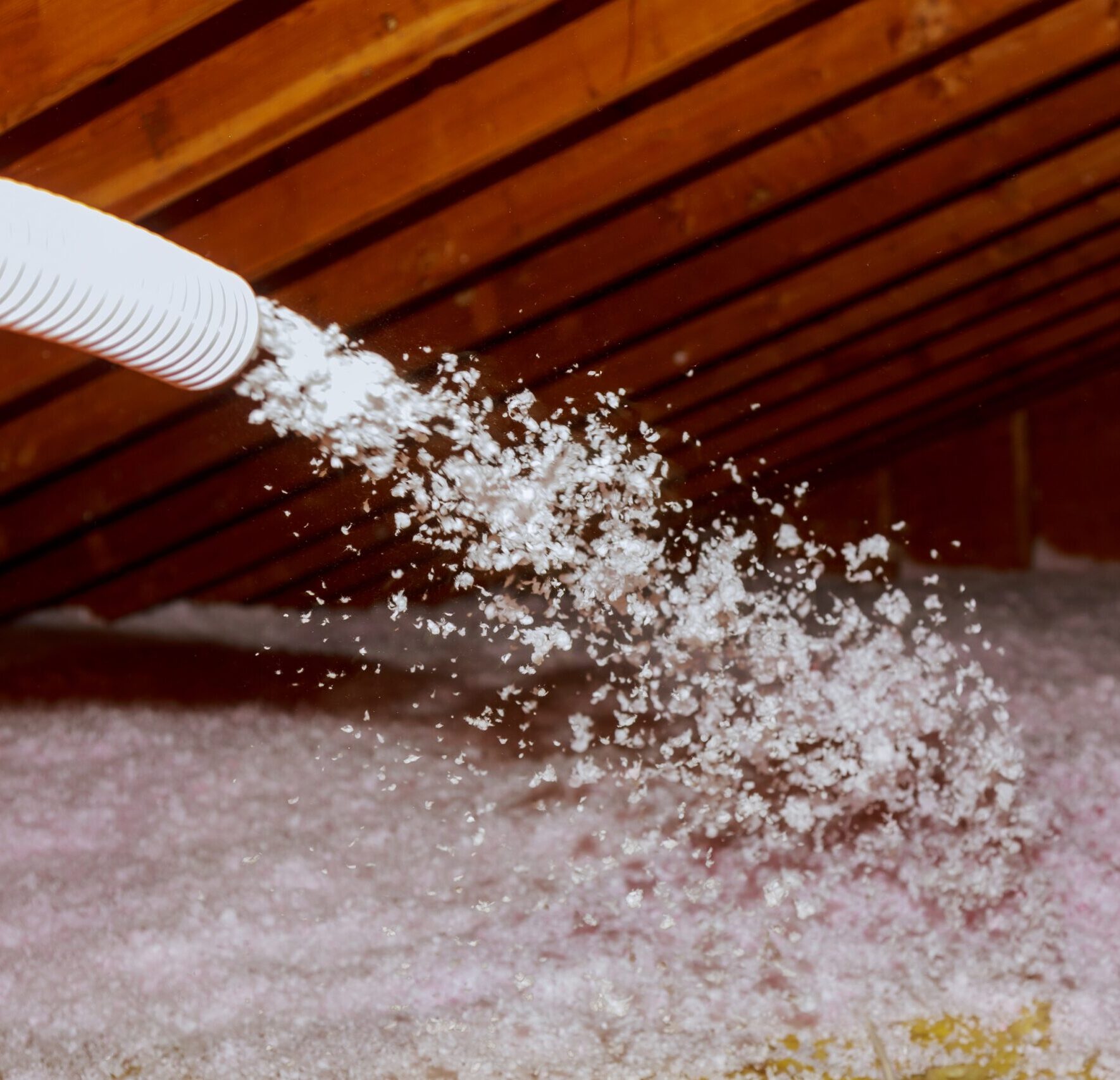
Blow-In Insulation
Enhance home comfort and energy savings with high-performance insulation installed quickly and mess-free in your attic.
READ MORE
Insulation Removal
Safely remove old or damaged insulation to eliminate allergens, pests, and moisture before upgrading your space.
READ MORE
Air Sealing
Seal leaks and gaps to stop energy loss, lower bills, and make your home more comfortable year-round.
READ MORE
Airflow Check
Ensure balanced, efficient airflow throughout your home to improve comfort, air quality, and HVAC performance.
READ MORE
UV Light Installation
Protect your home’s air with UV lights that reduce bacteria, mold, and allergens in your duct system.
READ MORE
People Also Ask
The cost to insulate a 2000 sq ft area varies widely based on the type of insulation, labor, and location. For a standard attic or walls using blown-in fiberglass or cellulose, you might expect a range of $1,500 to $3,500. For higher-performance materials like spray foam, costs can rise significantly to between $3,000 and $7,000 or more. These estimates include both materials and professional installation. Key factors affecting price include the insulation's R-value (thermal resistance), the accessibility of the area, and regional labor rates. It is crucial to get multiple quotes from licensed contractors who can assess your specific home and recommend the most cost-effective solution for energy efficiency and comfort.
While blown-in insulation is an effective and popular method for improving energy efficiency, it does have some potential downsides. Over time, it can settle, especially in attics, which reduces its R-value and thermal performance, creating gaps and requiring top-ups. It is also susceptible to moisture absorption, which can lead to mold, mildew, and a loss of insulating properties if not properly managed. The installation process can be messy, generating significant dust, and it requires specialized equipment. In wall cavities, it can be difficult to verify complete and even coverage without invasive inspection. For these reasons, professional assessment and installation are crucial to mitigate these risks and ensure long-term effectiveness.
To determine how many bags of blown-in insulation you need for 1,000 square feet, you must first know the desired R-value and the type of insulation material. For example, cellulose insulation typically covers about 40 square feet per bag to achieve an R-value of R-13 in a standard attic. Fiberglass blown-in insulation covers roughly 30-35 square feet per bag for the same R-value. Therefore, for 1,000 sq ft at R-13, you would need approximately 25-30 bags of cellulose or 30-35 bags of fiberglass. However, coverage varies significantly based on the depth and density required. Always check the manufacturer's coverage chart on the bag for the specific product, as achieving higher R-values like R-38 or R-49 will require substantially more material. It is highly recommended to consult with a professional installer for an accurate calculation and to ensure proper installation for maximum energy efficiency.
For attics in Florida, the best insulation prioritizes high R-value and effective air sealing to combat intense heat and humidity. Blown-in fiberglass or cellulose are excellent choices for existing attics, as they fill cavities and gaps thoroughly, improving thermal performance. A radiant barrier installed under the roof decking is also highly recommended to reflect solar radiant heat, which is a primary heat gain source. The key is a comprehensive approach: sealing all air leaks first, then adding sufficient insulation depth to meet or exceed the recommended R-38 to R-60 for our climate. For a detailed look at a popular and effective method, see our internal article Blow-In Insulation in Ocala, FL. Proper installation by professionals ensures maximum energy savings and moisture control.