
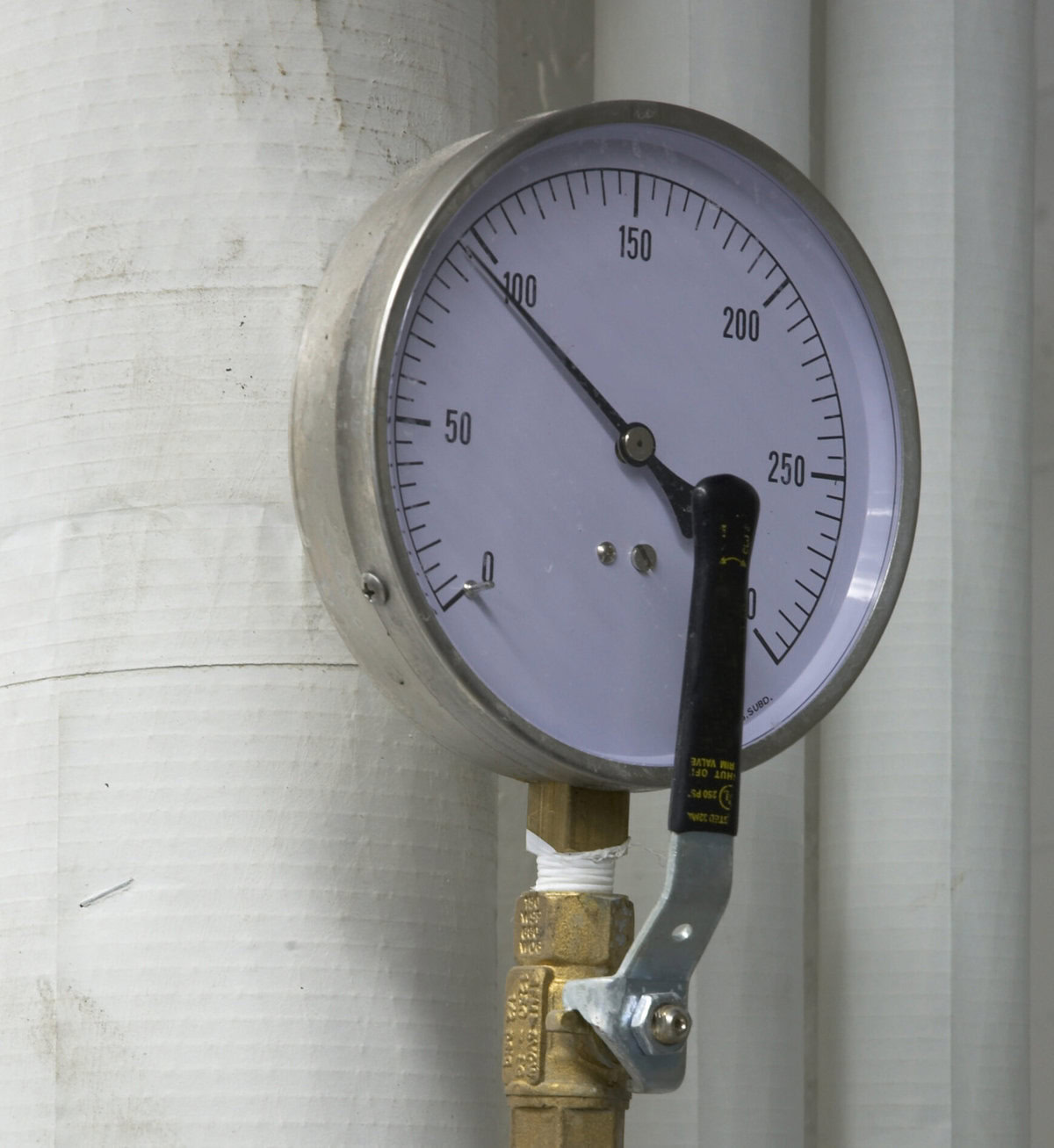
Boosting Your Home’s Air Quality Index
Key Takeaways: Improving your home’s air quality isn’t just about buying a fancy filter. It’s a system-wide approach that starts with controlling sources, ensuring proper ventilation, and maintaining your HVAC. In our humid Florida climate, managing moisture is half the battle.
Let’s be honest, most of us don’t think about the air in our homes until something goes wrong—a musty smell in the laundry room, a sudden spike in allergy symptoms, or that persistent layer of dust on the TV stand. We get it. For years, we’ve walked into homes where the concern isn’t abstract; it’s a sneeze, a headache, or a worry about a child’s asthma. The goal isn’t to achieve laboratory-perfect air. It’s to create a living environment that feels fresh, clean, and doesn’t make you feel worse for being inside.
What is a Home Air Quality Index (AQI), Really?
Think of your home’s AQI less like the EPA’s outdoor score and more like a personal dashboard. There’s no single number, but a combination of factors you can monitor and influence: particulate matter (dust, dander), volatile organic compounds (VOCs from cleaners, paints), carbon dioxide (from us just breathing), humidity, and biological contaminants (mold, bacteria). The “index” is how all these elements add up to how your home feels and how it affects your health.
The Source Control Principle: Stop the Problem Before It Starts
This is the most overlooked step. You can’t filter your way out of a self-created problem. We see it all the time: a homeowner invests in a top-tier air purifier but uses heavy chemical cleaners, stores paints and solvents in the garage (which is attached to the house), and has carpets that haven’t been deep-cleaned in years. Start here:
- Mind Your VOCs: Opt for low-VOC paints and cleaning products. That “clean” smell from some sprays is often a cloud of chemicals.
- Manage Moisture at the Source: In Palm Coast, with our afternoon thunderstorms and high humidity, a dehumidifier in key areas (like the garage or a closed-off Florida room) isn’t a luxury. It stops mold before it has a chance to become an air quality issue.
- Go Shoeless: It’s a simple one, but tracking in pollen, dirt, and lawn chemicals is a major source of indoor particulates.
Your HVAC System: The Lungs of Your Home
If source control is prevention, your HVAC system is the core circulatory system. A neglected system doesn’t just run inefficiently; it actively degrades your air.
- Filter Change is Non-Negotiable: Use a decent pleated filter (MERV 8-11 is the sweet spot for most homes) and change it like clockwork every 90 days. In peak summer or if you have pets, make it 60. We’ve pulled out filters so clogged they were bending in the middle—the system was starving for air.
- Ductwork is the Hidden Highway: Sealed, insulated ducts in the attic matter immensely. Leaky ducts pull in hot, humid, dusty attic air and distribute it throughout your rooms. It’s like adding a constant stream of contaminants. One of the most impactful services we provide at Airwayz Air Duct Services is a thorough inspection and sealing of ductwork; it’s common to find disconnected sections in older Palm Coast homes near the preserves, where wildlife can sometimes be an issue.
- The Professional Cleaning Question: You don’t need it every year. But if you’ve had renovations, visible mold growth, a significant pest infestation, or it’s simply been 5-7 years, a professional duct cleaning can remove a significant reservoir of dust and allergens. Just be wary of the $99 whole-house specials—a proper job takes time and specialized equipment.
Ventilation & Humidity: The Balancing Act
Modern homes are tight, which is great for energy bills but terrible for stale air. You need to intentionally bring fresh air in.
- Run Your Bathroom Fans: And not just for 5 minutes after a shower. Let them run for 20-30 minutes to fully evacuate the moisture. Ensure they vent outside, not into your attic (a shockingly common find).
- Use the Kitchen Exhaust: Always turn it on when cooking, especially on the stovetop. Burning food and gas byproducts are direct pollutants.
- Targeted Air Purifiers: A whole-house system is great, but a standalone HEPA purifier in the bedroom is a powerful, cost-effective move. It runs quietly where you spend a third of your life. Don’t get bogged down in specs; just ensure it’s sized for the room.
When to Call a Pro: Beyond the DIY Basics
You can handle filters, humidity monitors, and mindful habits. But some issues scream for professional diagnostics. If you have consistent musty odors, visible mold growth (not just a little spot on the shower grout), or worsening allergy symptoms indoors, it’s time. A professional can perform tests, use borescopes to look inside ductwork and wall cavities, and identify systemic issues like a leaking AC drain pan or negative air pressure pulling contaminants from the attic or crawlspace. Trying to solve a hidden mold problem with a store-bought spray is like using a band-aid on a broken pipe.
The Tool & Strategy Matrix: What to Use and When
This isn’t about good vs. bad, but about using the right tool for the job. Here’s a practical breakdown based on what we’ve seen work.
| Tool/Strategy | Best For Addressing | Practical Considerations & Trade-Offs |
|---|---|---|
| MERV 8-11 HVAC Filter | General dust, pollen, pet dander. Your first line of defense. | Higher MERV (13+) can restrict airflow on older systems. Change regularly is more important than max rating. |
| Standalone HEPA Air Purifier | Allergies, asthma, creating a “clean zone” (e.g., bedroom). | Must be sized for the room. Creates noise on higher settings. Replacing filters gets expensive. |
| Dehumidifier | Our Florida specialty. Stopping mold growth, musty smells, dust mites. | Needs regular emptying/ draining. Adds heat to the room. A whole-house unit tied to HVAC is ideal but a bigger investment. |
| Bathroom/Kitchen Exhaust | Removing moisture, cooking fumes, and VOCs at the source. | Must be ducted outside. Often underpowered. Simple to upgrade. |
| Professional Duct Sealing | Improving efficiency and stopping attic air contamination. | Requires a pro with proper sealants. Not a DIY job. One-time cost with long-term benefits for both air quality and bills. |
| House Plants | A mild psychological boost and minor VOC absorption. | Don’t rely on them. Overwatering can increase mold in soil. Their effect is negligible compared to other methods. |
The Local Reality: Why Palm Coast Presents a Unique Challenge
Our climate is the defining factor. That beautiful intracoastal humidity is a relentless driver of mold and dust mites. Homes near the wooded preserves or the Matanzas River can see more pollen and organic debris. Furthermore, the building boom here means we see everything from older, leakier homes in established areas to new, tightly-sealed builds. The solution isn’t one-size-fits-all. An older home in the “P” Section might need duct sealing and a robust dehumidification strategy, while a new build in Grand Haven might just need better ventilation to avoid a “stale but sealed” feeling.
Wrapping Up: A Clearer Path to Cleaner Air
Improving your home’s air quality is a marathon, not a sprint. It starts with changing a few habits—being ruthless about moisture, changing that filter, and using your exhaust fans. Monitor your environment with a simple humidity gauge. Then, invest in targeted solutions: a bedroom air purifier, a garage dehumidifier. Finally, know the signs that call for a professional eye, like the team at Airwayz, to look at the hidden systems—the ducts, the drain lines, the airflow balance. The goal isn’t perfection. It’s a home that breathes easy, so you can too.