
Maintenance Tasks Can I Do Myself To Keep My Air Conditioner
Alright friends, let’s have a real talk about our air conditioners. That glorious metal box that saves us from transforming into puddles during a Jacksonville summer deserves a little love, right? We all know the panic when it starts making a weird noise or blowing warm air, and our first thought is, “How much is this repair going to cost me?”
Well, take a deep breath. There are quite a few simple maintenance tasks we can absolutely handle ourselves to keep our AC units humming along happily and efficiently. Think of it as giving your system a regular check-up to avoid a trip to the emergency room. And for the big stuff? Well, that’s what we’re here for at Airwayz Air Duct and Insulation.
Getting to Know Your AC System (It’s Not Rocket Science)
Before we start poking around, let’s get familiar with the two main parts of your cooling system.
The Indoor Unit: This guy usually lives in your garage, attic, or a closet. It contains the evaporator coil and the blower fan. Its job is to suck in warm house air, cool it over the cold evaporator coils, and then blow that lovely chilled air back through your ducts.
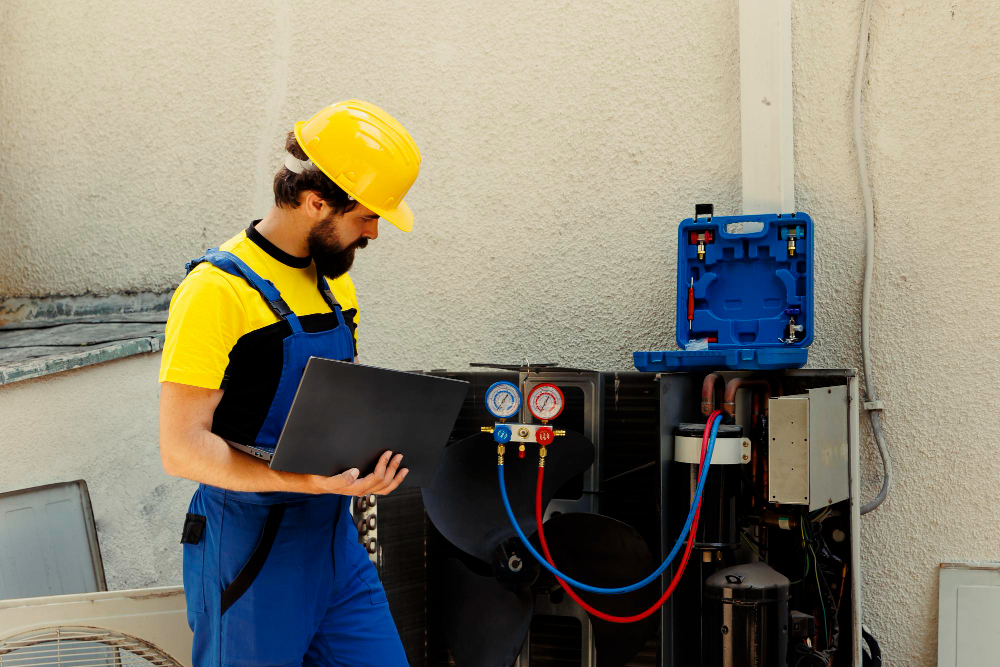
The Outdoor Unit (The Condenser): This is the big metal box outside with a fan on top. It’s responsible for releasing the heat that your indoor unit just pulled from your house. It works hard, especially with our humidity, so it needs clear space to breathe.
Understanding this simple cycle helps us see why certain maintenance tasks are so important. Ready to get our hands a little dirty?
Your Simple DIY Spring & Summer Maintenance Checklist
These are the tasks we can confidently tackle a few times a year, especially before the brutal heat kicks in.
Safety First, Always!
This isn’t just a boring disclaimer. This is the most important step. Always, always, ALWAYS turn off the power to your AC unit before you do anything. Go to your main electrical panel and flip the breakers for both the indoor air handler and the outdoor condenser. A little caution prevents a very bad day. Trust us on this one.
The Outdoor Unit TLC
This unit is all about airflow. Anything restricting it makes your system work harder, which kills efficiency and runs up your power bill.
Show Your Condenser Some Love
Your outdoor condenser unit is the real MVP, sitting out in the elements and taking a beating. Here’s how we can help it out.
The Great Debris Clean-Out
Over fall and winter, it’s a magnet for leaves, pine needles (hello, Florida landscaping), and general yard gunk. This stuff clogs the fins and makes the fan work overtime.
- Step 1: With the power OFF, gently remove any large debris from around and inside the unit by hand.
- Step 2: Use a garden hose with a gentle spray setting to wash the fins from the inside out. Why inside out? You’re pushing the clogging debris out, not further in. Avoid high-pressure nozzles, as they can easily bend the delicate fins.
Clear the Vibe (Space, That Is)
Your condenser needs room to breathe. We recommend at least two feet of clear space on all sides and above the unit. Go outside right now and look. Are bushes creeping in? Did the kids leave bikes and toys piled around it? Give it some breathing room. A congested unit can’t reject heat properly, and that directly impacts its cooling power and lifespan.
The Indoor Unit Attention
While the outdoor unit is more heavy-duty, the indoor unit requires a gentler touch.
Indoor Air Handler Basics
This is where we can make a big difference in air quality and efficiency with minimal effort.
The Humble Air Filter: Your First Line of Defense
This is, hands down, the single most important thing we can do regularly. A dirty filter is like making your AC run a marathon while breathing through a straw. It restricts airflow, strains the blower motor, and lets dust gunk up your evaporator coil.
- Find it: Your filter is located either in the return air grille on your wall/ceiling or in a slot on the air handler unit itself.
- Change it: Check it every month. If it looks dirty, change it! During high-use seasons, you’ll likely be changing it every 1-3 months. This is one of the most affordable ways to protect your system.
Pro Tip: Make a note on your calendar. It’s so easy to forget until you hear the system start to struggle.
When to Call in the Pros (Like Us!)
Look, we’re all for DIY, but some things are best left to professionals with the right tools and expertise. Trying to do these yourself can void warranties or, worse, cause expensive damage.
Know Your Limits (And That’s Okay!)
Think of us like the personal trainers for your HVAC system. You handle the daily workouts (filter changes, clearing debris), and we handle the annual physical.
Here’s what you should definitely leave to the team at Airwayz Air Duct and Insulation:
- Annual Professional Tune-Up: This is non-negotiable for system health. We check refrigerant levels, electrical components, thermostat calibration, clean the delicate evaporator and condenser coils, and ensure everything is operating safely and at peak efficiency.
- Any Refrigerant Issues: If your system is low on refrigerant, it’s not a matter of just adding more. There’s a leak that needs to be found and repaired by a licensed technician.
- Electrical Work: Anything beyond changing a battery in your thermostat is a job for a pro. Messing with capacitors and contactors is dangerous.
And while we’re on the topic of pros, let’s talk about the hidden hero of your home’s efficiency: your ductwork.
The Hidden World of Your Ducts
You can do everything right with the AC unit itself, but if the delivery system—your ducts—are a mess, you’re still losing out. This is our specialty.
Why “AC Duct Cleaning” Isn’t Just a Buzzword
Over years, your ducts accumulate a shocking amount of dust, pollen, pet dander, and even mold. This isn’t just gross; it’s circulating throughout your entire house every time the AC kicks on. If you’re constantly dusting or someone in your home has allergies, this is likely a major culprit.
A professional air duct cleaning from a company like ours uses powerful truck-mounted vacuates and agitation tools to scour your entire system clean. It’s not something you can DIY with a shop-vac attachment, IMO. The difference in air quality and system efficiency is noticeable almost immediately.
And while we’re cleaning your ducts, it’s the perfect time to ask us about insulation. Poor or old insulation in your attic lets cool air escape, making your AC fight an uphill battle. Sealing and insulating your ducts and attic is a game-changer for comfort and cost savings.
Don’t Forget the Dryer Vent!
While we’re talking about vents, your dryer vent is a massive fire hazard if it gets clogged. Lint is extremely flammable. Adding a dryer vent cleaning to your whole house health checklist is a brilliant move. It’s another service we provide that makes your home safer and your dryer run more efficiently. FYI, it’s one of those things you never think about until it’s a problem.
Your AC Maintenance Schedule At-A-Glance
Here’s a quick reference table to keep you on track:
| Task | Frequency | DIY or Pro? | Why It Matters |
|---|---|---|---|
| Change Air Filter | Every 1-3 Months | DIY | Protects your system, improves airflow & air quality. |
| Clear Debris Around Outdoor Unit | Monthly (During Season) | DIY | Allows for proper airflow and heat dissipation. |
| Hose Down Outdoor Fins | Seasonally (Spring/Fall) | DIY | Removes built-up dirt and grime for better efficiency. |
| Check Thermostat Settings | Seasonally | DIY | Ensures your system isn’t working unnecessarily. |
| Professional AC Tune-Up | Annually | Pro | Crucial. Extends lifespan, ensures efficiency, catches small issues. |
| Air Duct Cleaning | Every 3-5 Years | Pro | Improves indoor air quality and system efficiency. |
| Dryer Vent Cleaning | Annually | Pro | Critical for preventing house fires. |
Your Top AC Maintenance Questions, Answered
Q1: How often should I really get a professional tune-up?
A: Once a year, ideally in the spring before you start relying on it daily. It’s the best affordable insurance policy for your system, helping you avoid costly repairs down the line.
Q2: I’m handy. Can I clean my own air ducts?
A: We don’t recommend it. Effective air vent cleaning requires specialized, powerful equipment to create negative pressure and properly agitate and remove debris throughout the whole house system. DIY attempts often just stir up dust without effectively removing it.
Q3: My energy bills are skyrocketing. What’s the first thing I should check?
A: Your air filter. It’s almost always the easiest and first thing to check. After that, ensure your outdoor unit is clear. If those are fine, it’s time to call for a professional diagnosis. It could be low refrigerant, a dirty coil, or even issues with your home’s insulation.
Q4: I live near Jacksonville/St. Augustine. How do I find a reliable HVAC company?
A: Well, we might be a little biased 🙂 But seriously, look for established, local companies with great reviews (like Airwayz Air Duct and Insulation). Avoid the door-to-door guys offering a deal that seems too good to be true. Ask your neighbors who they use! A simple search for “air duct cleaning services near me” or “ac duct cleaning” will bring up your nearest options, but always do a little homework on the company first.
Wrapping It Up: Be Proactive, Not Reactive
Taking care of your AC isn’t about complicated chores; it’s about building a few simple habits. Change that filter, keep the area around your outdoor unit clear, and don’t skip that annual professional tune-up.
Think of us here at Airwayz Air Duct and Insulation as your partners in home comfort. You handle the quick, easy stuff, and we’ll handle the rest. Whether you’re in Jacksonville, St. Augustine, or anywhere in between, if your system is making a funny noise, hasn’t been looked at in over a year, or you’re just curious about the state of your ducts, give us a call. Let’s keep your home cool, your air clean, and your wallet happy.
People Also Ask
Yes, you can perform some basic AC maintenance yourself to keep your system running efficiently. Key tasks include regularly replacing or cleaning the air filter every 1-3 months, ensuring outdoor condenser units are clear of leaves and debris, and gently cleaning accessible evaporator coils. You should also keep supply and return vents unobstructed. However, more complex procedures like checking refrigerant levels, testing electrical components, and deep cleaning internal parts require a licensed HVAC professional. Attempting these without proper training can be dangerous, void warranties, and lead to costly damage. For a deeper look at how maintenance impacts efficiency and costs, see our internal article Is Your HVAC System Working Harder Than It Should? You’re Throwing Money Away.
The $5000 AC rule is a general industry guideline for homeowners considering air conditioning replacement. It suggests that if the repair cost for an existing central AC unit is approaching $5,000, it is often more economical to invest in a new, high-efficiency system instead. This threshold accounts for the significant labor and parts involved in major repairs like a compressor or coil replacement. A new unit not only resolves the immediate issue but also provides improved energy efficiency, better reliability, and often enhanced comfort, offering a greater long-term value. This rule is a helpful benchmark, but a professional assessment of the system's age, overall condition, and your home's specific needs is always recommended for the final decision.
Regularly cleaning or replacing your air conditioner's air filter is a crucial maintenance task that significantly boosts efficiency. A clogged filter restricts airflow, forcing the system to work harder, which increases energy consumption and wear. For most homes, checking the filter monthly and replacing it every 1-3 months during peak cooling season is recommended. Additionally, ensure the outdoor condenser unit is clear of debris like leaves and grass clippings, and schedule an annual professional tune-up. A technician will check refrigerant levels, clean coils, and inspect electrical components, ensuring your system runs at peak performance, lowers utility bills, and extends the equipment's lifespan.
Recharging your AC system yourself is not recommended due to the complexity and risks involved. The cost for DIY refrigerant cans and a gauge hose kit typically ranges from $50 to $150. However, this approach often addresses only a symptom. A proper recharge requires a professional to first perform a leak detection and system evacuation, which are critical for safety and efficiency. Incorrect refrigerant type or overcharging can damage the compressor and is illegal under EPA Section 608 regulations if handled improperly. For reliable performance and warranty protection, hiring a licensed HVAC technician is strongly advised. They ensure the job meets all safety and environmental standards.
A comprehensive air conditioner maintenance checklist is essential for system longevity and efficiency. Homeowners should regularly replace or clean air filters every 1-3 months. Annually, inspect the outdoor condenser unit, clearing away debris like leaves and ensuring at least two feet of clearance for proper airflow. Check that the indoor and outdoor coils are clean. Verify that the condensate drain line is not clogged to prevent water damage. Listen for unusual noises during operation and ensure the thermostat is functioning correctly. For safety and optimal performance, schedule a professional HVAC technician for a detailed inspection at least once a year. They will check refrigerant levels, electrical connections, and the overall system, which can prevent costly repairs and maintain energy efficiency.
A regular air conditioner maintenance schedule is crucial for efficiency, longevity, and indoor air quality. For homeowners, a professional tune-up should be performed once a year, ideally in the spring before peak cooling season. This service includes cleaning coils, checking refrigerant levels, inspecting electrical components, and ensuring the condensate drain is clear. Additionally, replace or clean your system's air filter every 1-3 months during active use. For commercial HVAC systems, maintenance is more intensive, often requiring quarterly or semi-annual inspections by certified technicians to comply with safety standards and maintain warranty coverage. Consistent maintenance prevents costly breakdowns, reduces energy consumption by up to 15%, and ensures optimal performance.
Regular DIY air conditioner maintenance can improve efficiency and extend system life. Start by turning off power to the unit. Clean or replace the air filter every 1-3 months; a clogged filter restricts airflow and increases energy costs. Carefully clean the outdoor condenser unit's fins with a garden hose, removing debris like leaves and grass clippings. Ensure the area around the unit is clear for proper airflow. Inside, vacuum accessible duct registers to remove dust. Check the condensate drain line for clogs and flush it with a vinegar solution. While these tasks are helpful, professional annual maintenance is crucial for checking refrigerant levels, electrical components, and coil integrity, which are beyond safe DIY scope.