
Restoring Peace Of Mind And Clean Air To Your Home
Ever notice how your house just feels… off sometimes? Not dirty, exactly, but the air feels heavy, the dust bunnies are staging a coup, and your sinuses are staging a protest. We get it. We’ve been in enough homes in Palm Coast and St. Augustine to know the signs. Often, the culprit isn’t what you’re cleaning, but what you can’t see: the labyrinth of ducts and vents running through your walls. It’s the hidden highway of your home’s comfort, and if it’s clogged, everything suffers.
Think about it. That system circulates air five to seven times a day. Every. Single. Day. Now, imagine what’s traveling that loop with your conditioned air: pet dander, pollen, construction dust, mold spores, and, let’s be honest, the ghost of snacks past. It’s not a pretty picture. But here’s the good news: tackling this hidden world is one of the most impactful things you can do for your home’s health, your own health, and even your wallet. And that’s exactly the conversation we want to have today.
Your Ductwork: The Lungs of Your Home
We like to use this analogy because it’s so spot-on. Your HVAC system breathes for your house. The return vents inhale, the supply vents exhale. If the lungs are dirty, the whole body feels sluggish. You wouldn’t try to run a marathon while breathing through a straw, right? So why ask your AC unit to cool your whole house while fighting through an obstacle course of debris?
What’s Really Hiding in There?
- Allergens & Pollutants: The usual suspects we mentioned. They recirculate constantly, which is a nightmare for anyone with allergies or asthma.
- Dust & Debris: Construction dust never truly disappears; it just relocates to your ducts. Add in regular household dust and it’s a thick layer insulating your ducts from the inside (more on why that’s bad in a second).
- Microbial Growth: In our humid Florida climate, moisture in the ductwork can lead to mold or mildew. You might smell a musty odor when the AC kicks on—that’s a red flag.
- Pest Debris: Unfortunately, it happens. Insects and sometimes rodents find ducts to be very cozy highways.
The “Why Bother?”: Benefits That Hit Home
Okay, so it’s gross. But beyond the ick factor, what’s the real payoff? Let’s break it down.
Breathe Easier (Literally)
This is the big one. Removing that source of constant irritation can dramatically improve indoor air quality. You might notice fewer allergy symptoms, less morning congestion, and just a generally fresher smell. It’s not magic; it’s just removing the garbage.
Your Wallet Will Thank You
Here’s a little secret: dirt is an insulator. When grime coats the inside of your supply ducts, it acts like a blanket, trapping the cold air inside the duct instead of letting it flow freely into your rooms. Your system has to work longer and harder to reach the thermostat setting. We see it all the time—a thorough air duct cleaning service can help your system operate more efficiently. That means lower monthly energy bills. It’s an affordable service that starts paying you back.
Extend the Life of Your HVAC System
Less strain on the fan motor and components means fewer breakdowns and a longer lifespan for your entire system. Think of it as a cheap insurance policy for one of the most expensive appliances in your home. Replacing an AC unit is a major cost; maintaining its pathway is a smart move.
The Often-Forgotten Hero: The Dryer Vent
While we’re talking vents, let’s give a shout-out to the most dangerous one: your dryer vent. This isn’t about air quality; it’s about safety. Lint is extremely flammable. A clogged dryer vent forces your dryer to overheat, is a major fire hazard, and makes your dryer work terribly. It takes longer to dry clothes and hikes up your energy bill. We include it in our conversations because it’s that important. FYI, if you can’t remember the last time you had it cleaned, it’s probably time.
The Process: What Does a Professional Actually Do?
We hear a lot of myths. “It’s just a guy with a shop vac.” Let us tell you, if that’s what you get, you’re being short-changed. A proper cleaning is a systematic, whole-house approach.
Our Step-by-Step Game Plan:
- Inspection: We always start with a look. Using cameras if needed, we assess the level of contamination and identify any issues like leaks or disconnected ducts.
- Protection: We seal your registers and protect your home. We’re not here to create a bigger mess; we’re here to remove one.
- The Main Event: We use powerful, truck-mounted HEPA vacuum collection units. This is key. A small vacuum just can’t create the negative air pressure needed to pull debris from the entire system. We agitate the ducts with specialized tools to dislodge everything clinging to the sides, and the mega-vacuum sucks it all out to a sealed container outside your home.
- Cleaning Components: We clean the air handler, blower, coils, and drain pan—critical parts that get just as dirty.
- Final Walk-Through: We show you before-and-after evidence (it’s pretty satisfying) and make sure you’re happy.
Insulation: The Silent Partner in Efficiency
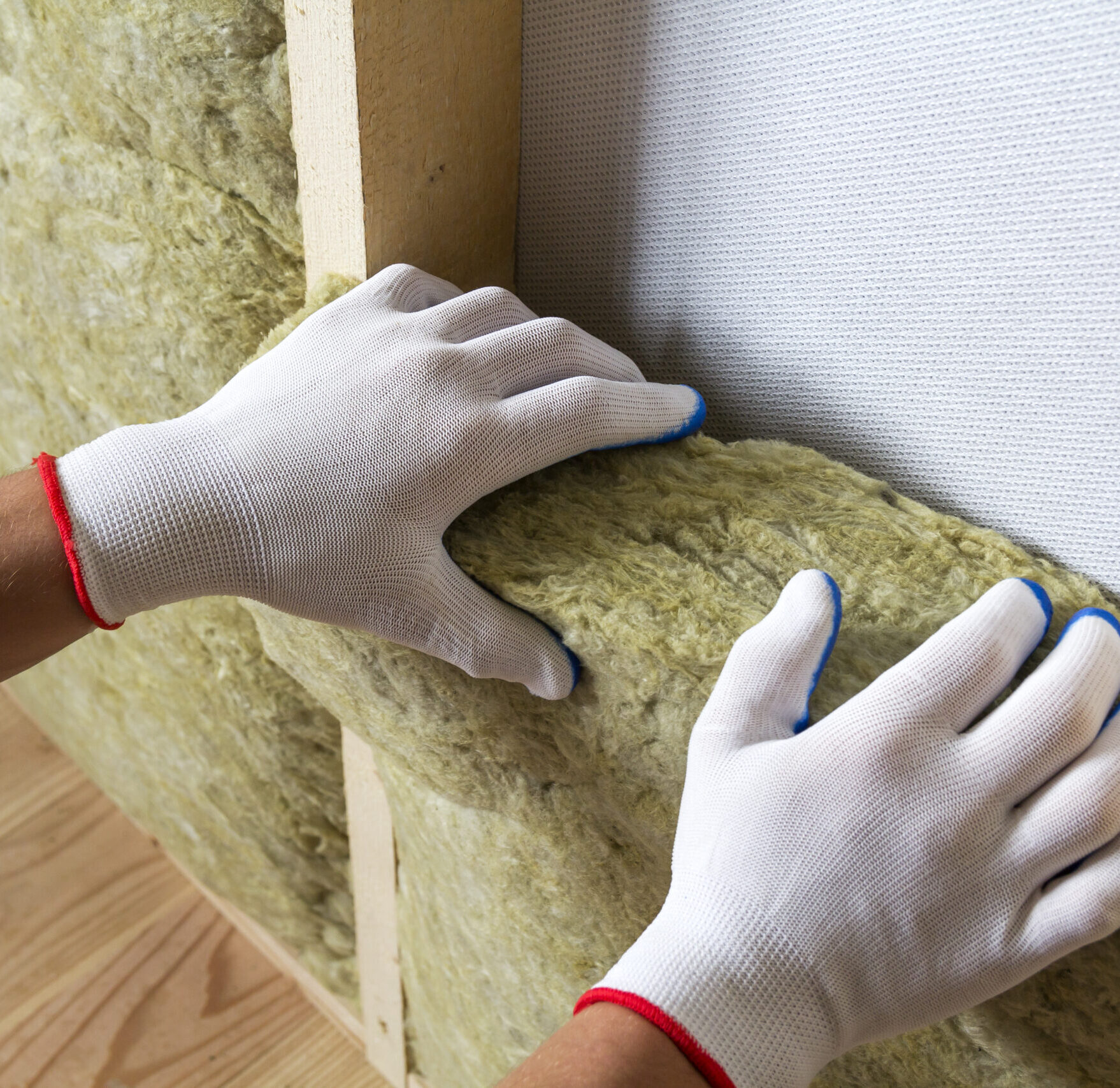
Since we’re talking about the whole house system, we can’t ignore insulation. It’s the silent partner to your HVAC system. What good is perfectly clean, efficient ductwork if all the beautifully conditioned air is leaking into a scorching hot attic or a humid crawl space?
In our Florida climate, proper attic insulation is a game-changer. It keeps the heat from radiating down into your living spaces, so your AC isn’t fighting a losing battle. Old, compacted, or moisture-damaged insulation just doesn’t cut it. If you’re investing in ac duct cleaning for efficiency, pairing it with an insulation check is a genius one-two punch for comfort and savings. At Airwayz Air Duct and Insulation in Palm Coast, we look at the entire picture because each part affects the other.
Navigating Cost & Choosing the Right Pro
Let’s talk price. It’s the question everyone has. The truth is, a legitimate air vent cleaning service for an average home isn’t a $99 special. Those deals often bait-and-switch or do a superficial job. A proper job takes time, expertise, and industrial equipment.
What Influences the Cost?
- Home Size & Duct Layout: More vents, more linear feet of ductwork, more time.
- Level of Contamination: A post-renovation cleaning is different from a yearly maintenance.
- Accessibility: Easy attic access vs. a tight crawl space.
- Additional Services: Adding a dryer vent cleaning or sanitizing treatment.
The best approach? Get a detailed, in-person estimate. Any reputable company, like us at Airwayz Air Duct and Insulation, will be transparent. We’ll walk you through what we see and what we recommend, with no pressure. You want a clear scope of work, not a vague promise.
Red Flags to Avoid:
- Extremely low phone quotes. They will find “problems” and upsell you.
- No physical address. You want a local business, not a fly-by-night crew.
- No proof. They should show you before and after.
- Pressure tactics. If they use scare tactics, show them the door.
When you search for “air duct cleaning services near me” or “nearest duct cleaning company,” look for longevity, reviews, and professionalism. IMO, that’s worth more than the lowest bid.
Your Home Maintenance Checklist: A Helpful Table
Let’s put this into a practical schedule. Here’s a quick guide to keeping the unseen parts of your home healthy:
| Component | Recommended Frequency | Why It Matters | Key Sign It’s Needed |
|---|---|---|---|
| HVAC Air Ducts | Every 3-5 Years | Improves air quality & system efficiency | Visible dust at registers, musty smells, excessive dusting. |
| Dryer Vent | Every 1-2 Years | Prevents fires & improves dryer efficiency | Clothes take multiple cycles to dry, dryer feels very hot, lint smell. |
| Air Filter | Every 1-3 Months | First line of defense for your HVAC system | Looks dirty/gray when held to light. |
| Attic Insulation | Inspect Annually | Maintains thermal barrier, saves energy | High energy bills, uneven room temps, AC running constantly. |
| HVAC Tune-Up | Twice a Year (Spring/Fall) | Ensures efficiency & prevents breakdowns | Best done proactively before peak seasons. |
Your Questions, Answered
We hear these all the time, so let’s tackle them head-on.
1. Will duct cleaning make a huge mess in my home?
A professional company won’t. We contain the vacuum outside and use protective coverings. The goal is to remove mess, not redistribute it. If a crew looks messy, that’s a bad sign.
2. I just changed my air filter regularly. Isn’t that enough?
The filter is a great catch-all, but it’s not perfect. Smaller particles get through and slowly accumulate downstream of the filter, in the ducts themselves. Think of the filter as a net; some small fish always get through.
3. Can I clean my air ducts myself?
Honestly? Not effectively. You can vacuum the register you can see, but that’s like cleaning only the front door of a dirty house. The deep, interconnected system requires powerful negative-air machines to properly pull debris from the entire length. This is one for the pros 🙂
4. How long does the whole process take?
For an average-sized home, a comprehensive cleaning of the HVAC ducts and dryer vent typically takes 2 to 4 hours. We work efficiently but we don’t rush—doing it right is the priority.
So, what’s the takeaway? Paying attention to the hidden parts of your home—the ducts, the vents, the insulation—isn’t just about maintenance; it’s an upgrade. It’s an upgrade to your health, your comfort, and your home’s efficiency. It’s the kind of thing you don’t think about until it’s done, and then you wonder why you waited so long.
If you’re in Palm Coast, St. Augustine, or the surrounding areas and that heavy, dusty air is getting you down, or your energy bills are creeping up for no reason, give us a call at Airwayz Air Duct and Insulation. Let’s have a real conversation about your home. We can take a look, give you the straight facts, and help you breathe a whole lot easier.
Related Articles
People Also Ask
Improving indoor air quality involves a multi-faceted approach. Start by increasing ventilation; open windows regularly to allow fresh air to circulate and dilute indoor pollutants. Use exhaust fans in kitchens and bathrooms to remove contaminants at the source. Incorporate air-purifying houseplants, such as spider plants or peace lilies, which can absorb certain volatile organic compounds (VOCs). For a more technical solution, consider a high-efficiency particulate air (HEPA) filter purifier to capture fine particles like dust, pollen, and pet dander. Crucially, address the root causes: choose low-VOC cleaning products, maintain your HVAC system with regular filter changes, and control humidity levels to prevent mold growth. For a deeper dive into creating a healthier living environment, see our internal article Because The Air You Breathe Should Be Impeccable..
Poor indoor air quality often manifests through physical symptoms and environmental clues. Occupants may experience persistent headaches, fatigue, dizziness, or irritation of the eyes, nose, and throat. A musty or stale odor is a common red flag, as is excessive dust accumulation on surfaces and around vents. Visible mold growth, condensation on windows, and a general feeling of stuffiness are strong indicators. Inconsistent temperatures or weak airflow from registers can signal ductwork issues. For homes with forced-air systems, these signs frequently point to problems like duct leaks, inadequate insulation, or a failing HVAC system, all of which can circulate contaminants and reduce overall air exchange.
The 2 3 rule for air purifiers is a practical guideline for selecting the right unit for a room. It states that an air purifier should have a Clean Air Delivery Rate (CADR) of at least two-thirds of the room's area in square feet. For example, a 300 square foot room requires a minimum CADR of 200. This ensures the unit can effectively cycle and clean the air. The "3" often refers to the recommendation to run the purifier on its highest setting for at least 30 minutes when first installed or after a significant pollutant event, then maintain it on a lower, quieter setting for continuous operation. Following this rule helps ensure optimal air quality and energy efficiency.
Restoring peace in your home often involves addressing underlying environmental stressors, such as poor indoor air quality and inconsistent temperatures, which can significantly impact mood and comfort. A key strategy is ensuring your HVAC system is functioning optimally. Schedule regular professional maintenance to clean ducts, replace filters, and check for leaks, which improves airflow and reduces irritating dust and allergens. Proper insulation is equally crucial; it maintains a stable, comfortable temperature year-round, preventing the hot and cold spots that can lead to household tension. By creating a cleaner, more consistent, and energy-efficient indoor environment, you lay a physical foundation for a calmer, more harmonious living space.
Improving indoor air quality naturally involves several effective strategies. Start by increasing ventilation: open windows regularly to allow fresh air circulation and reduce pollutant buildup. Use houseplants like spider plants, peace lilies, or snake plants, which can help remove certain toxins. Maintain cleanliness by dusting with microfiber cloths and vacuuming using a HEPA filter to capture allergens. Control humidity levels, ideally between 30-50%, to prevent mold growth; use exhaust fans in kitchens and bathrooms. Avoid synthetic air fresheners; instead, use natural odor absorbers like baking soda or simmer pots with citrus and herbs. Regularly replace HVAC filters and ensure ducts are clean to support efficient airflow and filtration.
Improving indoor air quality without a dedicated air purifier involves a multi-faceted approach focused on source control, ventilation, and natural cleaning methods. First, minimize pollutants by using natural cleaning products, avoiding aerosols, and ensuring proper ventilation when cooking. Increase ventilation by regularly opening windows to allow fresh air circulation and using exhaust fans in kitchens and bathrooms. Incorporate houseplants known for air-purifying qualities, such as spider plants or peace lilies, though their impact is supplemental. Maintain low humidity levels (ideally 30-50%) to deter mold and dust mites, using dehumidifiers if necessary. Regular and thorough cleaning, including vacuuming with a HEPA-filter vacuum and dusting with microfiber cloths, is crucial to remove allergens. These strategies collectively enhance air purity through prevention and natural removal of contaminants.
Maintaining clean indoor air is essential for health and comfort. First, ensure proper ventilation by regularly opening windows to allow fresh air circulation and dilute indoor pollutants. Second, use high-quality air filters in your HVAC system and replace them every 90 days, or more often if you have pets or allergies. Third, control humidity levels, ideally between 30-50%, using dehumidifiers or air conditioners to prevent mold and mildew growth. Fourth, incorporate indoor plants like spider plants or peace lilies, which can naturally filter certain airborne toxins. Fifth, minimize indoor pollutant sources by choosing low-VOC cleaning products and avoiding smoking indoors. Regular professional duct cleaning also removes accumulated dust and allergens from your ventilation system.