
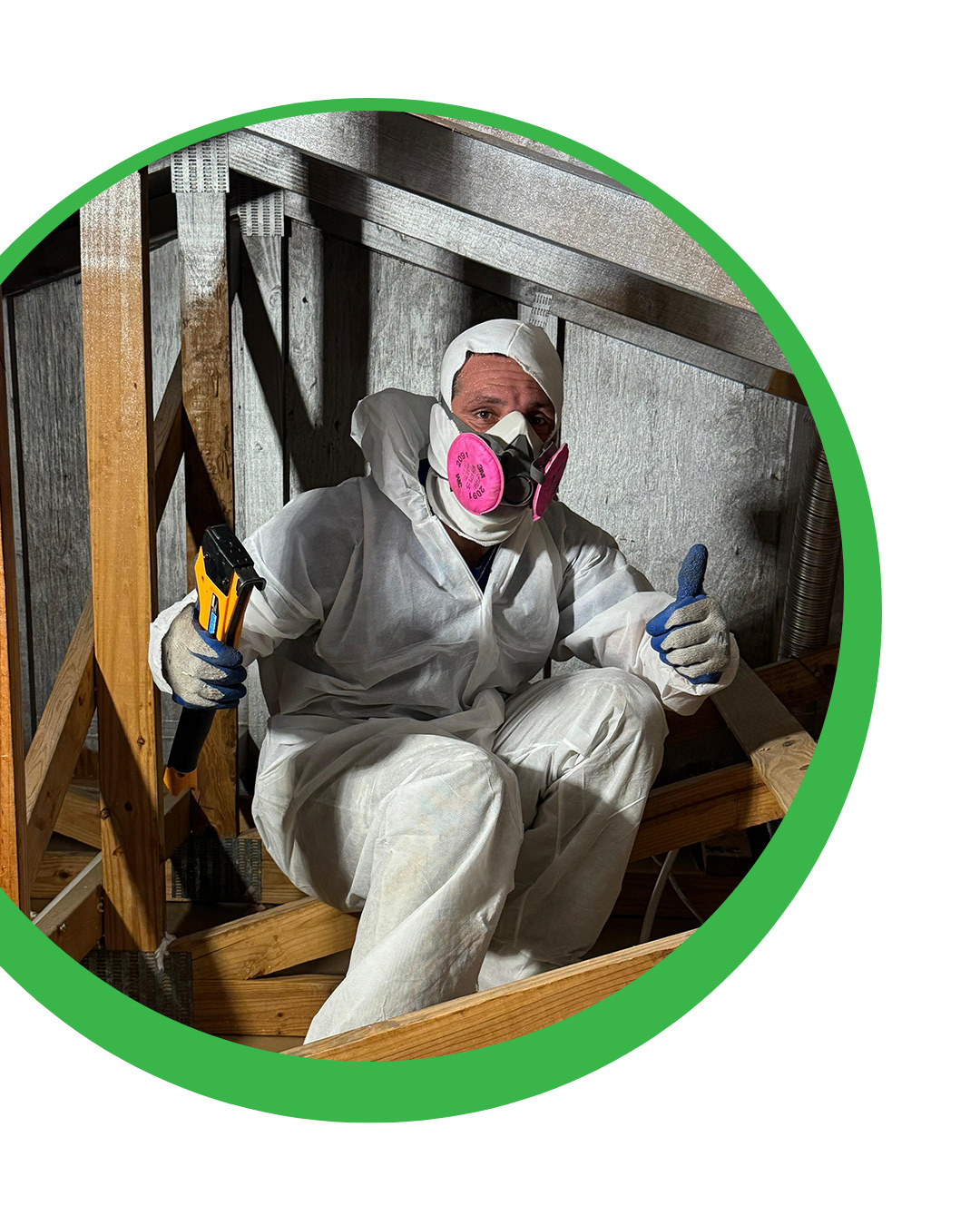
The Unseen Upgrade That Boosts Your Home’s Value
Ever notice how we spend a fortune on fancy air purifiers and smart thermostats, yet completely ignore the literal lungs of our home? It’s a bit like putting premium tires on a car with a filthy, clogged engine and expecting a smooth ride. We’re talking about your ductwork and insulation—the silent, behind-the-walls workhorses that dictate your comfort, your wallet’s health, and honestly, the air you breathe every single day. Let’s pull back the curtain (or in this case, the vent cover) and have a real chat about what’s going on in there, why it matters more than you think, and how a little attention can transform your whole house.
The Unseen World Inside Your Walls and Ducts
We get it. Out of sight, out of mind. Your air ducts are just… there. They shuttle air from your AC and furnace to every room, quietly doing their job. But what exactly are they transporting besides temperature-controlled air?
Think about it. Every bit of dust that settles on your shelves, every pet dander particle, every microscopic bit of pollen that sneaks in—a good chunk of that gets sucked into your return vents. Over months and years, it builds up. Then there’s the insulation in your attic and walls. It’s supposed to be a fluffy, uniform barrier, but time, pests, and moisture have a way of compacting it, tearing it, and generally making it less effective.
Here’s the kicker: this hidden ecosystem directly impacts three huge parts of your life:
- Your indoor air quality (What you’re breathing)
- Your energy bills (How much you’re paying)
- Your system’s lifespan (How often you need costly repairs)
Your Indoor Air Quality: It’s More Than Just Dust Bunnies
Okay, let’s talk about what you’re breathing. When was the last time you gave your air ducts a deep clean? If you’re like most folks, the answer is probably “never” or “when we moved in a decade ago.” That layer of dust and debris in your ducts isn’t just sitting still. Every time your blower fan kicks on, it stirs up a cocktail of contaminants and sends them circulating through your living space.
We’re not just talking about a bit of extra dusting for you. For families with allergies, asthma, or just general sensitivity, this constant recirculation of irritants can make a home feel stuffy and uncomfortable. Ever wonder why one room always seems dustier than the others, or why you wake up congested? Your ductwork might be trying to tell you something.
FYI, a professional air duct cleaning service does more than just vacuum out dust. A reputable company, like us here at Airwayz Air Duct and Insulation in Palm Coast, uses specialized tools to agitate and extract debris from the entire system, including the main trunk lines and individual branches. It’s a whole house solution, not just a spot clean. And while you’re at it, let’s not forget the dryer vent—a shocking fire hazard when clogged and a massive energy waster. Cleaning that is a no-brainer for safety and efficiency.
The Silent Budget Killer: Inefficiency and High Energy Costs
Here’s where it hits your wallet. Your HVAC system is the biggest energy consumer in your home. When your ducts are leaky or filled with gunk, and your insulation is sagging or missing, that system has to work overtime.
- Leaky Ducts: Imagine trying to inflate a balloon with a hole in it. That’s your HVAC system trying to condition your home with leaky ducts, often losing 20-30% of the air it works so hard to heat or cool into your attic or crawlspace.
- Dirty Ducts: Debris buildup acts like an insulating blanket inside the ducts, trapping heat where you don’t want it and restricting airflow. Your fan motor strains, using more energy.
- Poor Insulation: This is your home’s sweater. If it’s thin or full of holes, your conditioned air escapes in the winter, and the Florida heat pours in during the summer. Your system never gets a break.
The result? Sky-high energy bills. You’re literally paying to condition the great outdoors. Investing in sealing your ducts, a thorough air vent cleaning, and assessing your insulation isn’t an expense—it’s a correction to a problem that’s been costing you money every single month.
The Professional Touch vs. The DIY Dilemma
We know the allure of a DIY solution. A quick search for “air duct cleaning services near me” might also show you a $99 special and a hose you can attach to your shop-vac. Let’s be real for a second. Your ductwork is a complex network. A homeowner-grade vacuum simply doesn’t have the suction power or the reach to properly clean the entire system. You might get the first few feet of a vent, but you’re leaving the vast majority of the problem untouched.
A professional job is a different beast entirely. Here’s a quick comparison of what you’re really paying for:
| Aspect | DIY / “Low-Cost” Special | Professional, Comprehensive Service |
|---|---|---|
| Equipment | Basic vacuum hose, brushes | Truck-mounted HEPA vacuum, rotary brushes, agitation tools, inspection cameras |
| Scope | Surface-level cleaning at vent openings | Whole house system cleaning: trunk lines, branches, returns, plenum, coils |
| Insulation Assessment | Not included | Critical evaluation of attic/wall insulation for R-value and coverage |
| Dryer Vent Service | Often separate or overlooked | Included as a standard safety and efficiency measure |
| Result | Temporary dust reduction, missed contaminants | Deep cleaning, improved airflow, documented dirt removal, energy savings |
When you choose a trusted local provider, you’re paying for expertise, industrial equipment, and a result that actually lasts. Speaking of cost, while we always aim to be affordable, the true price is about value—saving on future energy bills, preventing costly HVAC repairs, and protecting your family’s health. It’s an investment in your home’s infrastructure.
Beyond the Cleaning: The Insulation Conversation
AC duct cleaning is a massive piece of the puzzle, but it’s not the only one. If your insulation is failing, you’re still fighting a losing battle. In our Florida climate, attic insulation is your frontline defense against the sun’s brutal heat.
We’ve been in countless attics in Palm Coast and St. Augustine where homeowners were baffled by their high bills, only to find the original insulation was thin, compacted, or torn apart by critters. Replacing or adding insulation is one of the highest-return upgrades you can make. It works in tandem with clean, sealed ducts to create a tight, efficient thermal envelope. Think of it as fixing both the engine and the chassis of your car for optimal performance.
Your Action Plan: What to Do Next
Feeling motivated? Good! Here’s a simple plan to stop wondering and start improving:
- Get a Professional Assessment: This isn’t a sales pitch; it’s a discovery mission. Have a pro look at your ducts with a camera and evaluate your insulation levels. You can’t fix what you don’t know.
- Ask the Right Questions: Any company you call should be able to clearly explain their process, show you before/after evidence, and provide a detailed, upfront quote. No hidden fees.
- Think Comprehensively: Tackle the system as a whole. Combining duct cleaning, sealing, and insulation evaluation often provides the most dramatic results and can be more affordable than doing them piecemeal over years.
- Choose Local Expertise: You need a team that understands our specific coastal climate and common home styles here in Northeast Florida. That’s why at Airwayz Air Duct and Insulation, we focus on serving our Palm Coast and St. Augustine neighbors with solutions tailored to our environment.
Answers to Your Burning Questions
How often should I really get my air ducts cleaned?
There’s no universal timetable, but we generally recommend every 3-5 years for most homes. If you have pets, allergies, recent renovations, or you’ve never had it done, it’s probably time. The best way to know? Get them inspected!
Will cleaning my ducts make my house less dusty?
Absolutely. You’ll notice a significant reduction in the amount of dust that settles on your surfaces within days. It’s one of the most immediate and satisfying results.
What’s the real cost of adding insulation?
It varies by home size and material, but it’s one of the few home improvements that literally pays for itself over time through energy savings. We provide clear, itemized quotes so you know exactly what you’re getting. The goal is to find the most affordable path to the right R-value for your home.
I live in [Your Town]. How do I find the nearest reputable service?
Start by searching for “air duct cleaning services nearest me” and look for established, locally-owned companies with strong reviews. Check for licenses and insurance. And hey, if you’re in the Palm Coast or St. Augustine area, we’d be honored if you gave us a call at Airwayz Air Duct and Insulation for a straightforward, no-pressure consultation.
So, what’s the takeaway? Your home’s hidden infrastructure isn’t a “set it and forget it” deal. Giving some love to your ducts and insulation is one of the smartest, most impactful things you can do for your comfort, your health, and your bank account. It’s not the most glamorous home project, IMO, but the benefits are felt every single day. Why keep paying to heat and cool a home that’s working against you? Let’s get that system running like it was designed to. Your lungs, your thermostat, and your wallet will thank you.
People Also Ask
Upgrading key areas like kitchens and bathrooms typically offers the highest return on investment for increasing home value. A minor kitchen remodel, including updated countertops, cabinets, and appliances, is often a top performer. Adding or renovating bathrooms also significantly boosts appeal. Beyond these, enhancing curb appeal with landscaping and a fresh exterior, increasing energy efficiency with new windows and insulation, and creating additional functional living space (like finishing a basement) are highly valuable. It's crucial to focus on quality workmanship and materials that align with neighborhood standards to ensure the upgrades appeal to future buyers and provide a strong financial return.
The 3-3-3 rule in real estate is a guideline for evaluating potential investment properties. It suggests that a property should meet three key criteria: it should be priced at least 3% below market value, require no more than 3% of the purchase price in immediate repairs, and have the potential to generate a 3% monthly cash-on-cash return after all expenses. This rule helps investors quickly screen deals for profitability and risk. It emphasizes the importance of buying at a discount, controlling renovation costs, and ensuring strong cash flow. While a useful initial filter, thorough due diligence on local market conditions, financing, and long-term expenses remains essential for any serious investment decision.
The 30% rule for renovations is a general budgeting guideline suggesting that homeowners should not spend more than 30% of their home's current market value on a major renovation project. This rule helps prevent overcapitalization, where the cost of improvements exceeds the value they add to the property. For example, if a home is worth $300,000, the recommended renovation budget would cap at around $90,000. This is a conservative benchmark to ensure a reasonable return on investment and maintain financial stability. It's crucial to obtain accurate appraisals and detailed contractor quotes, as the appropriate percentage can vary based on the local real estate market and the specific scope of work planned.
To determine the salary needed for a $400,000 house, a common guideline is the 28/36 rule. This means your monthly mortgage payment should not exceed 28% of your gross monthly income, and your total debt payments should not exceed 36%. Assuming a 20% down payment ($80,000), a 30-year fixed mortgage at around 7% interest, and including property taxes and insurance, the total monthly payment could be approximately $2,800. To afford this, your annual gross salary should be at least $120,000. However, this is a general estimate; lenders also consider credit score, existing debts, and location. It's crucial to get pre-approved and budget for maintenance and unexpected costs. Consulting with a financial advisor is recommended for personalized planning.
Improving your home's value significantly often involves strategic upgrades that enhance both aesthetics and functionality. Focus on high-impact areas like the kitchen and bathrooms, as these offer the best return on investment. Consider modernizing with new countertops, energy-efficient appliances, and updated fixtures. Adding square footage through a finished basement or a well-constructed deck can also substantially boost value. Exterior improvements like fresh siding, a new roof, or professional landscaping create crucial curb appeal. For optimal results, ensure all work complies with local building codes and is performed by licensed professionals. These targeted investments, when chosen wisely, can collectively elevate your property's market value by $50,000 or more.
Improving your home's value by $100,000 typically requires a strategic combination of major upgrades and curb appeal enhancements. Focus on high-return projects like a kitchen or bathroom remodel, which can offer significant returns on investment. Adding functional square footage, such as finishing a basement or adding a deck, also substantially increases perceived value. Exterior improvements like new siding, a modern garage door, and professional landscaping create a strong first impression. Crucially, ensure all major systems—like HVAC ductwork and insulation—are in excellent condition, as energy efficiency is a major selling point. Always use licensed professionals for major work to ensure quality and compliance with local building codes, which protects your investment.
Upgrades that increase home value for appraisal typically focus on key areas that appraisers evaluate. Kitchens and bathrooms offer the highest return on investment; consider updating countertops, cabinets, and fixtures. Adding or refinishing hardwood floors significantly boosts appeal. Curb appeal improvements like landscaping, a fresh exterior paint job, and an updated front door are crucial. Energy-efficient upgrades, such as new windows, insulation, and HVAC systems, are highly valued for reducing utility costs. Ensure all repairs are completed, as deferred maintenance can negatively impact value. Appraisers assess quality, functionality, and market trends, so prioritize professional, permitted work that aligns with neighborhood standards.
Improving your home's value often focuses on key areas that offer the best return on investment. Start with curb appeal: a well-maintained lawn, fresh exterior paint, and an updated front door create a strong first impression. Inside, prioritize the kitchen and bathrooms; even modest updates like new hardware, countertops, or fixtures can yield significant returns. Adding functional square footage, such as finishing a basement or attic, is highly valuable. Energy-efficient upgrades, including new windows, insulation, and HVAC systems, are increasingly important to buyers for long-term savings. Other top value-adds include enhancing outdoor living spaces with a deck or patio, ensuring proper attic and crawl space insulation for comfort, and maintaining a clean, neutral, and decluttered interior to help potential buyers envision themselves in the space.