
 Testimonials
Our Clients Feedback
Olivia .C
Ethan .B
Sophia .N

The Palm Harbor air duct cleaning flat-rate is unbeatable. They removed years of dust instantly.



Tom was a pleasure to have working in our home. We are happy with the job and looking forward to better air quality.

The airflow check was incredibly thorough. They diagnosed the pressure imbalance in my Grand Haven house within twenty minutes and provided concrete data showing exactly where we were losing efficiency. The booking process was frictionless and the diagnostic fee was perfectly reasonable.

We were freezing in our new Belle Terre house until they came out for air sealing. The upfront cost was lower than I expected. They sealed every gap instantly, and the drafty rooms vanished overnight.

Old metal ducts in the crawlspace were leaking at almost every joint. They sealed what they could and replaced the worst sections. First month’s electric bill dropped and the upstairs finally cools without cranking the thermostat

Old metal ducts in the crawlspace were leaking at almost every joint. They sealed what they could and replaced the worst sections. First month’s electric bill dropped and the upstairs finally cools without cranking the thermostat

They cleaned the ducts and sanitized everything. Dust on the registers is gone and the house doesn’t smell stale anymore.

A contractor I hired wrecked the ductwork in my Seminole Woods home, but this crew handled the air duct repair flawlessly. Fast, effective, and completely saved my renovation timeline.

I was skeptical because we've had other companies just blow air through the vents and call it done. These guys actually used a brush system and showed us what came out. There was a lot more buildup than I expected, especially in the returns. They sealed a couple of leaky spots while they were here too. Energy bill dropped a bit the following month and the rooms heat more evenly now. They stayed later than planned because they wanted to finish properly. That's the kind of crew you want.
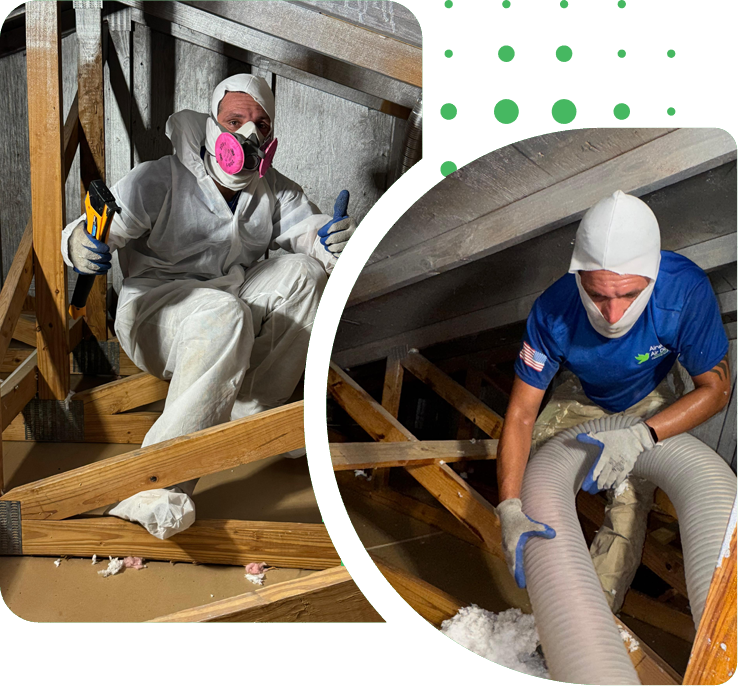
Insulation Removal
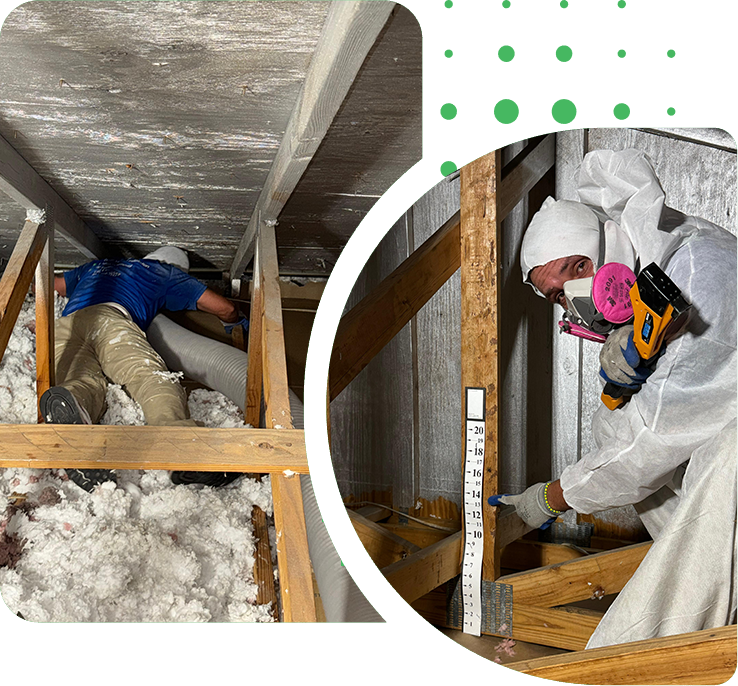
Insulation Removal - Safe, Thorough, and Ready for a Fresh Start
Old or contaminated insulation isn’t just ineffective - it can pose health risks, attract pests, and compromise your indoor air quality. At Airwayz, we provide professional insulation removal services that are safe, efficient, and leave your space clean and ready for upgraded protection. Whether you're preparing for new insulation, dealing with rodent infestations, or removing insulation damaged by water or mold, our team has the tools and expertise to get the job done right - with minimal mess and maximum care.

Contact Us
Reach out by phone or fill out our quick form. Our team is ready to answer your questions and understand your needs.

Receive a Quote
We’ll provide a clear, no-obligation quote based on your home and the service required—no hidden fees.

Schedule & Get It Done
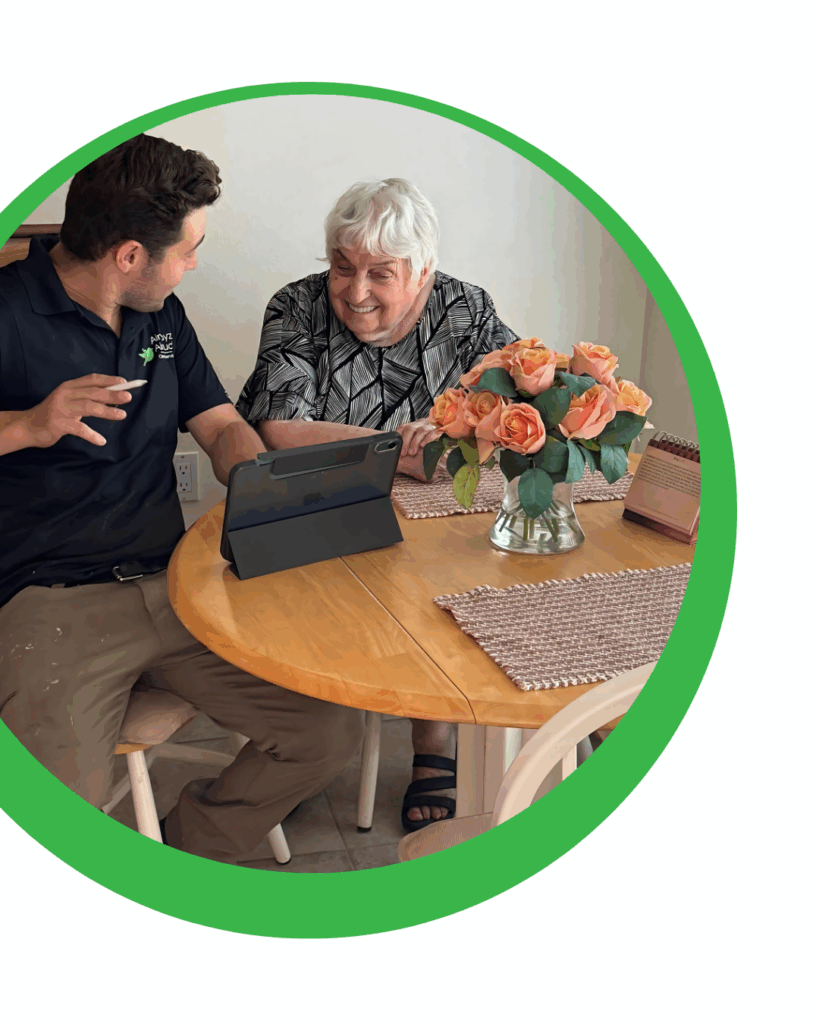
Choose a time that works for you. Our experts arrive on time, complete the job efficiently, and leave your home cleaner and safer.
Testimonials
Our Clients Feedback
Olivia .C
Ethan .B
Sophia .N
Airwayz
Why Choose Airwayz?
Personalized Project Management
You get direct support from our team throughout the entire process.
Clear Timelines
No surprises. We show up on time and finish as promised.
Licensed Professionals
Every technician is certified and trained to deliver safe, lasting results.
Local Experience
We understand Florida’s unique air quality challenges, high humidity, and building standards - and we tailor our solutions accordingly.
Related Articles
How Often Should You Clean Your Air Ducts? The Homeowner’s Guide To Frequency, Signs, And Professional Standards
Palm Coast Homeowner’s Guide To Air Duct Cleaning: What The Law Requires
Palm Coast’s Best Air Duct Cleaning & Insulation Provider: Airwayz Air Duct Services
Blow-In Insulation in Ponte Vedra, FL
Insulation Removal in Daytona Beach, FL
People Also Ask
Removing insulation yourself is possible, but it carries significant risks and is rarely recommended. Handling materials like fiberglass can release harmful fibers into the air, causing skin, eye, and respiratory irritation. Without proper safety gear and containment procedures, you risk contaminating your entire home. Additionally, old insulation may contain mold, rodent droppings, or asbestos, which require professional abatement. For homeowners in Palm Coast and Flagler County, a safer and more cost-effective approach is to consult a specialist. For a deeper look at the hidden costs of taking on such tasks, read our internal article titled DIY Vs. Pro Air Duct Cleaning: Why Going The Cheap Route Can Cost You More. Airwayz Duct and Insulation can assess your specific situation to ensure safe and compliant removal.
The cost to remove blown insulation varies based on factors like attic size, insulation depth, and accessibility. In Palm Coast and Flagler County, homeowners typically pay between $1,000 and $3,000 for a full removal job. This price includes labor, disposal fees, and protective equipment. For a more precise estimate, you should schedule an on-site evaluation. Airwayz Duct and Insulation recommends always hiring a professional to handle this task, as improper removal can release harmful particles and reduce energy efficiency. For detailed guidance on this process, please refer to our internal article titled Insulation Removal in Melbourne, FL, which covers specific considerations for local homes.
The cost to remove old insulation varies based on factors like the type of material, the square footage of your attic or crawlspace, and accessibility. For standard fiberglass batts, removal is often less labor-intensive than for loose-fill cellulose or vermiculite. In Palm Coast and Flagler County, homeowners typically see removal costs ranging from a few hundred to over a thousand dollars, especially if hazardous materials like asbestos are suspected. Professional removal ensures proper disposal and safety. For a detailed breakdown of pricing and services tailored to your home, we recommend reading our internal article titled 'Palm Coast Air Duct Cleaning & Insulation Services | Airwayz' at Palm Coast Air Duct Cleaning & Insulation Services | Airwayz. Airwayz Duct and Insulation can provide an accurate estimate after an on-site evaluation.
Yes, removing old insulation is often worth it, especially in older homes. Old insulation can become compressed, contaminated with mold, rodent droppings, or dust, and lose its R-value over time. This reduces energy efficiency, forcing your HVAC system to work harder. In Palm Coast and Flagler County, where humidity is high, old insulation can trap moisture and promote mold growth, impacting indoor air quality. Replacing it with fresh, properly installed insulation improves thermal performance and lowers energy bills. For a thorough understanding of the benefits, we recommend reading our internal article titled Invest In Your Air: The Smart Choice For Florida Homes. Airwayz Duct and Insulation can assess your attic to determine if removal is necessary for your home.
When it comes to attic insulation removal, the primary goal is to clear out old, contaminated, or inefficient material to make way for fresh, high-performance insulation. This process is vital for improving your home's energy efficiency and indoor air quality. Old insulation can harbor dust, mold, and pest debris, which can compromise your HVAC system's performance. Professional removal ensures that all compromised material is safely extracted without spreading contaminants into your living space. For homeowners in Palm Coast and Flagler County, understanding the benefits of this service is key. For a deeper look into how this process fits into overall home care, you can refer to our internal article titled Palm Coast’s Best Air Duct Cleaning & Insulation Provider: Airwayz Air Duct Services. Airwayz Duct and Insulation always recommends a thorough inspection before removal to identify any underlying issues like air leaks or moisture problems.