
 Testimonials
Our Clients Feedback
Olivia .C
Ethan .B
Sophia .N

The Palm Harbor air duct cleaning flat-rate is unbeatable. They removed years of dust instantly.



Tom was a pleasure to have working in our home. We are happy with the job and looking forward to better air quality.

The airflow check was incredibly thorough. They diagnosed the pressure imbalance in my Grand Haven house within twenty minutes and provided concrete data showing exactly where we were losing efficiency. The booking process was frictionless and the diagnostic fee was perfectly reasonable.

We were freezing in our new Belle Terre house until they came out for air sealing. The upfront cost was lower than I expected. They sealed every gap instantly, and the drafty rooms vanished overnight.

Old metal ducts in the crawlspace were leaking at almost every joint. They sealed what they could and replaced the worst sections. First month’s electric bill dropped and the upstairs finally cools without cranking the thermostat

Old metal ducts in the crawlspace were leaking at almost every joint. They sealed what they could and replaced the worst sections. First month’s electric bill dropped and the upstairs finally cools without cranking the thermostat

They cleaned the ducts and sanitized everything. Dust on the registers is gone and the house doesn’t smell stale anymore.

A contractor I hired wrecked the ductwork in my Seminole Woods home, but this crew handled the air duct repair flawlessly. Fast, effective, and completely saved my renovation timeline.

I was skeptical because we've had other companies just blow air through the vents and call it done. These guys actually used a brush system and showed us what came out. There was a lot more buildup than I expected, especially in the returns. They sealed a couple of leaky spots while they were here too. Energy bill dropped a bit the following month and the rooms heat more evenly now. They stayed later than planned because they wanted to finish properly. That's the kind of crew you want.
Air Sealing
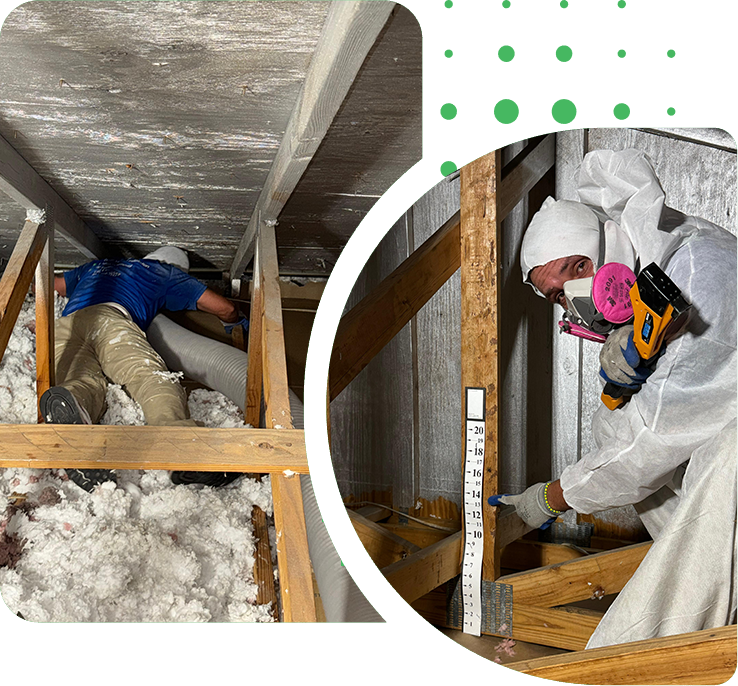
Air Sealing – Stop Energy Loss, Improve Comfort, and Save Money
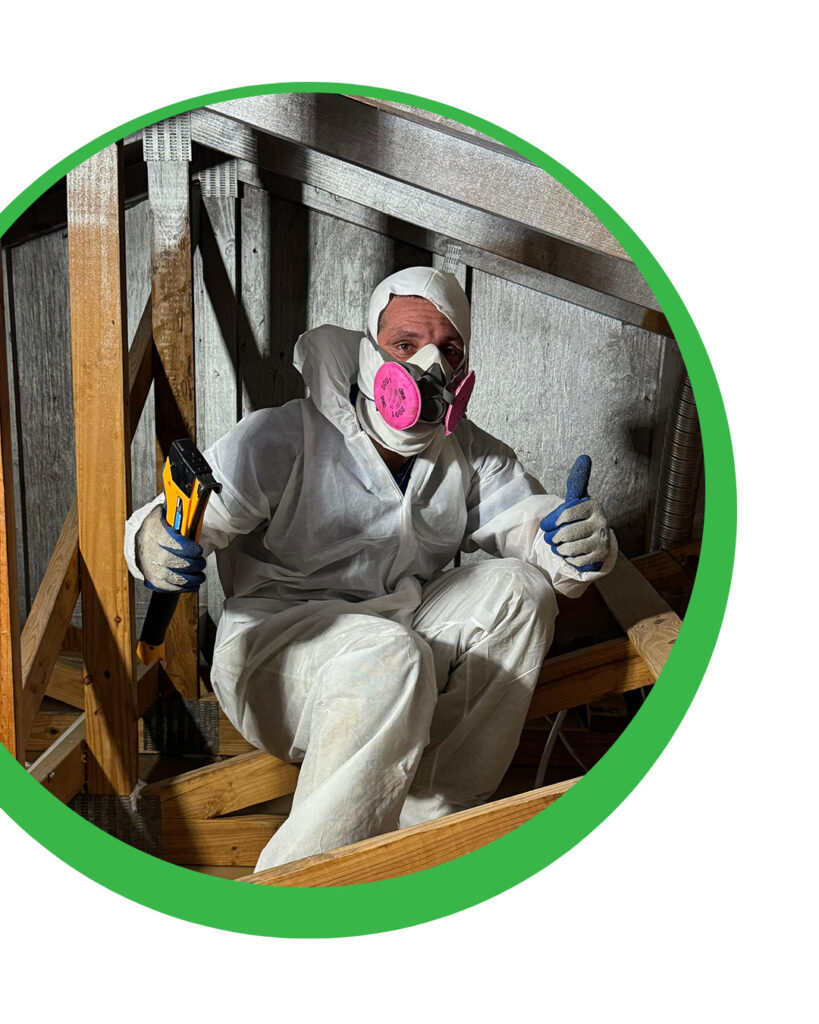
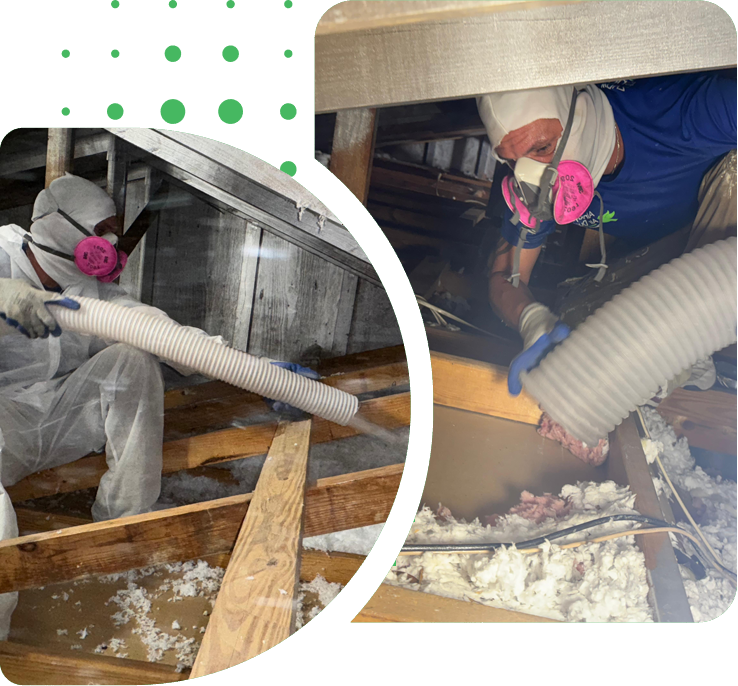
Even the most efficient HVAC system can’t perform at its best if your home is full of tiny air leaks. Cracks, gaps, and holes around windows, doors, ducts, attics, and walls can silently let conditioned air escape - while bringing in heat, moisture, and allergens from outside. At Airwayz, we offer expert air sealing services that close those leaks, strengthen your insulation, and help your entire home or building maintain stable, energy-efficient indoor temperatures year-round.

Contact Us
Reach out by phone or fill out our quick form. Our team is ready to answer your questions and understand your needs.

Receive a Quote
We’ll provide a clear, no-obligation quote based on your home and the service required—no hidden fees.

Schedule & Get It Done
Choose a time that works for you. Our experts arrive on time, complete the job efficiently, and leave your home cleaner and safer.
Testimonials
Our Clients Feedback
Olivia .C
Ethan .B
Sophia .N
Airwayz
Why Choose Airwayz?
Personalized Project Management
You get direct support from our team throughout the entire process.
Clear Timelines
No surprises. We show up on time and finish as promised.
Licensed Professionals
Every technician is certified and trained to deliver safe, lasting results.
Local Experience
We understand Florida’s unique air quality challenges, high humidity, and building standards - and we tailor our solutions accordingly.
Related Articles
Palm Coast’s Best Air Duct Cleaning & Insulation Provider: Airwayz Air Duct Services
Natural Ways To Improve Your Indoor Air Quality
Air Duct Replacement in Orlando, FL
People Also Ask
The cost of air sealing a home varies widely based on the size of the home and the extent of the leaks. For a typical home in Palm Coast and Flagler County, a professional assessment is the first step to get an accurate estimate. General industry standards suggest that a comprehensive air sealing project can range from a few hundred to over a thousand dollars. However, be extremely wary of extremely low prices. At Airwayz Duct and Insulation, we believe in transparent and effective work. For a deeper understanding of pricing pitfalls, we recommend reading our internal article titled Why We Don’t Recommend $99 Whole-Home Specials (And You Shouldn’t Either). This explains why cheap, flat-rate deals often fail to address the real problems and can waste your money.
The attic is typically the area of a home that loses the most heat, as warm air naturally rises and can escape through an uninsulated or poorly sealed roof. In Palm Coast and Flagler County, where homes face humid summers and mild winters, a lack of proper attic insulation creates a major energy drain. This heat loss forces your HVAC system to work harder, increasing utility bills and reducing comfort. Airwayz Duct and Insulation recommends checking your attic's insulation levels and sealing any air leaks around ducts, vents, and recessed lighting. Addressing these weak points helps maintain a stable indoor temperature and improves overall energy efficiency.
For effective air sealing in homes around Palm Coast and Flagler County, the best materials depend on the gap size. For small cracks and gaps (under 1/4 inch), high-quality acrylic latex caulk or silicone caulk is ideal, as it remains flexible and adheres well to wood, drywall, and trim. For larger gaps around pipes, vents, or wiring, expanding spray foam (specifically a low-expansion, "window and door" formula) is the professional standard because it fills voids completely without warping frames. For sealing the top plates of walls in attics, rigid foam board or high-density caulk is recommended. For a deeper understanding of why these materials matter and how they impact your home's efficiency, we highly recommend reading our internal article titled 'Should You Invest In Air Sealing? Let’s Talk About It' at Should You Invest In Air Sealing? Let’s Talk About It. Airwayz Duct and Insulation always advises using durable, long-lasting sealants to prevent air leaks from returning.
While both are critical, air sealing is often the more important first step. Insulation works by slowing conductive heat transfer, but if your home is leaky, that conditioned air escapes through gaps and cracks, rendering the insulation less effective. Air sealing stops that uncontrolled airflow, creating a tight building envelope. After sealing, your insulation can perform as intended, maximizing energy efficiency and comfort. For a deeper look at why this matters for your home in Palm Coast and Flagler County, you can read our internal article titled Should You Invest In Air Sealing? Let’s Talk About It. Airwayz Duct and Insulation recommends addressing air leaks before adding or upgrading insulation for the best results.
For homeowners in Palm Coast and Flagler County, air sealing is a critical step in maximizing energy efficiency. This process involves identifying and sealing gaps, cracks, and leaks in your home's building envelope, such as around windows, doors, and attic hatches. By stopping uncontrolled airflow, air sealing prevents conditioned air from escaping and keeps hot, humid outdoor air from entering. This reduces the strain on your HVAC system, lowers utility bills, and improves indoor comfort. For comprehensive home performance, combine air sealing with proper attic insulation. For expert guidance on these services, refer to our internal article titled Palm Coast’s Best Air Duct Cleaning & Insulation Provider: Airwayz Air Duct Services.