
 Testimonials
Our Clients Feedback
Olivia .C
Ethan .B
Sophia .N

The Palm Harbor air duct cleaning flat-rate is unbeatable. They removed years of dust instantly.



Tom was a pleasure to have working in our home. We are happy with the job and looking forward to better air quality.

The airflow check was incredibly thorough. They diagnosed the pressure imbalance in my Grand Haven house within twenty minutes and provided concrete data showing exactly where we were losing efficiency. The booking process was frictionless and the diagnostic fee was perfectly reasonable.

We were freezing in our new Belle Terre house until they came out for air sealing. The upfront cost was lower than I expected. They sealed every gap instantly, and the drafty rooms vanished overnight.

Old metal ducts in the crawlspace were leaking at almost every joint. They sealed what they could and replaced the worst sections. First month’s electric bill dropped and the upstairs finally cools without cranking the thermostat

Old metal ducts in the crawlspace were leaking at almost every joint. They sealed what they could and replaced the worst sections. First month’s electric bill dropped and the upstairs finally cools without cranking the thermostat

They cleaned the ducts and sanitized everything. Dust on the registers is gone and the house doesn’t smell stale anymore.

A contractor I hired wrecked the ductwork in my Seminole Woods home, but this crew handled the air duct repair flawlessly. Fast, effective, and completely saved my renovation timeline.

I was skeptical because we've had other companies just blow air through the vents and call it done. These guys actually used a brush system and showed us what came out. There was a lot more buildup than I expected, especially in the returns. They sealed a couple of leaky spots while they were here too. Energy bill dropped a bit the following month and the rooms heat more evenly now. They stayed later than planned because they wanted to finish properly. That's the kind of crew you want.




Years of
Experience
Airwayz
Why Choose Airwayz in St. Augustine?
Personalized Project Management
Direct support from our team throughout your entire project.
Clear Timelines
We complete every job on schedule with consistent updates.
Licensed Professionals
Certified technicians ensure your system runs safely and efficiently.
Local Expertise
We understand the unique air quality challenges in St. Augustine and provide solutions built for your environment.
Our Services
Complete Indoor Air & Comfort Solutions
Everything your home or business needs for cleaner air, better efficiency, and year-round comfort.

Air Filtration Solutions
Breathe easier with deep-cleaned ducts that reduce allergens and improve airflow throughout your entire home.
READ MOREAir Duct Repair
Fix damaged ductwork to restore proper air circulation and increase your HVAC system’s efficiency and comfort.
READ MORE

Air Duct Cleaning
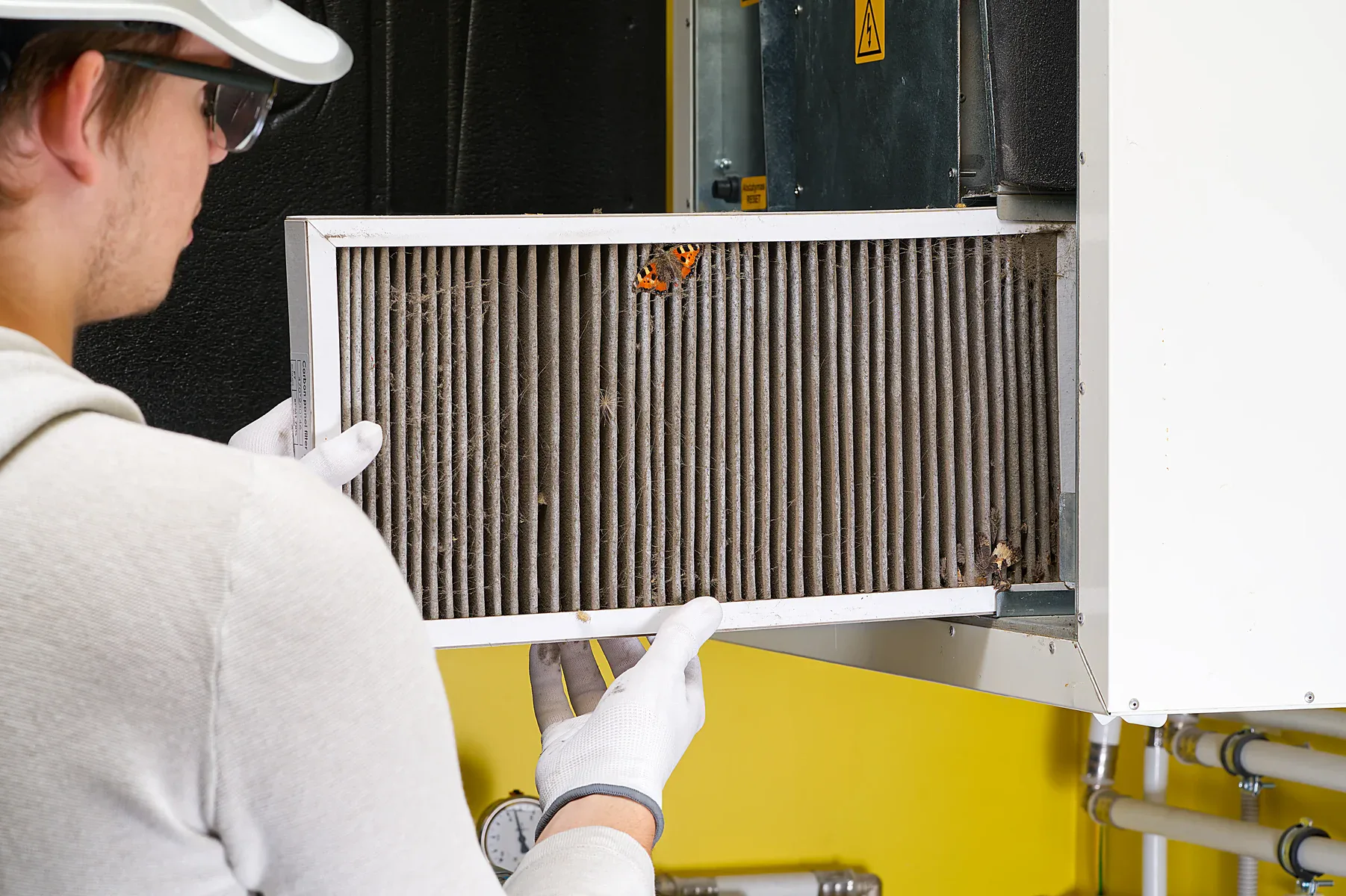
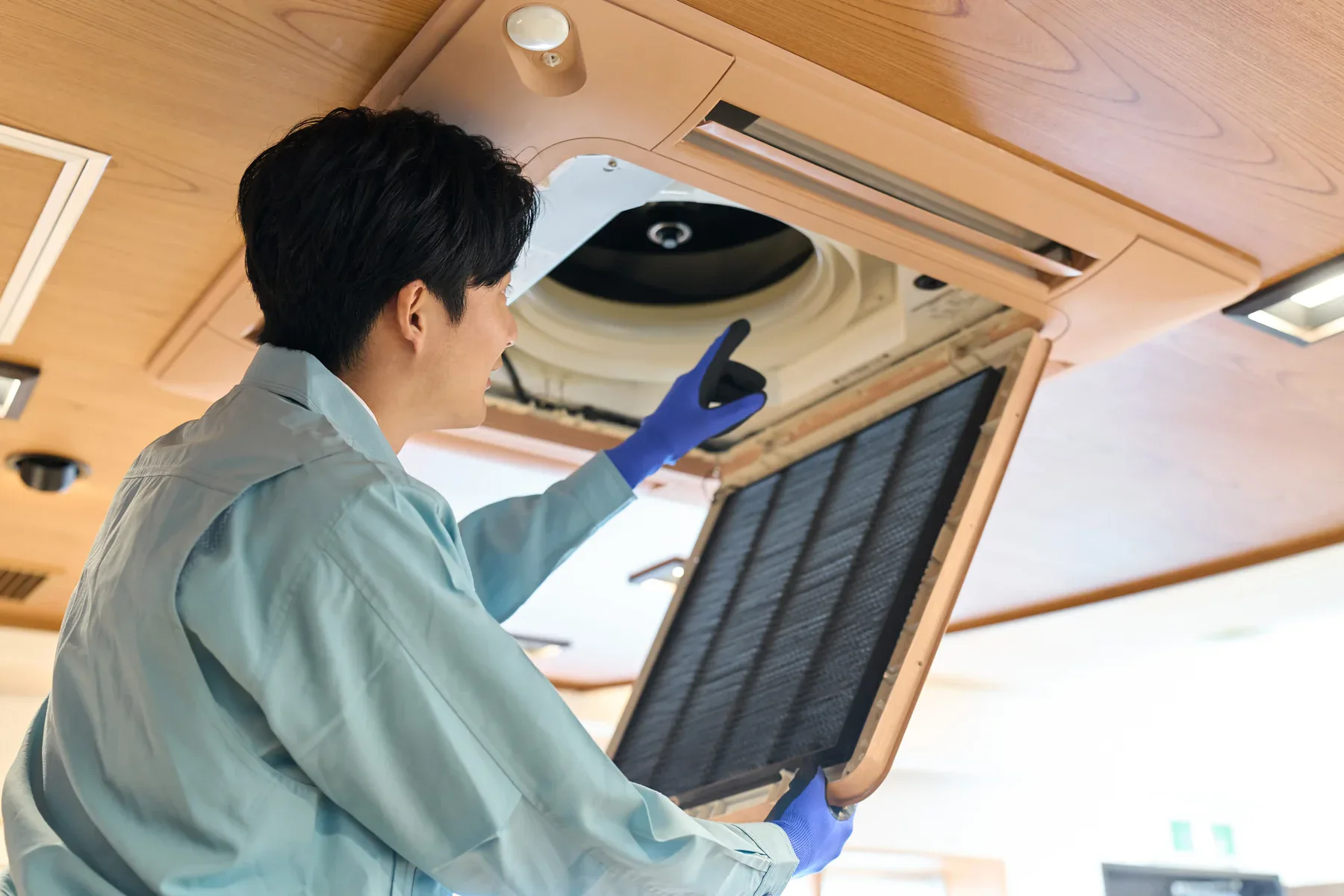
Remove accumulated dust, allergens, and debris to improve indoor air quality and boost your HVAC system’s efficiency.
READ MOREAir Duct Replacement
Upgrade old or damaged ducts for better air quality, lower energy bills, and consistent indoor temperatures.
READ MORE
AC Installation
Stay cool with modern AC systems designed for high efficiency, energy savings, and long-term home comfort.
READ MORE
Dryer Vent Cleaning
Remove lint buildup and improve airflow to reduce fire risk and extend your dryer’s performance and life.
READ MORE
Dryer Vent Replacement
Replace unsafe or outdated vents for a safer, more efficient dryer and improved indoor air quality.
READ MORE
Dryer Vent Installation
Get professional dryer vent installation that ensures proper airflow, safety, and long-term system efficiency.
READ MORE
Blow-In Insulation
Enhance home comfort and energy savings with high-performance insulation installed quickly and mess-free in your attic.
READ MORE
Insulation Removal
Safely remove old or damaged insulation to eliminate allergens, pests, and moisture before upgrading your space.
READ MORE
Air Sealing
Seal leaks and gaps to stop energy loss, lower bills, and make your home more comfortable year-round.
READ MORE
Airflow Check
Ensure balanced, efficient airflow throughout your home to improve comfort, air quality, and HVAC performance.
READ MORE
UV Light Installation
Protect your home’s air with UV lights that reduce bacteria, mold, and allergens in your duct system.
READ MORE
People Also Ask
Yes, an air purifier can be a helpful tool for managing COPD symptoms, particularly when used alongside medical treatment. By removing airborne irritants like dust, pet dander, pollen, and smoke, a high-efficiency particulate air (HEPA) purifier can reduce the triggers that cause breathing difficulties. This can lead to fewer flare-ups and improved respiratory comfort. For residents in Palm Coast and Flagler County, where humidity and allergens can be high, controlling indoor air quality is especially important. For more detailed guidance on how clean air supports lung health, we recommend reading our internal article titled How Air Purifiers Can Help Reduce Asthma Symptoms. Airwayz Duct and Insulation can also help ensure your home's ventilation system is clean and efficient.
Yes, air purifiers can help reduce the spread of influenza by capturing airborne virus particles. High-efficiency particulate air (HEPA) filters are effective at trapping particles as small as 0.3 microns, which includes many flu virus droplets. For optimal protection, choose a purifier with a clean air delivery rate (CADR) suitable for your room size and run it continuously during flu season. However, air purifiers should complement, not replace, other precautions like vaccination and hand hygiene. For tailored advice on improving indoor air quality, refer to our internal article Air Filtration Solutions. Airwayz Duct and Insulation recommends regular HVAC maintenance to ensure your system works efficiently with any air purification setup.
Air purifiers can indirectly help with snoring by removing airborne irritants like dust, pollen, and pet dander. When these particles are inhaled, they can cause nasal congestion and inflammation in the airways, which often leads to snoring. By filtering the air, a purifier helps keep nasal passages clearer, potentially reducing snoring caused by allergies or dust. However, it is not a cure for snoring caused by structural issues like sleep apnea. For a more comprehensive approach to bedroom air quality, we recommend reading our internal article titled Enhancing Air Quality In Your Bedroom. Airwayz Duct and Insulation can also assess your home's ductwork to ensure optimal airflow, which supports the effectiveness of any air purification system.
For chemo patients in Palm Coast and Flagler County, the best air purifier is one with a true HEPA filter, which captures 99.97% of airborne particles like mold spores, dust, and bacteria. This is critical for immunocompromised individuals. We recommend a unit with an activated carbon pre-filter to remove volatile organic compounds (VOCs) from cleaning products or new furniture. For comprehensive guidance, Airwayz Duct and Insulation suggests reviewing our internal article titled Air Filtration Solutions, which details specific filter grades and room size recommendations. Ensure the purifier is sized for the patient's primary room, and change filters regularly to maintain effectiveness.