
 Testimonials
Our Clients Feedback
Olivia .C
Ethan .B
Sophia .N

The Palm Harbor air duct cleaning flat-rate is unbeatable. They removed years of dust instantly.



Tom was a pleasure to have working in our home. We are happy with the job and looking forward to better air quality.

The airflow check was incredibly thorough. They diagnosed the pressure imbalance in my Grand Haven house within twenty minutes and provided concrete data showing exactly where we were losing efficiency. The booking process was frictionless and the diagnostic fee was perfectly reasonable.

We were freezing in our new Belle Terre house until they came out for air sealing. The upfront cost was lower than I expected. They sealed every gap instantly, and the drafty rooms vanished overnight.

Old metal ducts in the crawlspace were leaking at almost every joint. They sealed what they could and replaced the worst sections. First month’s electric bill dropped and the upstairs finally cools without cranking the thermostat

Old metal ducts in the crawlspace were leaking at almost every joint. They sealed what they could and replaced the worst sections. First month’s electric bill dropped and the upstairs finally cools without cranking the thermostat

They cleaned the ducts and sanitized everything. Dust on the registers is gone and the house doesn’t smell stale anymore.

A contractor I hired wrecked the ductwork in my Seminole Woods home, but this crew handled the air duct repair flawlessly. Fast, effective, and completely saved my renovation timeline.

I was skeptical because we've had other companies just blow air through the vents and call it done. These guys actually used a brush system and showed us what came out. There was a lot more buildup than I expected, especially in the returns. They sealed a couple of leaky spots while they were here too. Energy bill dropped a bit the following month and the rooms heat more evenly now. They stayed later than planned because they wanted to finish properly. That's the kind of crew you want.



Years of
Experience
Airwayz
Why Choose Airwayz in Ormond Beach?
Personalized Project Management
Hands-on guidance from start to finish with dedicated team support.
Clear Timelines
Every project stays on schedule with open communication and updates.
Licensed Professionals
Certified HVAC specialists ensure safe, efficient, and lasting performance.
Local Experience
We understand the coastal climate and unique air quality challenges of Ormond Beach — and design systems built for them.
Our Services
Complete Indoor Air & Comfort Solutions
Everything your home or business needs for cleaner air, better efficiency, and year-round comfort.

Air Filtration Solutions
Breathe easier with deep-cleaned ducts that reduce allergens and improve airflow throughout your entire home.
READ MOREAir Duct Repair
Fix damaged ductwork to restore proper air circulation and increase your HVAC system’s efficiency and comfort.
READ MORE

Air Duct Cleaning
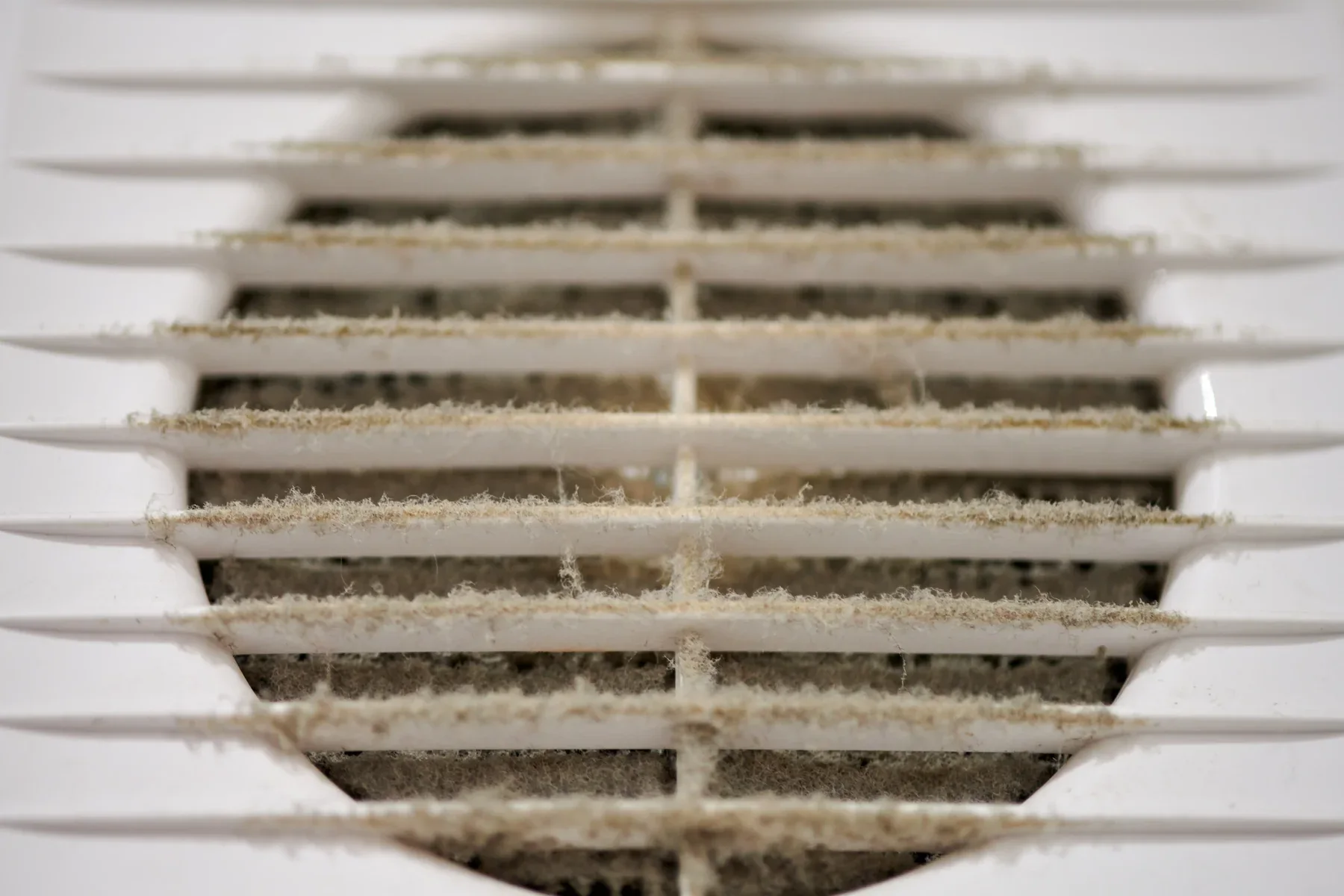
Remove accumulated dust, allergens, and debris to improve indoor air quality and boost your HVAC system’s efficiency.
READ MOREAir Duct Replacement
Upgrade old or damaged ducts for better air quality, lower energy bills, and consistent indoor temperatures.
READ MORE
AC Installation
Stay cool with modern AC systems designed for high efficiency, energy savings, and long-term home comfort.
READ MORE
Dryer Vent Cleaning
Remove lint buildup and improve airflow to reduce fire risk and extend your dryer’s performance and life.
READ MORE
Dryer Vent Replacement
Replace unsafe or outdated vents for a safer, more efficient dryer and improved indoor air quality.
READ MORE
Dryer Vent Installation
Get professional dryer vent installation that ensures proper airflow, safety, and long-term system efficiency.
READ MORE
Blow-In Insulation
Enhance home comfort and energy savings with high-performance insulation installed quickly and mess-free in your attic.
READ MORE
Insulation Removal
Safely remove old or damaged insulation to eliminate allergens, pests, and moisture before upgrading your space.
READ MORE
Air Sealing
Seal leaks and gaps to stop energy loss, lower bills, and make your home more comfortable year-round.
READ MORE
Airflow Check
Ensure balanced, efficient airflow throughout your home to improve comfort, air quality, and HVAC performance.
READ MORE
UV Light Installation
Protect your home’s air with UV lights that reduce bacteria, mold, and allergens in your duct system.
READ MORE
People Also Ask
Yes, air purifiers can help manage bronchitis symptoms by filtering out airborne irritants like dust, pollen, pet dander, and smoke that can trigger coughing and inflammation. For individuals in Palm Coast and Flagler County, where humidity can encourage mold and allergens, a high-efficiency HEPA air purifier is especially useful. While air purifiers are not a cure, they create a cleaner breathing environment that supports recovery and reduces flare-ups. For more insights on improving indoor air quality for respiratory health, Airwayz Duct and Insulation recommends reading our internal article titled How Air Purifiers Can Help Reduce Asthma Symptoms, which covers similar benefits for asthma sufferers. Always pair air purifier use with proper ventilation and medical advice for best results.
Yes, air purifiers can help reduce the risk of influenza transmission indoors. The flu virus spreads through airborne droplets and smaller aerosol particles that can linger in the air for hours. High-efficiency particulate air (HEPA) filters are effective at capturing these viral particles, along with dust and other contaminants. For best results, choose a purifier with a clean air delivery rate (CADR) suitable for your room size and run it continuously. While not a replacement for vaccination or hand hygiene, an air purifier adds a valuable layer of protection. For more details on selecting the right unit, Airwayz Duct and Insulation recommends reviewing our internal article Air Filtration Solutions to understand how filtration complements your overall indoor air quality strategy.
For residents of Palm Coast and Flagler County managing asthma, the best air purifier is one with a true HEPA filter, which captures 99.97% of airborne particles like dust, pollen, and pet dander. Look for a unit with a high Clean Air Delivery Rate (CADR) suitable for your room size, and consider an activated carbon filter to reduce odors and chemical vapors. To maximize effectiveness, place the purifier in the bedroom where you spend the most time. For deeper insights on managing indoor air quality, Airwayz Duct and Insulation recommends reading our internal article How Air Purifiers Can Help Reduce Asthma Symptoms, which provides expert guidance on reducing triggers in your home.
While air purifiers offer benefits, there are potential downsides to consider. Some units, particularly those using ionizers or ozone generators, can release trace amounts of ozone, which may irritate the lungs. Additionally, many air purifiers require frequent filter changes to remain effective; neglecting this can lead to reduced performance and the recirculation of trapped pollutants. Noise levels can also be a concern for some models, especially at higher fan speeds. For professional guidance on balancing indoor air quality with home efficiency, Airwayz Duct and Insulation recommends reviewing our internal article titled Air Filtration Solutions to understand the best strategies for your specific environment.