
Certified, licensed professionals with extensive local experience across Central Florida and the Palm Coast.
Custom air quality assessments that identify specific pollutants, mold risks, and duct contamination in your home.
Transparent, no-obligation quotes with clear timelines and absolutely no hidden fees or surprise charges.
Advanced filtration technology including medical-grade HEPA capture and UV light purification that actively neutralizes bacteria and viruses.
Consistently rated 5 stars by hundreds of local homeowners for professionalism, on-time arrival, and noticeably fresher indoor air.
 Testimonials
Our Clients Feedback
“Airwayz replaced our old air ducts and the difference is amazing. The air feels cleaner, and the house cools much faster. Highly recommended!”
Olivia .C
“We’ve used Airwayz for several properties – from dryer vent installations to insulation removal. Always professional, always on time.”
Ethan .B
“Their AC installation team was efficient and respectful. Clear communication and great pricing made the whole process stress-free.”
Sophia .N

Carrie Nascimento October 12
The Palm Harbor air duct cleaning flat-rate is unbeatable. They removed years of dust instantly.



Dorothy Montgomery October 1
Tom was a pleasure to have working in our home. We are happy with the job and looking forward to better air quality.

Angela Postlewait September 23
The airflow check was incredibly thorough. They diagnosed the pressure imbalance in my Grand Haven house within twenty minutes and provided concrete data showing exactly where we were losing efficiency. The booking process was frictionless and the diagnostic fee was perfectly reasonable.

John September 11
We were freezing in our new Belle Terre house until they came out for air sealing. The upfront cost was lower than I expected. They sealed every gap instantly, and the drafty rooms vanished overnight.

Faith Nzomo September 11
Old metal ducts in the crawlspace were leaking at almost every joint. They sealed what they could and replaced the worst sections. First month’s electric bill dropped and the upstairs finally cools without cranking the thermostat

Mary September 11
Old metal ducts in the crawlspace were leaking at almost every joint. They sealed what they could and replaced the worst sections. First month’s electric bill dropped and the upstairs finally cools without cranking the thermostat

ANTONY JOHN September 10
They cleaned the ducts and sanitized everything. Dust on the registers is gone and the house doesn’t smell stale anymore.

frank September 7
A contractor I hired wrecked the ductwork in my Seminole Woods home, but this crew handled the air duct repair flawlessly. Fast, effective, and completely saved my renovation timeline.

Spartan Alvarez August 19
I was skeptical because we've had other companies just blow air through the vents and call it done. These guys actually used a brush system and showed us what came out. There was a lot more buildup than I expected, especially in the returns. They sealed a couple of leaky spots while they were here too. Energy bill dropped a bit the following month and the rooms heat more evenly now. They stayed later than planned because they wanted to finish properly. That's the kind of crew you want.
Air Filtration Solutions
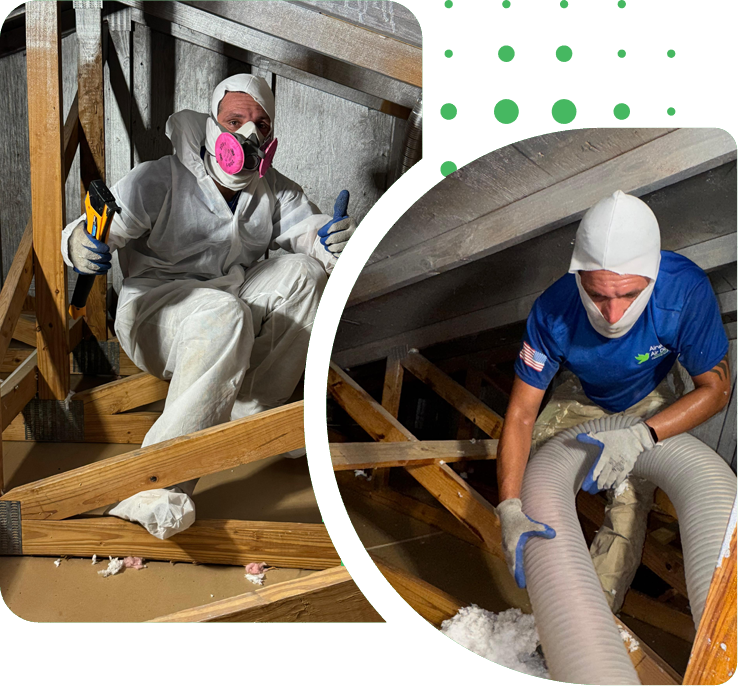
Air Filtration Solutions for Cleaner, Healthier Air
At Airwayz, we know that clean indoor air is essential to your family’s health and comfort. That’s why we provide advanced, tailored Air Filtration Solutions that reduce allergens, pollutants, and airborne particles helping you breathe better every day. Whether you're dealing with asthma, dust buildup, or simply want to improve indoor air quality, our expert team offers reliable, high-efficiency systems designed to suit your home or business

Contact Us
Reach out by phone or fill out our quick form. Our team is ready to answer your questions and understand your needs.

Receive a Quote
We’ll provide a clear, no-obligation quote based on your home and the service required—no hidden fees.

Schedule & Get It Done
Choose a time that works for you. Our experts arrive on time, complete the job efficiently, and leave your home cleaner and safer.

Years of
Experience
Airwayz
Why Choose Airwayz?
Personalized Project Management
You get direct support from our team throughout the entire process.
Clear Timelines
No surprises. We show up on time and finish as promised.
Licensed Professionals
Every technician is certified and trained to deliver safe, lasting results.
Local Experience
We understand Florida’s unique air quality challenges, high humidity, and building standards - and we tailor our solutions accordingly.
Related Articles
Palm Coast’s Best Air Duct Cleaning & Insulation Provider: Airwayz Air Duct Services
Identifying Sources Of Indoor Air Contaminants
People Also Ask
For asthmatics in Palm Coast and Flagler County, the best air purifier is one with a true HEPA filter to capture airborne triggers like dust, pollen, and pet dander. Look for a unit with a high CADR rating for your room size, as this ensures efficient air turnover. Activated carbon filters are also beneficial for removing odors and chemical vapors that can irritate lungs. Avoid purifiers that produce ozone, as this can worsen asthma symptoms. For more detailed guidance, Airwayz Duct and Insulation recommends reading our internal article How Air Purifiers Can Help Reduce Asthma Symptoms, which provides specific insights on reducing asthma triggers through air purification.
Yes, an air purifier can be helpful for managing COPD by removing airborne irritants like dust, pollen, and pet dander. Cleaner air reduces the strain on your lungs and can lower the frequency of symptom flare-ups. For residents in Palm Coast and Flagler County, where humidity and seasonal allergens are common, using a high-efficiency particulate air (HEPA) purifier is a practical step. For more tailored advice on improving indoor air quality, our article How Air Purifiers Can Help Reduce Asthma Symptoms offers additional insights on how filtration systems support respiratory health. Airwayz Duct and Insulation recommends pairing an air purifier with regular duct cleaning to minimize pollutant buildup in your home.
For individuals undergoing chemotherapy, selecting an air purifier with a HEPA filter is critical to reduce airborne particles, allergens, and potential pathogens. Chemo patients often have weakened immune systems, making clean air essential. Look for a unit with a true HEPA filter, a high CADR rating, and activated carbon to capture VOCs. For residents in Palm Coast and Flagler County, Airwayz Duct and Insulation recommends pairing your purifier with a clean duct system to maximize efficiency. For deeper insight, we suggest reading our internal article titled Benefits Of An Air Purifier For Respiratory Health to understand how air purification supports respiratory health during treatment. Always consult your medical team before making changes to your environment.
Yes, air purifiers can be a highly effective tool for managing pollen allergies, especially when used alongside other preventative measures. The key is selecting a unit with a true HEPA filter, which is designed to capture 99.97% of airborne particles as small as 0.3 microns, including common pollen grains. For the best results in your home, place the purifier in the bedroom where you spend a significant amount of time. It is also important to keep windows and doors closed to prevent new pollen from entering. For a comprehensive strategy to improve your indoor air quality, we recommend reading our internal article titled A Breath Of Fresh Air For Your Entire Household, which discusses whole-home solutions. Airwayz Duct and Insulation can also help assess your home's air filtration needs.
For homeowners in Palm Coast and Flagler County, finding reliable air filtration solutions reviews is key to improving indoor air quality. Many reviews highlight the importance of matching a filter to your specific HVAC system and household needs, such as allergy concerns or pet dander. High-quality options like MERV-13 filters or HEPA-rated purifiers often receive strong feedback for trapping fine particles. However, professional installation and system assessment are equally critical for optimal performance. Airwayz Duct and Insulation recommends reading our detailed guide, Palm Coast’s Best Air Duct Cleaning & Insulation Provider: Airwayz Air Duct Services, which explains how proper duct cleaning and insulation work alongside air filtration to maximize efficiency. Always verify that any review you read addresses local humidity and dust conditions common to our area.
For homeowners in Palm Coast and Flagler County, selecting an air filtration system is a key step toward improving indoor air quality. The most effective systems are often whole-home units that integrate with your existing HVAC setup, such as high-MERV rated filters or electronic air cleaners. These systems capture a wide range of particles, from dust and pollen to mold spores. To choose the right system, it is important to first understand what contaminants are present in your home. Airwayz Duct and Insulation recommends reviewing our internal article titled Identifying Sources Of Indoor Air Contaminants to help you identify specific sources before investing in equipment. Proper filtration, combined with regular duct maintenance, creates a healthier living environment for your family.