
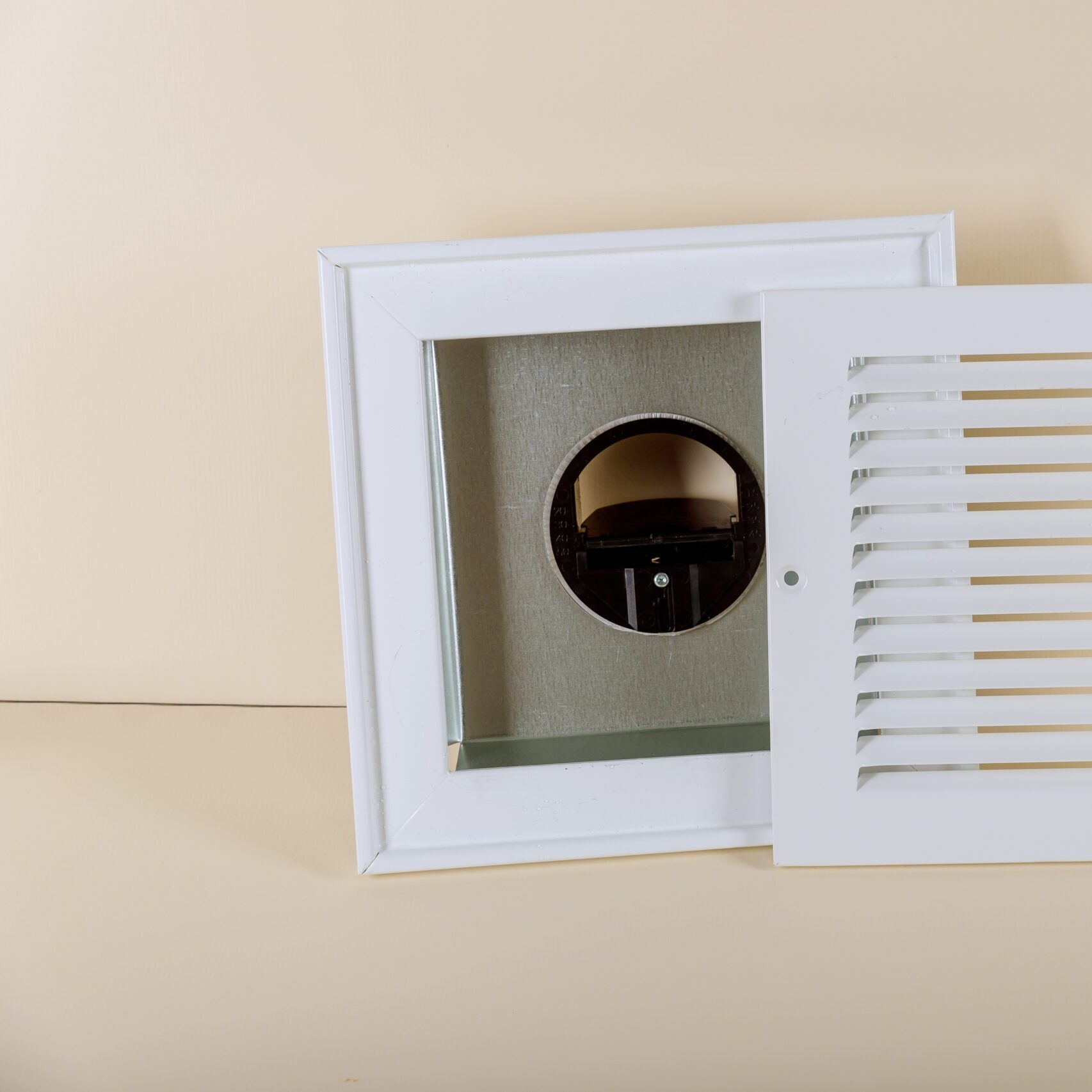
A Clean HVAC System Is A Happy HVAC System
Let’s be honest for a second. We spend a crazy amount of time thinking about the air outside—is it too humid, is pollen trying to murder our sinuses—but we almost never think about the air inside our homes. That is, until you notice the dust bunnies staging a coup on your shelves a day after cleaning, or your energy bill starts creeping up for no apparent reason, or someone in the house just can’t seem to shake that allergy cough. Sound familiar? We see it all the time. It’s usually your home’s hidden circulatory system—your air ducts and insulation—whispering (or sometimes shouting) for a little attention.
Think of your ductwork as the lungs of your house. It breathes in and out, circulating conditioned air from your HVAC system to every room. Now, what happens if your own lungs were full of dust, pet dander, mold spores, and the ghost of last year’s pumpkin spice candle? You wouldn’t be operating at peak performance. Your house feels the same way. And that fluffy stuff in your attic? That’s your home’s sweater. If it’s thin, matted, or missing, your hard-earned cooled or heated air is just escaping into the great outdoors, and your AC unit is working overtime to compensate. It’s like trying to cool your living room with the front door wide open in July. Not exactly efficient, right?
So, What’s Actually Going On in There?
We get it. Ductwork is out of sight, and attic insulation is, well, up in a hot, potentially spider-filled attic. It’s easy to ignore. But ignoring it has real consequences for your comfort, your wallet, and even your health. Let’s break down the usual suspects.
Your Air Ducts: The Hidden Highway
Over years, your air ducts accumulate a staggering amount of debris. Every time your system kicks on, it’s pulling in household air and sending it through these channels. That air carries:
- Dust and dirt (the regular kind)
- Pet hair and dander (a major allergen)
- Pollen and outdoor contaminants
- Mold spores (especially in our humid Florida climate)
- Construction debris (if your home is newer or you’ve had renovations)
- Even pest droppings or insect casings (sorry, it’s true)
This gunk builds up on the inner walls of your ducts. Then, every breeze from your vent redistributes a little of it back into your living space. So you dust on Saturday, and by Monday, it looks like a tiny sandstorm blew through. Frustrating, isn’t it? Beyond the cleaning frustration, this contaminated airflow can aggravate allergies and asthma, create musty odors, and force your HVAC system to work harder to push air through the gunk, reducing its efficiency and lifespan.
Your Insulation: The Silent Superhero (or Villain)
Meanwhile, up in the attic, your insulation is on a solo mission to maintain your home’s temperature. Its job is to provide resistance to heat flow. In summer, it keeps the brutal Florida heat from radiating down into your rooms. In winter (our mild ones, anyway), it keeps your cozy warmth from escaping upward.
But insulation doesn’t last forever. It can:
- Settle and compact over time, losing its R-value (its thermal resistance rating).
- Get trampled or displaced during repairs or installations.
- Become damp or moldy from roof leaks or humidity, which destroys its effectiveness and creates a health hazard.
- Simply be insufficient or incorrectly installed from the start.
Old or bad insulation is a money pit. Your HVAC system runs longer cycles to maintain temperature, spiking your energy costs. You might notice hot and cold spots throughout your house, and your system’s components wear out faster. It’s a slow drain on your comfort and your bank account.
The Dynamic Duo: Why Cleaning and Insulation Work Together
Here’s a pro tip we share with all our Palm Coast and St. Augustine neighbors: addressing your air ducts and your insulation as a whole house approach is a game-changer. It’s not an either/or situation.
Think of it this way: what good is perfectly clean, efficient airflow if it’s pumping into a space that can’t hold the temperature? And what’s the point of a super-insulated attic if the air circulating below is full of contaminants? They are two sides of the same coin for indoor air quality and home efficiency.
When we do a whole house assessment at Airwayz Air Duct and Insulation, we look at the complete picture. Maybe your dryer vent is also clogged (a major fire hazard, FYI), adding moisture and lint to the equation. Perhaps your air vent cleaning needs are more urgent than your insulation. Our goal is to find the right balance for your specific home and budget to give you the biggest bang for your buck.
Cutting Through the Confusion: What Does This All Really Cost?
Alright, let’s talk about the elephant in the room: the price. We know “how much does it cost?” is the first question everyone has. And anyone who gives you a firm quote over the phone without seeing your home… well, let’s just say we’d be skeptical, too.
The truth is, an affordable solution is one that solves your actual problems without unnecessary upsells. The cost depends on the size of your home, the accessibility of your ductwork, the type and amount of insulation needed, and the current condition of everything. To give you a realistic idea, here’s a breakdown of what influences the investment.
| Factor | How It Affects Price for Duct Cleaning | How It Affects Price for Insulation |
|---|---|---|
| Home Size | More vents & longer duct runs = more time & labor. | More square footage = more material. Attic accessibility is a huge factor. |
| Level of Contamination | Heavy buildup from pets, smoking, or neglect may require more intensive methods. | Removing old, damaged, or moldy insulation adds labor and disposal costs. |
| Duct Accessibility | Easy-access vents in an open attic are simpler. Tight crawls spaces or complex designs take longer. | A cramped, low-clearance attic is more labor-intensive to work in than a spacious one. |
| Type of Service | Basic ac duct cleaning vs. a full sanitization treatment or dryer vent cleaning add-ons. | Material choice (fiberglass batts, blown-in cellulose, spray foam) has a wide price range. |
| Your Location | Yes, it matters. Service cost in Palm Coast might differ slightly from St. Augustine based on travel and local factors. |
The best way to get a clear, honest price is a free, in-person evaluation. We’ll climb in your attic, check your vents, and give you a straightforward plan. No surprises.
Why “Near Me” Searches Need a Second Look
We’ve all done it. You finally get motivated to deal with this stuff and you type “air duct cleaning services near me” or “nearest insulation company” into your phone. IMO, this is a great first step, but it’s just the beginning. That search will give you a list, but it won’t tell you who is reputable, who uses proper equipment, and who will actually solve your problem instead of just making a quick sale.
The industry, sadly, has a lot of “blow-and-go” operators. They’ll show up with a weak, portable vacuum and a brush, make a lot of noise, and maybe knock some dust loose—but they won’t achieve a deep, thorough cleaning. For insulation, you want someone who does more than just throw some batts over the old stuff.
When you’re evaluating, ask questions:
- “Do you use a truck-mounted HEPA vacuum system?” (This is the industry standard for powerful, contained cleaning).
- “Can you show me before and after photos or even a video of my ducts?”
- “Will you do a pre-inspection and a post-inspection?”
- “For insulation, are you performing a calculation for my specific zone, or just guessing?”
- “Are you licensed and insured for this work in Florida?”
This is where choosing a local, established company like ours in Palm Coast, Florida makes all the difference. We’re not a national franchise with an 800-number; we’re your neighbors. Our reputation in Flagler County and St. Augustine is everything to us. We use commercial-grade equipment and follow National Air Duct Cleaners Association (NADCA) standards because doing it right is the only way we know.
Your Top Questions, Answered (No Fluff)
We hear these all day, every day. Let’s tackle them head-on.
1. How often should I really get my air ducts cleaned?
NADCA recommends every 3 to 5 years. But we say it depends on your lifestyle. Have pets, allergies, smokers, or recent renovations? Every 2-3 years might be smart. Live alone in a newer home with no pets? You might stretch to 5. The best sign is visible dust blowing from vents or a persistent musty smell when the AC runs.
2. Will cleaning my air ducts lower my energy bill?
It can contribute to efficiency, but it’s not a magic bullet. A heavily clogged system has to work harder. Cleaning removes the restriction, allowing air to flow freely. For real energy savings, pairing duct cleaning with updated insulation is the powerhouse move. The insulation does the heavy lifting on temperature retention, and the clean ducts ensure your HVAC doesn’t strain.
3. What’s the best type of insulation for my attic?
There’s no single “best” type—it’s about your home, budget, and goals. Blown-in cellulose is great for covering existing insulation and filling nooks. Fiberglass batts are cost-effective for new construction or open attics. Spray foam offers the highest R-value and air sealing but at a higher cost. We help you weigh the pros and cons to find the right fit.
4. Is this something I can DIY to save money?
We appreciate the DIY spirit, truly. But for these tasks, professional equipment and expertise are crucial. Renting a weak vacuum from a hardware store won’t touch what a truck-mounted system can. Improper insulation installation (like blocking soffit vents) can cause moisture damage and void warranties. Sometimes, saving money upfront costs you more later in repairs and inefficiency :/.
Making the Call for a Healthier, Happier Home
So, where does this leave us? Hopefully, seeing your home’s hidden systems in a new light. It’s not about fear or upselling; it’s about maintenance. Just like you change the oil in your car or clean your gutters, giving some love to your ducts and insulation is proactive care for your biggest investment—your home.
It’s about breathing easier, literally and figuratively. It’s about dusting less and relaxing more. It’s about watching your energy bill stabilize and knowing your home isn’t working against you. That’s the peace of mind we want for every homeowner in our community.
If any of this resonated with you—the endless dust, the weird hot/cold rooms, the sneezing fits that only happen at home—it might be time for a professional set of eyes. Don’t just take our word for it; get the facts for your specific house.
Why not start with a conversation? Give us a call at Airwayz Air Duct and Insulation here in Palm Coast. We’ll listen to what you’re experiencing, answer your questions with zero pressure, and if it makes sense, schedule a time to come take a look. We’re not just selling a service; we’re helping you build a more comfortable, efficient, and healthy home. And honestly, that’s a mission we can all get behind. Let’s get your house feeling like a home again.
People Also Ask
Regular professional HVAC cleaning is highly recommended for both health and efficiency. Over time, systems accumulate dust, pollen, mold spores, and other debris, which are then circulated throughout your home. This can significantly degrade indoor air quality, potentially aggravating allergies and respiratory issues. A clean system also operates more efficiently, reducing energy consumption and extending the equipment's lifespan. We advise scheduling a cleaning, especially if you notice dust blowing from vents, unusual odors, or a spike in energy bills. For a deeper look at why this matters, see our internal article Because The Air You Breathe Should Be Impeccable.. It's a key part of proactive home maintenance.
The $5000 rule in HVAC is a guideline used to decide whether to repair or replace an existing air conditioning system. It suggests that if the cost of a needed repair multiplied by the age of the unit (in years) exceeds $5000, replacement is often the more economical long-term choice. For example, a $1000 repair on a 10-year-old unit (1000 x 10 = 10,000) would point toward replacement. This rule helps homeowners weigh the investment in an old, potentially inefficient system against the benefits of a new, reliable, and energy-efficient model. It factors in rising energy costs, the likelihood of future repairs, and the improved performance of modern systems, providing a useful benchmark for a significant financial decision.
A cleanroom HVAC system is a highly specialized environmental control system designed to maintain extremely low levels of airborne particulates, along with precise regulation of temperature, humidity, and air pressure. Unlike standard systems, it uses a combination of high-efficiency particulate air (HEPA) or ultra-low penetration air (ULPA) filters, often placed at the ceiling, to provide unidirectional, laminar airflow that sweeps contaminants toward the floor for removal. The system features significantly higher air change rates, sometimes hundreds of times per hour, to ensure constant purification. It is engineered to maintain positive or negative pressure differentials relative to adjacent spaces to prevent cross-contamination. This level of control is critical for industries like semiconductor manufacturing, pharmaceuticals, and biotechnology, where even microscopic particles can compromise product integrity.
A standard residential HVAC system does not actively clean air in the way a dedicated air purifier does. Its primary function is to condition air—heating or cooling it—and circulate it throughout your home. However, it does provide a basic level of filtration. As air passes through the system, the furnace or air handler filter captures larger particles like dust, pollen, and pet dander. The effectiveness depends entirely on the filter's MERV rating; basic fiberglass filters protect the equipment, while higher-rated pleated filters can improve indoor air quality. For true air cleaning, additional systems like UV lights or HEPA filtration are needed. Importantly, a clean, sealed duct system is foundational for any air quality effort, as leaks can pull in contaminants from attics or crawl spaces. For a deeper look at how system integrity impacts home safety, see our internal article Get Your Home “Hurricane Ready” From The Inside Out: Clean Ducts For A Sealed-Up Home.