
Years of
Experience
 Airwayz
 Airwayz
Why Choose Airwayz in Melbourne?
Personalized Project Management
You receive direct support and updates from our team from start to finish.
Clear Timelines
We complete every project on schedule with transparent communication.
Licensed Professionals
Experienced and certified technicians ensure safe, accurate system evaluations.
Local Experience
We understand Melbourne’s humidity, coastal air conditions, and ventilation challenges allowing us to tailor each solution precisely.
Testimonials
Our Clients Feedback
Olivia .C
Ethan .B
Sophia .N
Our Services
Complete Indoor Air & Comfort Solutions
Everything your home or business needs for cleaner air, better efficiency, and year-round comfort.

Air Filtration Solutions
Breathe easier with deep-cleaned ducts that reduce allergens and improve airflow throughout your entire home.
READ MOREAir Duct Repair
Fix damaged ductwork to restore proper air circulation and increase your HVAC system’s efficiency and comfort.
READ MORE

Air Duct Cleaning
Remove accumulated dust, allergens, and debris to improve indoor air quality and boost your HVAC system’s efficiency.
READ MOREAir Duct Replacement
Upgrade old or damaged ducts for better air quality, lower energy bills, and consistent indoor temperatures.
READ MORE
AC Installation
Stay cool with modern AC systems designed for high efficiency, energy savings, and long-term home comfort.
READ MORE
Dryer Vent Cleaning
Remove lint buildup and improve airflow to reduce fire risk and extend your dryer’s performance and life.
READ MORE
Dryer Vent Replacement
Replace unsafe or outdated vents for a safer, more efficient dryer and improved indoor air quality.
READ MORE
Dryer Vent Installation
Get professional dryer vent installation that ensures proper airflow, safety, and long-term system efficiency.
READ MORE
Blow-In Insulation
Enhance home comfort and energy savings with high-performance insulation installed quickly and mess-free in your attic.
READ MORE
Insulation Removal
Safely remove old or damaged insulation to eliminate allergens, pests, and moisture before upgrading your space.
READ MORE
Air Sealing
Seal leaks and gaps to stop energy loss, lower bills, and make your home more comfortable year-round.
READ MORE
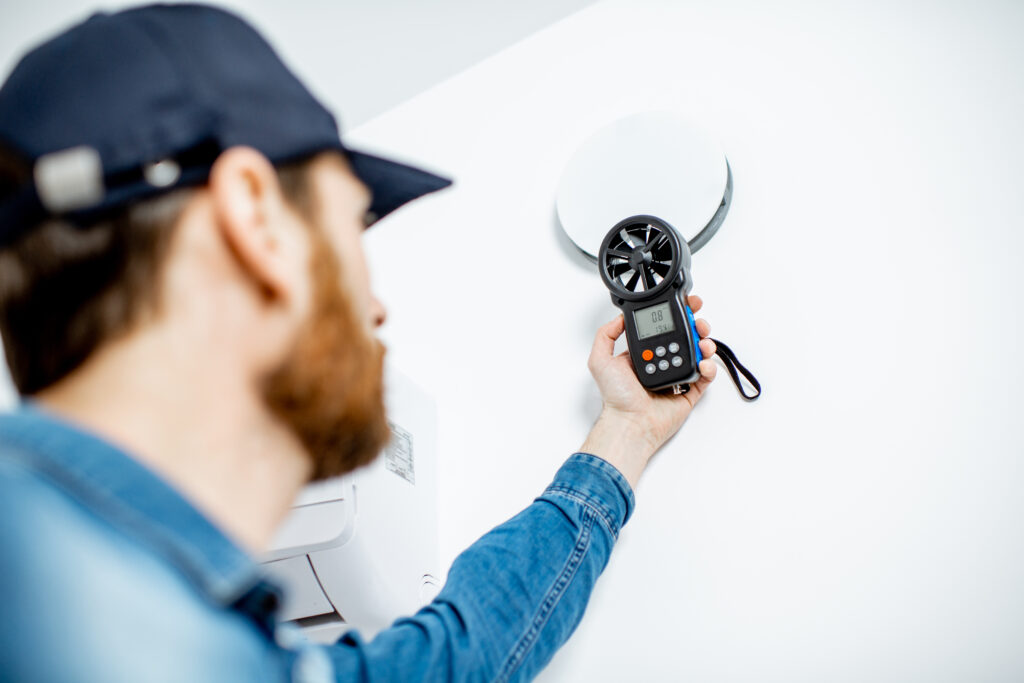
Airflow Check
Ensure balanced, efficient airflow throughout your home to improve comfort, air quality, and HVAC performance.
READ MORE
UV Light Installation
Protect your home’s air with UV lights that reduce bacteria, mold, and allergens in your duct system.
READ MORE
People Also Ask
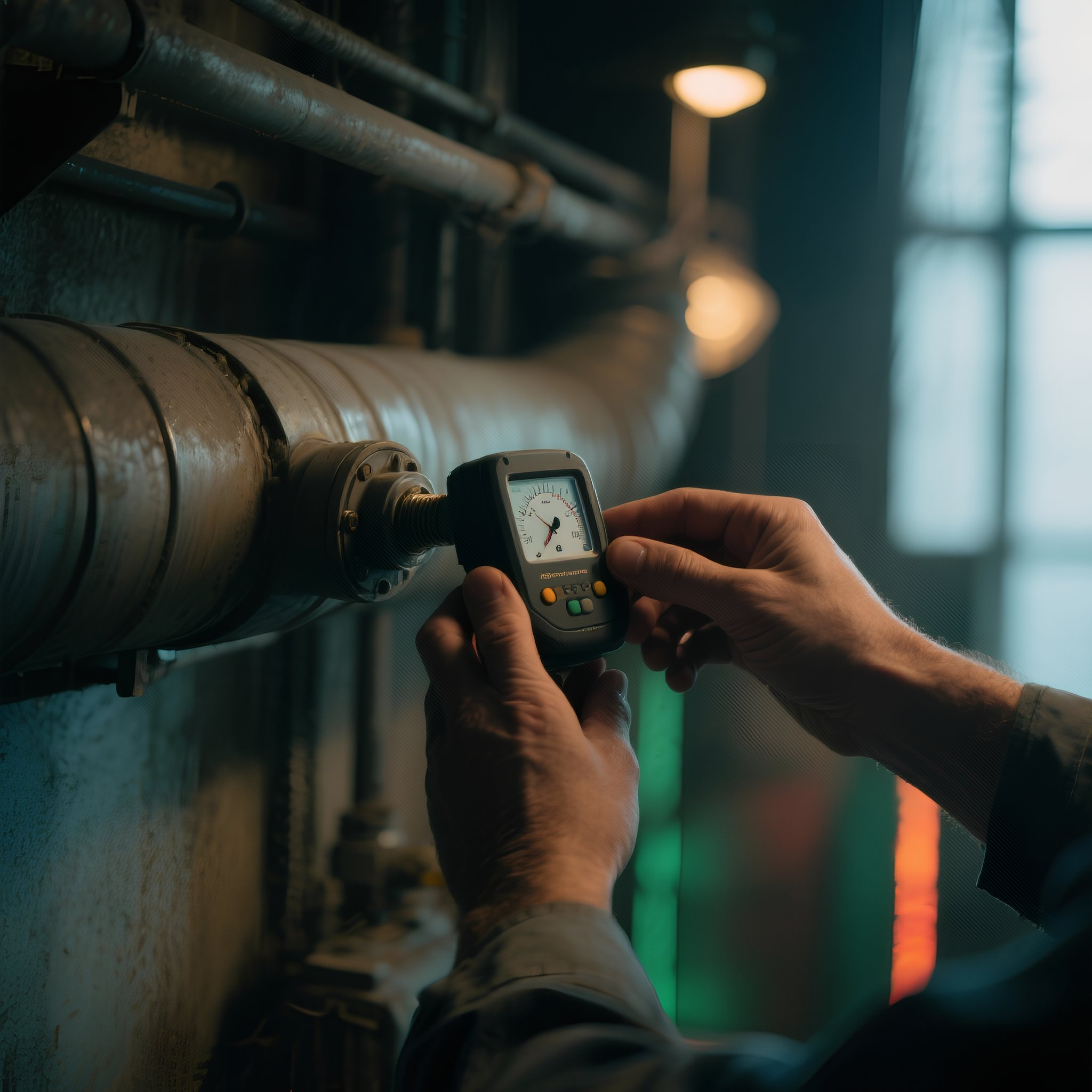
To check for air flow in a residential or commercial HVAC system, start by feeling for air coming from supply vents in each room. A significant temperature difference or weak airflow indicates a potential problem. Use an anemometer to measure the actual velocity in feet per minute (FPM) at the registers. Compare readings across the house; inconsistent flow often points to ductwork issues like leaks, blockages, or improper sizing. Ensure all vents are open and unobstructed by furniture or drapes. Inspect the air filter—a dirty filter is a common culprit for reduced airflow. For a comprehensive diagnostic procedure, including checking static pressure and duct integrity, refer to our detailed guide, Air-Flow Check.
While Melbourne generally enjoys good air quality compared to many global cities, it is not immune to air pollution. Key concerns include seasonal spikes from bushfire smoke, which can significantly elevate particulate matter (PM2.5) levels, and wintertime wood heater smoke in some suburbs. Traffic emissions also contribute to nitrogen dioxide levels in urban corridors. For residents, especially those with respiratory conditions, these periodic events can pose health risks. Maintaining impeccable indoor air quality becomes crucial during such external pollution events. Effective HVAC maintenance, including regular duct cleaning and using high-grade filters, is a professional standard to protect indoor environments, a principle detailed in our internal article Because The Air You Breathe Should Be Impeccable..