
 Testimonials
 Testimonials
Our Clients Feedback
Olivia .C
Ethan .B
Sophia .N
Our Services
Complete Indoor Air & Comfort Solutions
Everything your home or business needs for cleaner air, better efficiency, and year-round comfort.

Air Filtration Solutions
Breathe easier with deep-cleaned ducts that reduce allergens and improve airflow throughout your entire home.
READ MOREAir Duct Repair
Fix damaged ductwork to restore proper air circulation and increase your HVAC system’s efficiency and comfort.
READ MORE

Air Duct Cleaning
Remove accumulated dust, allergens, and debris to improve indoor air quality and boost your HVAC system’s efficiency.
READ MOREAir Duct Replacement
Upgrade old or damaged ducts for better air quality, lower energy bills, and consistent indoor temperatures.
READ MORE
AC Installation
Stay cool with modern AC systems designed for high efficiency, energy savings, and long-term home comfort.
READ MORE
Dryer Vent Cleaning
Remove lint buildup and improve airflow to reduce fire risk and extend your dryer’s performance and life.
READ MORE
Dryer Vent Replacement
Replace unsafe or outdated vents for a safer, more efficient dryer and improved indoor air quality.
READ MORE
Dryer Vent Installation
Get professional dryer vent installation that ensures proper airflow, safety, and long-term system efficiency.
READ MORE
Blow-In Insulation
Enhance home comfort and energy savings with high-performance insulation installed quickly and mess-free in your attic.
READ MORE
Insulation Removal
Safely remove old or damaged insulation to eliminate allergens, pests, and moisture before upgrading your space.
READ MORE
Air Sealing
Seal leaks and gaps to stop energy loss, lower bills, and make your home more comfortable year-round.
READ MORE
Airflow Check
Ensure balanced, efficient airflow throughout your home to improve comfort, air quality, and HVAC performance.
READ MORE
UV Light Installation
Protect your home’s air with UV lights that reduce bacteria, mold, and allergens in your duct system.
READ MORE
Related Articles
People Also Ask
Poor airflow in a duct system is a common issue with several clear indicators. A primary sign is inconsistent temperatures between rooms, where some areas feel stuffy while others are too cold. You may also notice weak airflow from vents, even when the system is running at full capacity. Other signs include a noticeable increase in dust accumulation around registers, unusually high energy bills due to system strain, and strange whistling or rattling noises from the ducts, which can indicate leaks or blockages. Persistent musty odors can also signal stagnant air and potential mold growth within the ductwork. Addressing these signs promptly is crucial for maintaining system efficiency and indoor air quality.
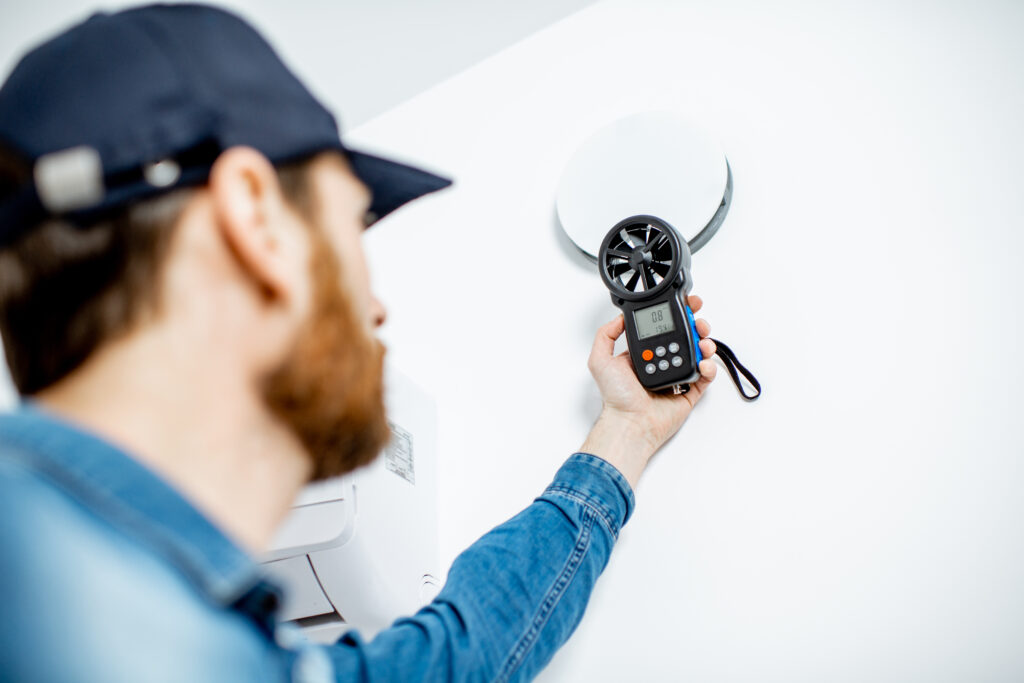
To check for air flow in a residential or commercial HVAC system, a professional technician will typically use a combination of methods. The most common approach is to use an anemometer or a flow hood to measure air velocity directly at supply and return vents. They will also perform a visual inspection of the ductwork for any obvious obstructions, leaks, or damage that could impede airflow. Balancing dampers are adjusted to ensure even distribution throughout the system. A critical part of this process is comparing the measured airflow to the system's design specifications. For a detailed, step-by-step guide on performing a comprehensive system assessment, we recommend reviewing our internal resource, Air-Flow Check. Proper airflow is essential for system efficiency, indoor air quality, and equipment longevity.
The 2-foot rule for ductwork is a common industry guideline for installing flexible duct. It states that flexible duct runs should be kept as straight as possible for at least two feet from the supply plenum or air handler boot before making any bends. This initial straight section allows the turbulent, high-velocity air coming from the equipment to stabilize and develop a smoother, more laminar flow pattern. Following this rule reduces excessive air resistance, static pressure, and noise. It helps prevent the duct from collapsing or kinking at the connection point, which can severely restrict airflow and drastically reduce system efficiency, leading to higher energy costs and uneven heating or cooling. Proper support and avoiding sharp turns are also critical components of this best practice.
The amount of airflow from your vents depends on your HVAC system's size and design. A general rule is that you need 400 to 600 cubic feet per minute (CFM) per ton of air conditioning capacity. For a typical 3-ton residential system, that translates to roughly 1,200 to 1,800 CFM total, distributed across all vents. You can perform a simple test by holding a tissue near a vent; it should blow vigorously and steadily. Consistently weak airflow often indicates issues like a clogged air filter, blocked ductwork, or problems with the blower motor. For optimal performance and energy efficiency, it's best to have a professional conduct an airflow measurement and balance your system.
Maintaining proper HVAC airflow is a critical component of system efficiency and indoor air quality in Ocala's climate. A professional air flow check involves measuring the cubic feet per minute (CFM) at supply and return vents, inspecting the ductwork for leaks or blockages, and ensuring the blower motor and evaporator coil are clean. Restricted airflow can cause the system to overwork, leading to higher energy bills, uneven cooling, and premature component failure. For a detailed look at the importance of this service in our local area, please refer to our internal article Air-Flow Check in Ocala, FL. Regular checks, especially before the peak summer season, are a key part of proactive system maintenance.
Ocala refrigeration and air conditioning services are essential for maintaining indoor comfort and system efficiency in both residential and commercial settings. Professional HVAC technicians in the Ocala area typically handle installation, maintenance, and repair of systems, ensuring they operate at peak performance. Regular maintenance, such as cleaning coils and checking refrigerant levels, is crucial for energy efficiency and preventing costly breakdowns. It is important to choose licensed and insured contractors who follow local building codes and EPA regulations for refrigerant handling. Proper insulation and duct sealing are also key components that work alongside your HVAC system to improve overall air quality and reduce energy costs.