
Years of
Experience
 Airwayz
 Airwayz
Why Choose Airwayz in Ormond Beach?
Personalized Project Management
We guide you through the entire process with dedicated support and clear communication.
Clear Timelines
Our team completes every Air-Flow Check on schedule with consistent updates.
Licensed Professionals
Certified experts ensure your HVAC system is evaluated accurately and safely.
Local Experience
We understand Ormond Beach’s humidity, coastal air conditions, and airflow challenges and tailor solutions to fit your environment.
Testimonials
Our Clients Feedback
Olivia .C
Ethan .B
Sophia .N
Our Services
Complete Indoor Air & Comfort Solutions
Everything your home or business needs for cleaner air, better efficiency, and year-round comfort.

Air Filtration Solutions
Breathe easier with deep-cleaned ducts that reduce allergens and improve airflow throughout your entire home.
READ MOREAir Duct Repair
Fix damaged ductwork to restore proper air circulation and increase your HVAC system’s efficiency and comfort.
READ MORE

Air Duct Cleaning
Remove accumulated dust, allergens, and debris to improve indoor air quality and boost your HVAC system’s efficiency.
READ MOREAir Duct Replacement
Upgrade old or damaged ducts for better air quality, lower energy bills, and consistent indoor temperatures.
READ MORE
AC Installation
Stay cool with modern AC systems designed for high efficiency, energy savings, and long-term home comfort.
READ MORE
Dryer Vent Cleaning
Remove lint buildup and improve airflow to reduce fire risk and extend your dryer’s performance and life.
READ MORE
Dryer Vent Replacement
Replace unsafe or outdated vents for a safer, more efficient dryer and improved indoor air quality.
READ MORE
Dryer Vent Installation
Get professional dryer vent installation that ensures proper airflow, safety, and long-term system efficiency.
READ MORE
Blow-In Insulation
Enhance home comfort and energy savings with high-performance insulation installed quickly and mess-free in your attic.
READ MORE
Insulation Removal
Safely remove old or damaged insulation to eliminate allergens, pests, and moisture before upgrading your space.
READ MORE
Air Sealing
Seal leaks and gaps to stop energy loss, lower bills, and make your home more comfortable year-round.
READ MORE
Airflow Check
Ensure balanced, efficient airflow throughout your home to improve comfort, air quality, and HVAC performance.
READ MORE
UV Light Installation
Protect your home’s air with UV lights that reduce bacteria, mold, and allergens in your duct system.
READ MORE
Related Articles
People Also Ask
Poor airflow in a duct system can manifest through several clear signs. You may notice weak or inconsistent airflow from vents in certain rooms, while others feel strong. Rooms that are difficult to heat or cool, or significant temperature differences between floors, are key indicators. Unusual noises like whistling or rattling from the ducts can signal blockages or leaks. A noticeable accumulation of dust around vent registers shortly after cleaning points to debris circulating in the system. Furthermore, a sudden spike in energy bills often occurs as your HVAC system works harder to compensate for the inefficiency. These symptoms typically stem from issues like clogged filters, leaky or poorly designed ductwork, or blocked vents.
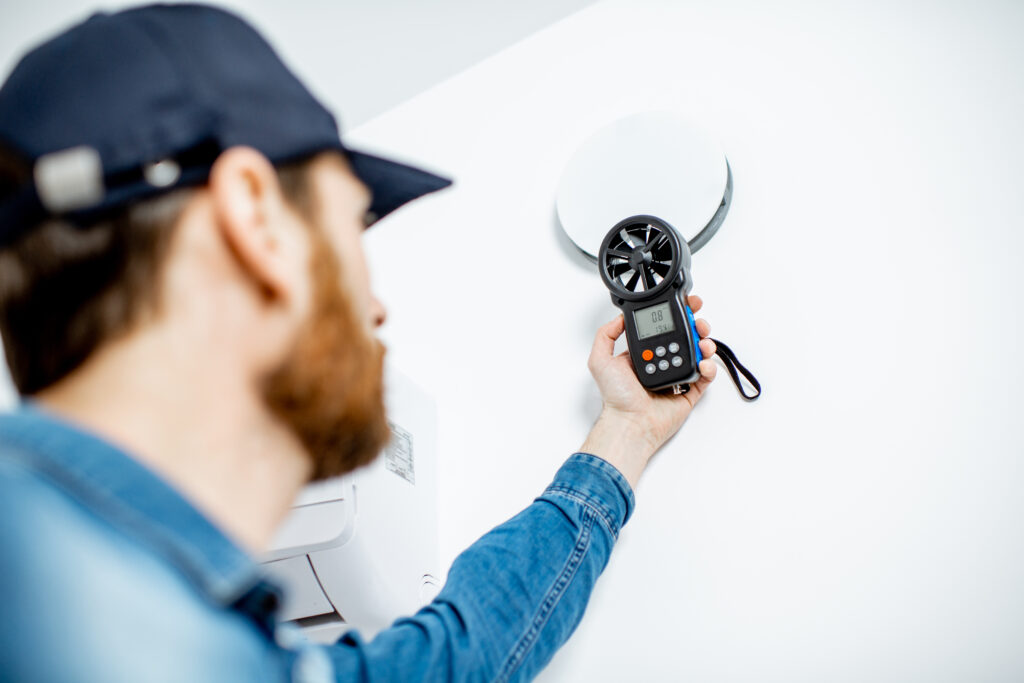
To check for air flow in your HVAC system, start by feeling for air coming from all supply vents. A noticeable lack of airflow indicates a potential issue. Next, inspect and replace dirty air filters, as they are a primary cause of restricted flow. Ensure all vents are fully open and unobstructed by furniture or drapes. Listen for unusual noises from the blower motor, which can signal problems. For a professional assessment, technicians often use specialized tools like anemometers to measure air velocity and manometers to check system pressure. Regular maintenance is key to efficiency. For a detailed guide on this process, refer to our internal resource Air-Flow Check.
Low airflow in an HVAC system manifests through several clear symptoms. Occupants may notice uneven temperatures between rooms, with some areas feeling stuffy or never reaching the desired comfort level. The system itself often runs longer cycles as it struggles to heat or cool the space, leading to increased energy bills. You might hear unusual whistling or rattling noises from the ducts. A significant indicator is weak airflow from the supply vents, which can be tested by holding a tissue—if it doesn't blow firmly, airflow is likely restricted. These issues often stem from clogged air filters, blocked registers, leaky ductwork, or a failing blower motor, all of which require professional assessment to restore efficiency and indoor air quality.
Low air flow in an AC system is often caused by clogged air filters, blocked vents, or issues with the blower fan. First, check and replace the air filter if it's dirty, as this is the most common and easily fixable cause. Ensure all supply and return vents are open and unobstructed by furniture or curtains. Inspect the ductwork for any visible leaks, kinks, or collapses that restrict airflow. If these steps don't resolve the issue, the problem may lie with the blower motor or a failing capacitor, which requires professional HVAC technician attention. Regular maintenance, including annual professional servicing, is crucial to prevent such airflow problems and maintain system efficiency and longevity.
A professional HVAC air flow check in Ormond Beach is a critical diagnostic service that ensures your heating and cooling system operates efficiently and safely. Technicians measure the volume of air moving through the ductwork, identify blockages, leaks, or imbalances, and verify that each room receives adequate airflow. This process is essential for maintaining indoor air quality, achieving consistent temperatures, and reducing energy costs. For a detailed look at the importance of this service in your local area, we recommend reading our internal article, Air-Flow Check in Ormond Beach, FL. Regular checks can prevent costly repairs and extend the lifespan of your entire HVAC system.