
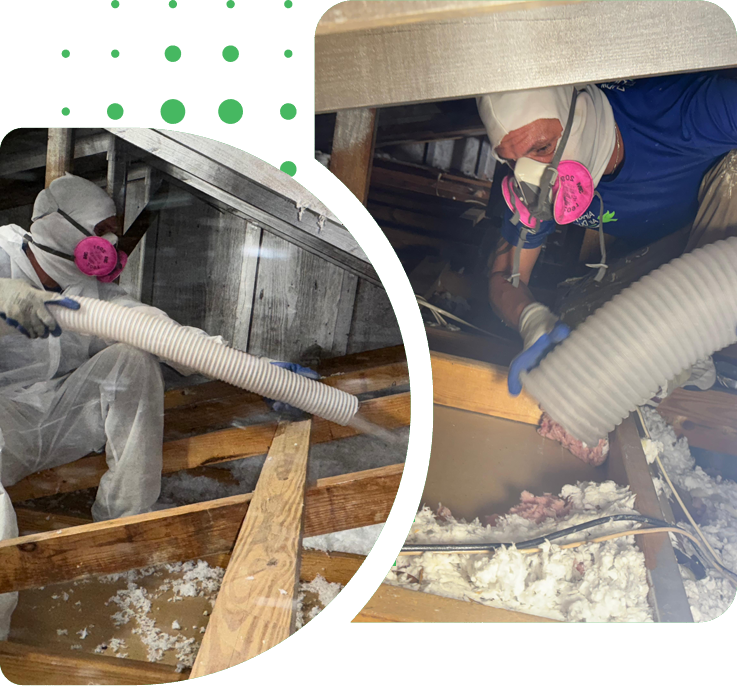
 Air-Flow Check
 Air-Flow Check
Air-Flow Check - Diagnose Issues. Optimize Comfort. Maximize Efficiency.
Uneven cooling? Weak airflow in certain rooms? Sky-high energy bills? A professional air-flow check by Airwayz can help identify exactly what's going wrong inside your HVAC system — and where valuable air is getting lost.We specialize in pinpointing hidden inefficiencies that affect performance, air quality, and comfort. Whether you're dealing with duct leaks, blockages, pressure imbalances, or poor air distribution, our air-flow check gives you the answers — and the solution.
Testimonials
Our Clients Feedback
Olivia .C
Ethan .B
Sophia .N

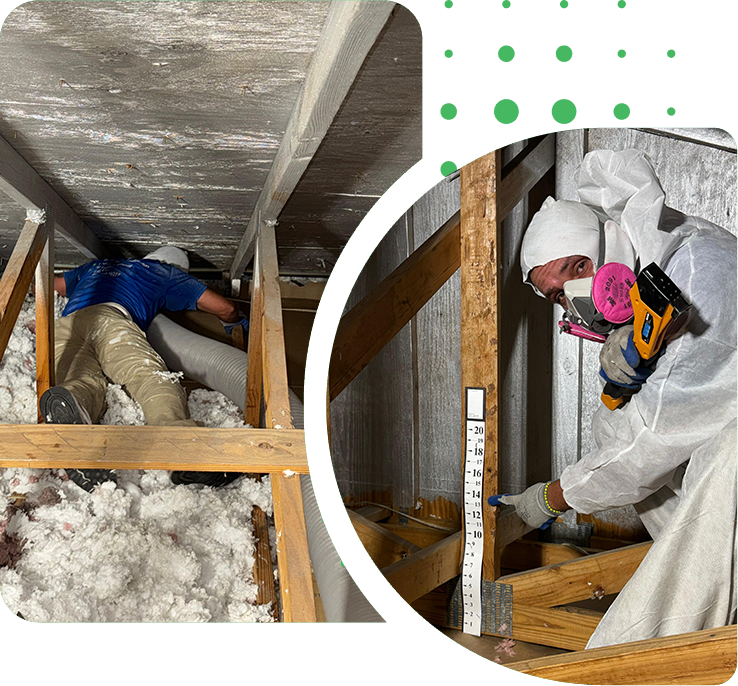
Airwayz
Why Choose Airwayz?
Personalized Project Management
You get direct support from our team throughout the entire process.
Clear Timelines
No surprises. We show up on time and finish as promised.
Licensed Professionals
Every technician is certified and trained to deliver safe, lasting results.
Local Experience
We understand Florida’s unique air quality challenges, high humidity, and building standards - and we tailor our solutions accordingly.
Related Articles
People Also Ask
To check air flow in a duct system, professionals use a combination of tools and methods. A primary instrument is the anemometer, which measures air velocity at supply and return vents. This data, combined with the known cross-sectional area of the duct, allows for calculating the cubic feet per minute (CFM) of airflow. Technicians also perform a visual inspection for obstructions, leaks, or damaged ductwork, and use a manometer to measure pressure differentials across filters and coils. Ensuring balanced airflow to all rooms is critical for system efficiency and comfort. For a detailed, step-by-step guide on this essential maintenance procedure, please refer to our internal resource, Air-Flow Check.
Driving with a faulty mass airflow (MAF) sensor is not recommended and can lead to significant vehicle issues. The MAF sensor is critical for engine management, measuring the air entering the engine so the computer can balance the fuel mixture. A bad sensor often causes a rich or lean fuel condition, resulting in symptoms like rough idling, stalling, poor acceleration, and a sudden drop in fuel economy. While the car may still operate, continued driving can damage the catalytic converter and oxygen sensors due to incorrect fuel mixtures, leading to very expensive repairs. For safety, performance, and to prevent further damage, it is best to have the sensor diagnosed and replaced promptly by a qualified technician.
An air flow test, also known as duct leakage testing, is a diagnostic procedure used to measure the airtightness of a building's HVAC ductwork. A specialized fan, called a duct blaster, is temporarily sealed into the system to pressurize or depressurize the ducts. Technicians then measure the airflow required to maintain a specific pressure, which reveals the volume of air leaking from the ducts. This test is crucial for identifying energy losses, as leaky ducts can significantly increase heating and cooling costs and compromise indoor air quality by drawing in contaminants from attics or crawl spaces. Professional testing ensures systems operate efficiently and meet modern energy codes.
Poor airflow in a duct system manifests through several clear signs. Occupants may notice uneven temperatures between rooms, with some areas feeling stuffy or never reaching the desired comfort level. Weak airflow from vents is a primary indicator, often accompanied by excessive dust buildup around registers or circulating in the air, suggesting leaks. Unusual noises like whistling or rattling from ducts can point to obstructions or pressure imbalances. A persistent musty odor may signal moisture issues from poor ventilation. Furthermore, a noticeable spike in energy bills often occurs as the HVAC system works harder to compensate. These symptoms typically point to problems like blocked filters, leaky or improperly sized ducts, or a failing blower motor, all of which require professional assessment.
An air flow check valve, also known as a backdraft damper, is a crucial component in HVAC ductwork. Its primary function is to allow air to flow in only one direction, preventing backflow. This is essential for maintaining proper ventilation, ensuring exhaust systems expel air outside without allowing it to re-enter, and improving overall system efficiency. In residential and commercial settings, these valves help maintain indoor air quality by preventing the entry of unwanted odors, contaminants, or unconditioned air. Proper installation and regular maintenance are vital, as a faulty check valve can lead to energy loss, pressure imbalances, and reduced HVAC performance.
An air flow meter for ducting, often called a duct-mounted airflow measurement station, is a critical tool for HVAC system balancing, energy auditing, and maintaining indoor air quality. These devices measure the volume of air moving through a duct in cubic feet per minute (CFM). Common types include pitot tubes, which measure differential pressure, and thermal dispersion sensors, which use temperature change. For accurate readings, they must be installed in a straight section of duct, away from elbows or dampers, as per ASHRAE standards. Proper use allows technicians to verify system performance, ensure ventilation rates meet code, and optimize energy efficiency by identifying leaks or blockages.
An air flow meter measures the volume of air moving through a duct in Cubic Feet per Minute (CFM). This is a critical metric in HVAC for ensuring proper system design, efficiency, and indoor air quality. Technicians use tools like anemometers or pitot tubes to take readings. Correct CFM is essential for balancing a system; too low can lead to poor ventilation and comfort issues, while too high can cause noise and energy waste. Proper measurement helps diagnose problems like clogged filters or undersized ducts and verifies that system performance matches the designed specifications for optimal operation and energy savings.