
The Professional-Grade Cleaning Your System Craves
Ever walked into a room in your own house and thought, “Wow, it smells like a gym sock decided to retire in here?” Or maybe you’ve noticed that your energy bill is creeping higher than your teenager’s data usage, but your house still has hot and cold spots like a poorly planned vacation? We feel you. More often than not, the silent culprit behind these domestic mysteries is something we don’t even see: our home’s air duct system and insulation. It’s the hidden circulatory system of our homes, and when it’s clogged or inefficient, everything suffers.
We’ve been in the business here in Palm Coast for a while now, and we can tell you that most folks don’t give their ducts a second thought until something goes noticeably wrong. But what if we told you that taking care of this unseen system is one of the most impactful things you can do for your comfort, your wallet, and even your health? Let’s pull back the curtain (or in this case, the vent cover) and have a real chat about what’s going on inside your walls and above your head.
The Unseen World Inside Your Ducts (It’s Not Pretty)
Let’s be honest for a second. We all love a clean house. We vacuum the carpets, dust the shelves, and scrub the counters. But we’re essentially polishing the outside of a car that’s got an engine full of old gunk if we ignore the ductwork. Every time your HVAC system kicks on, it’s pulling air through those ducts and distributing it to every room. What’s in that air? Well, over months and years, ducts collect a fascinatingly gross cocktail of:
- Dust and dirt from everyday living
- Pet dander (Fido’s shedding is a full-time job)
- Pollen and outdoor allergens
- Mold spores (especially in our humid Florida climate)
- Construction debris, and even pest droppings in some cases
This isn’t just a “yuck” factor. This gunk gets blown back into your living space, over and over. So if someone in your home is constantly battling allergies, or you can never seem to win the war on dust, your ducts might be the secret enemy. A professional air duct cleaning services tackles this head-on, using powerful equipment to scour the entire system clean. It’s not a magic cure-all, but for many homes, it’s a game-changer for air quality.
So, when does a simple cleaning become a necessity? Great question. If you see visible mold growth inside the ducts or on other components, find vermin infestations, or notice a massive amount of debris actually blowing out of your vents, it’s time. Also, if you’ve just completed a major renovation—trust us, drywall dust gets everywhere—a whole house duct cleaning is a brilliant idea to reset your indoor air.
Beyond the Ducts: The Dynamic Duo of Efficiency
Here’s where the plot thickens. Clean ducts are fantastic, but they’re only one part of the efficiency story. Think of your HVAC system as an athlete. Clean ducts mean it can breathe easily. But proper insulation is like giving that athlete the perfect pair of running shoes—it allows them to perform without wasting energy.
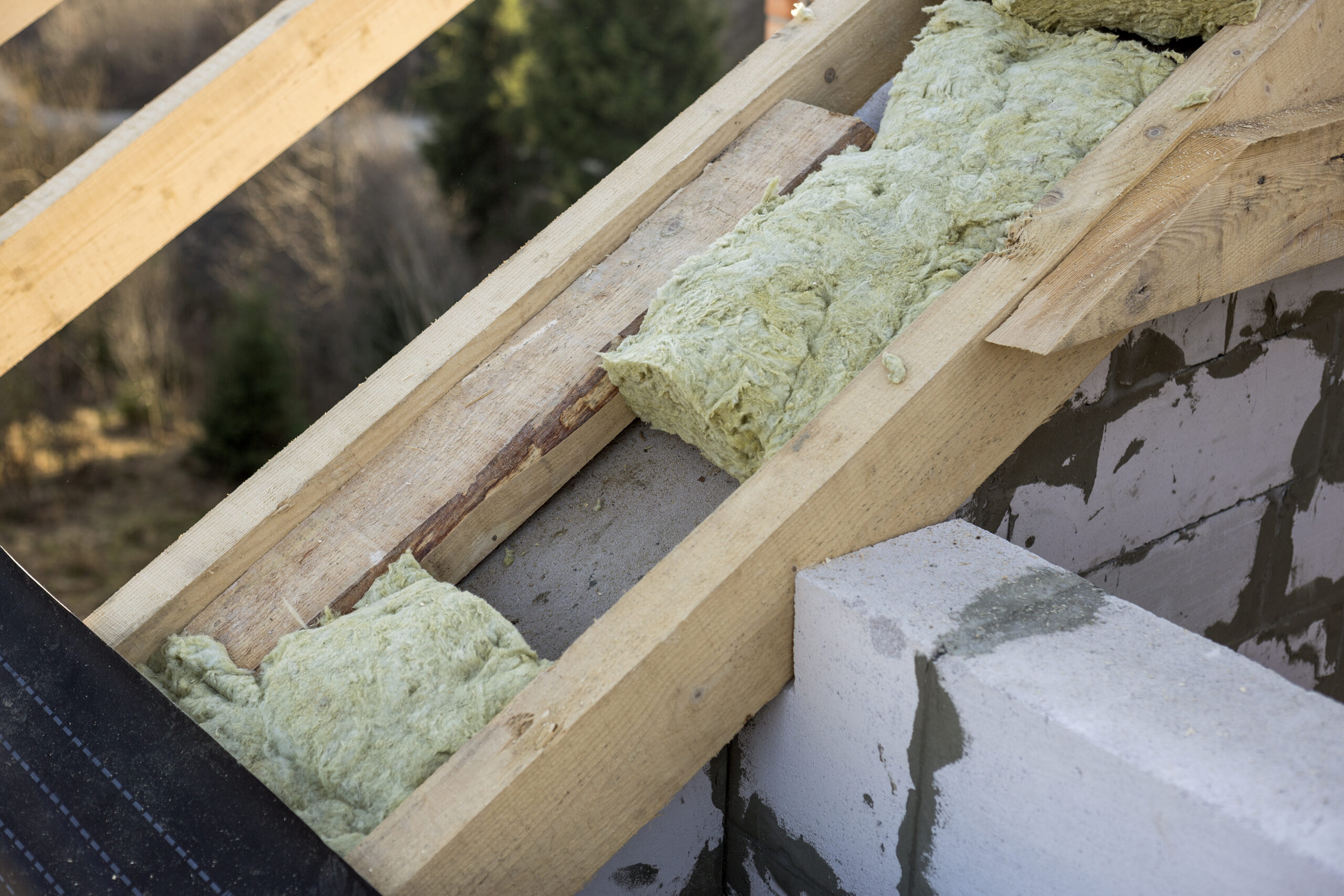
Your attic and wall insulation is your home’s thermal blanket. When it’s old, settled, or inadequate (a common sight in many older Palm Coast and St. Augustine homes), your cooled or heated air escapes like a sieve. Your AC works overtime, your bills skyrocket, and you’re left wearing a sweater in July because one room is an icebox. It’s a frustrating cycle.
We often see homes where folks invest in a brand-new, high-efficiency AC unit but pair it with 30-year-old attic insulation. It’s like putting a Formula 1 engine in a car with flat tires—you’re just not going to get the performance you paid for. Upgrading your insulation, particularly in the attic, is arguably the single most effective affordable upgrade for long-term energy savings. The cost upfront pays for itself by consistently lowering that monthly energy price.
The Forgotten Fire Hazard: Your Dryer Vent
Okay, let’s switch gears to something a bit more urgent. How often do you think about your dryer vent? Be honest. If you’re like most people, it’s “out of sight, out of mind.” But this is one area where neglect isn’t just inefficient; it’s downright dangerous.
Lint is incredibly flammable. When the vent hose leading outside gets clogged with it, heat builds up. This is a leading cause of house fires. It also makes your dryer run longer, wear out faster, and hike up your utility bills. A professional dryer vent cleaning isn’t just another service; it’s a critical safety check. We recommend it at least once a year, more if you have a large family. It’s a small cost for huge peace of mind.
Making Sense of Services & What They Really Do
We get it. The terminology can be confusing. Is ac duct cleaning the same as air vent cleaning? What exactly does a “whole-house” service include? Let’s break it down simply.
| Service | What It Actually Means | The Main Benefit |
|---|---|---|
| Air Duct Cleaning | A thorough cleaning of the supply and return air ducts, registers, grilles, diffusers, heat exchangers, and other components of your forced-air system. | Improved indoor air quality by removing dust, allergens, and debris from the circulation path. |
| Dryer Vent Cleaning | Cleaning the entire exhaust duct from the dryer to the exterior termination point, removing lint and debris buildup. | Fire hazard prevention and improved dryer efficiency, saving energy and wear on the appliance. |
| Insulation Upgrade/Install | Assessing and improving the thermal barrier in your attic (and sometimes walls) with materials like blown-in cellulose or fiberglass batts. | Major energy savings, elimination of hot/cold spots, and reduced strain on your HVAC system. |
| Whole-House Assessment | A comprehensive look at your home’s entire envelope and systems—ducts, insulation, vents—to identify the biggest opportunities for improvement. | A customized, prioritized plan to maximize comfort and efficiency, often combining services for the best result. |
When you’re looking for the nearest reputable company, don’t just search for “air duct cleaning near me” and pick the first ad. Look for a company that offers a full spectrum of services and is willing to do a proper assessment. Why? Because the best solution for your home might be a combination of things. At Airwayz Air Duct and Insulation in Palm Coast, we always start with a conversation and an inspection. Maybe you just need a duct cleaning. But maybe what you really need is more insulation in the attic, and cleaning the ducts afterward ensures your improved efficiency starts with clean air. An honest company will tell you what you need, not just what they want to sell.
Tackling the Big Questions (Before You Ask Them)
We hear a lot of the same great questions from homeowners. Let’s tackle a few head-on.
1. How often should I really get my air ducts cleaned?
There’s no one-size-fits-all answer, but NADCA (the National Air Duct Cleaners Association) suggests considering it every 3 to 5 years. In our humid Florida environment, or if you have pets, allergies, or smokers in the home, you might want to be on the shorter end of that range. The best approach? Get a professional opinion. We at Airwayz Air Duct and Insulation can take a look and give you a straight, no-pressure recommendation based on what we actually see.
2. Will cleaning my ducts lower my energy bill?
It can help, but it’s usually not the star player for bill reduction. The main benefit is air quality. For significant energy savings, insulation is your MVP. Think of it this way: clean ducts help your system breathe freely, but great insulation means it doesn’t have to run as often in the first place. Together, they’re a powerhouse team.
3. Is this a DIY job? Can’t I just vacuum my vents?
We love a good DIY project, but this is one we strongly advise against. Vacuuming the register you see is like cleaning one tooth and calling it a day. Professional equipment includes powerful truck-mounted vacuaries, agitation tools, and compressed air whips that reach deep into the system. Without this, you’re likely just stirring the dust around. IMO, some things are worth hiring a pro for.
4. How do I know if my insulation is bad?
Here are a few telltale signs: your energy bills are climbing for no clear reason, upstairs rooms are unbearably hot in summer, you notice ice dams on the roof in winter (rare here, but possible), or you can actually see that the insulation in your attic is thin, compacted, or uneven. A quick peek in your attic can be very revealing. FYI, if your attic floor insulation is below the level of the floor joists, it’s probably insufficient.
Bringing It All Home in Palm Coast
Living in this beautiful part of Florida comes with its own set of challenges—mainly that glorious, persistent humidity. It makes our indoor air quality and efficiency battles unique. That’s why having a local team that understands the specific climate of Palm Coast and the historic builds in St. Augustine is so important. We see these issues in real homes every single day.
The goal isn’t to scare you into a service you don’t need. The goal is to make you aware that your home is a system. When one part is struggling, it affects the others. Investing in the health of your home’s unseen components is a proactive move. It saves you money in the long run, makes your living space more comfortable, and honestly, just lets you breathe easier—literally.
If any of this has you nodding along, or peering suspiciously at your vent covers, maybe it’s time for a check-up. We’re always here at Airwayz Air Duct and Insulation to provide honest advice, a clear assessment, and affordable, professional service that actually solves the problem. Because you shouldn’t have to negotiate with your thermostat or apologize to your guests for the dusty air. Your home should just work. And we can help make sure it does.
People Also Ask
The cost for professional air duct cleaning services, such as those offered by companies like Stanley Steemer, typically ranges from $300 to $1,000 for a standard residential system. The final price depends on several factors, including the home's square footage, the number of vents and returns, the system's accessibility, and the level of contamination. Additional services, like dryer vent cleaning or sanitizer treatments, will increase the total. It is crucial to obtain a detailed, in-home estimate before any work begins. For accurate pricing and to ensure high-quality service, homeowners should compare quotes from multiple licensed and NADCA-certified professionals in their area.
The cost to clean mold from an HVAC system varies widely, typically ranging from $500 to $6,000 or more, with a national average often between $2,000 and $4,000. The final price depends heavily on the system's size, the extent and location of the mold contamination, and the accessibility of ductwork. A full, professional remediation involves inspection, containment, specialized cleaning of all components (ducts, coils, drip pans), application of EPA-registered antimicrobial agents, and addressing the underlying moisture source. For a small, accessible system with minor growth, costs may be lower. Extensive contamination in a large home or commercial system requires more labor and equipment, significantly increasing the price. Always obtain detailed, written estimates from certified HVAC or mold remediation specialists.
The average cost for professional duct cleaning in Spokane, WA, typically ranges from $350 to $600 for a standard residential system. This price can vary based on several key factors. The size of your home and the number of HVAC vents, returns, and furnaces are primary cost drivers. Additional services, like dryer vent cleaning or sanitizing the ductwork, will increase the total. It's crucial to hire a certified, reputable company that uses high-powered vacuum collection units and follows NADCA (National Air Duct Cleaners Association) standards. Be wary of quotes that seem unusually low, as they may indicate subpar methods. Always request a detailed, written estimate that clearly outlines the scope of work before any service begins.
Starting a duct cleaning business has variable costs, largely dependent on scale and location. A basic startup with essential equipment like a powerful vacuum, agitation tools, and a reliable vehicle can range from $10,000 to $25,000. This covers initial marketing, insurance, licensing, and basic safety gear. For a more comprehensive operation with advanced inspection cameras and commercial-grade equipment, initial investment can exceed $50,000. Key ongoing costs include insurance, vehicle maintenance, marketing, and consumables. It is crucial to budget for proper training and certification, which enhances credibility. A detailed business plan is essential to manage these variable startup expenses effectively.