
For A Home That’s Truly Fresh From The Inside Out
Table of Contents
Understanding HVAC Contamination and Airway Degradation
Indoor HVAC systems continuously trap organic dust, pet dander, and mold spores, transforming dark ductwork into active biological growth zones when relative humidity exceeds 60 percent. Professional air duct cleaning remediates these structural hazards by physically extracting deep debris mats, eliminating lingering odor sources, and stopping persistent allergen recirculation throughout your property.
In our field operations, we observe how forgotten ventilation channels act as massive environmental catchments for interior pollutants. Daily occupant activities, including vacuuming, cooking, and pet movement, introduce fine particulate matter directly into return plenums. Over years of uninterrupted operation, these particulates form dense mats along sheet metal and flexible duct lining. When the air handler engages, high-velocity currents sweep across these deposits, driving volatile compounds and irritants directly into supply air registers.
According to the U.S. Environmental Protection Agency, indoor concentrations of air pollutants can measure up to five times higher than outdoor levels, with dirty HVAC components serving as primary contamination vectors. When airborne spores anchor into damp organic matter inside ductwork, passive media filtration cannot restore atmospheric cleanliness. Mechanical agitation and source extraction are mandatory to interrupt this cycle of continuous interior re-contamination.
In a complex residential project involving a 3,200-square-foot property, we resolved severe indoor mold odors and chronic resident allergy flares that basic filter changes failed to cure. Visual camera inspection revealed massive fungal colonization and ruined internal fiberglass insulation caused by an unsealed intake plenum drawing humid air from an unconditioned crawlspace. We isolated the system under negative air pressure, stripped the ruined insulation, disinfected rigid metal ducts with EPA-registered treatments, and permanently sealed the structural plenum gap. This target intervention reduced return static pressure by 28 percent while restoring indoor particle counts to baseline healthy levels.
Quantitative Benefits of System Cleaning and Airflow Optimization
Comprehensive air duct remediation eliminates static pressure resistance across HVAC components, reducing blower energy consumption by 15 to 25 percent while enhancing airflow. Eliminating dust layers improves heat transfer efficiency across evaporator coils, prolongs mechanical equipment life, and delivers lower monthly utility expenses along with immediate reduction of indoor airborne allergens.
From an engineering standpoint, clogged ductwork forces blower motors to work against excessive static resistance. This added mechanical strain elevates amperage draw, increases internal thermal friction, and accelerates premature electrical failure in fan motors. By physically stripping away restrictive debris, we restore factory-designed cubic-feet-per-minute airflow across heat exchangers and cooling coils.
This operational efficiency converts directly into measurable financial savings on monthly energy bills, saving property owners hundreds of US dollars every year in utility overhead. Eliminating dust buildup on cooling coils prevents frost accumulation, airflow blockages, and costly compressor failures. Extending the operating life of central heating and air conditioning units yields financial returns that significantly outweigh the upfront maintenance cost.
If your HVAC system displays localized dry dust buildup without moisture, we recommend prioritizing mechanical brush agitation paired with HEPA-filtered vacuum extraction. If you observe standing moisture or active fungal growth in flex ducts, you must immediately repair structural air leaks and replace ruined flexible runs before performing duct cleaning. Applying precise protocols based on physical site evidence prevents wasted budget and ensures complete indoor air quality restoration.
Beyond Vents: Integrating Dryer Vents and Insulation Protocols
Total indoor air hygiene requires servicing the entire building envelope, including dryer exhaust ducts and attic thermal insulation layers. Cleaning lint-clogged dryer vents removes dangerous backpressure fire hazards, while restoring degraded attic insulation prevents extreme heat gain, ensuring that conditioned air reaches living areas efficiently without overworking mechanical components.
Dryer exhaust pathways demand rigorous evaluation during complete home air quality services. Thick lint layers along extended duct runs restrict exhaust velocities, causing clothes dryers to operate at excessive internal temperatures. This thermal buildup causes elevated power consumption and poses a critical fire hazard inside structural wall cavities.
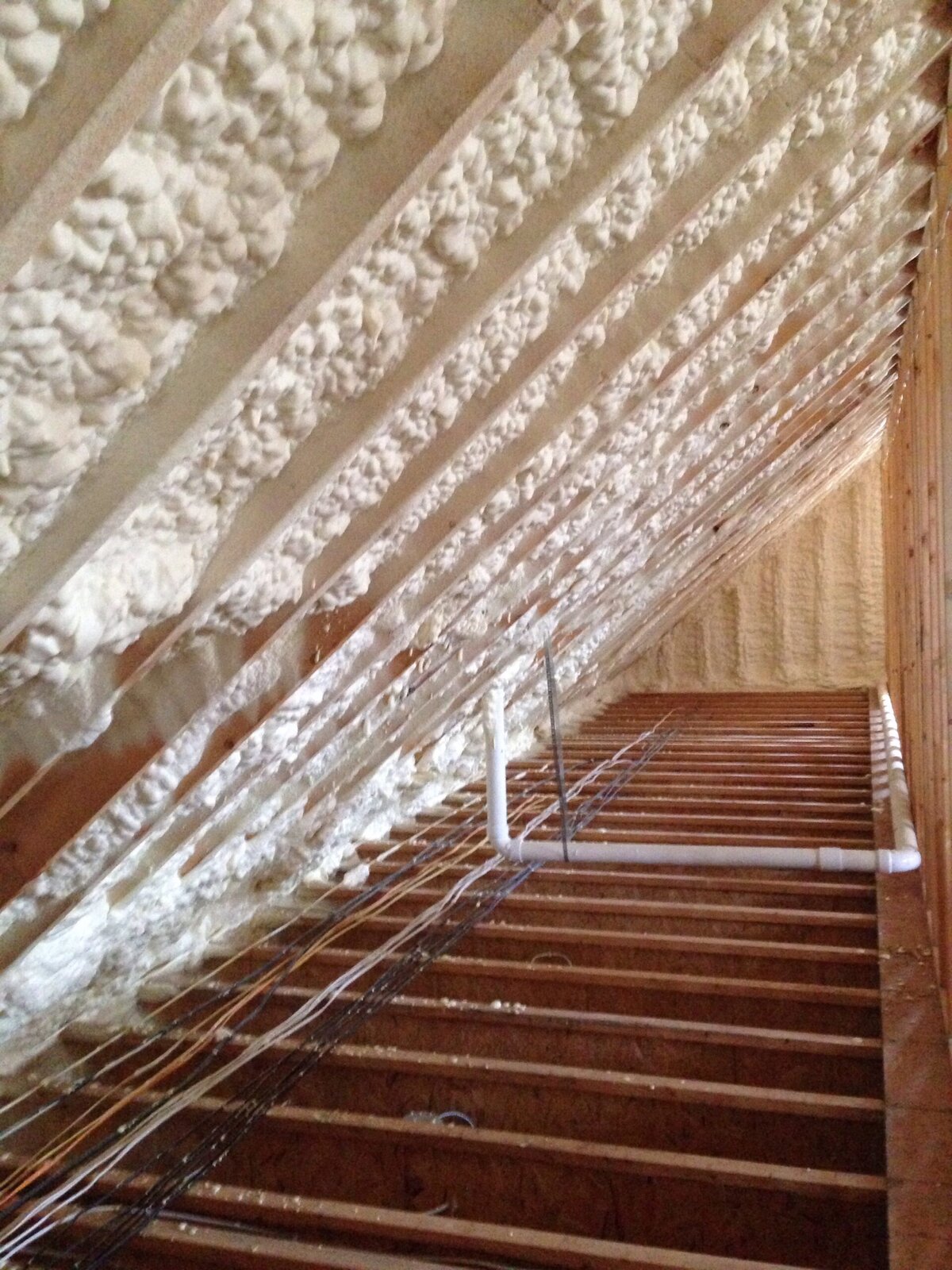
Attic thermal insulation serves as the key thermal boundary protecting duct runs passing through unconditioned attic spaces. When insulation becomes crushed, moist, or displacement-damaged, radiant heat penetrates duct walls and warms chilled air before it arrives at room registers. Upgrading attic thermal barriers during duct restoration guarantees that conditioned air reaches rooms at specified thermostat temperatures.
The National Air Duct Cleaners Association ACR Standard dictates that proper system restoration must address all connected air stream components to achieve comprehensive cleanliness. Cleaning supply lines while ignoring dirty blower wheels, evaporator coils, or dryer vents leads to rapid re-contamination and diminished efficiency gains. Our holistic remediation framework cleans every interconnected system component to secure lasting environmental health.
Technical Comparison of System Service Frameworks
Selecting an appropriate HVAC service level depends on contamination severity, occupant health demands, and overall ductwork condition. Choosing low-cost promotional cleaning often leads to incomplete debris removal and cross-contamination, whereas certified full-system restoration guarantees complete contaminant extraction, improved energy efficiency, and extended equipment longevity according to strict national performance standards.
To help property owners make informed investments, we have detailed the trade-offs between surface-level maintenance, promotional cleaning, and certified system restoration.
| Maintenance Framework | Scope of Work | Equipment & Technology | Expected Service Life | Primary Use Case |
|---|---|---|---|---|
| DIY Filter & Vent Maintenance | Surface filter swaps and wiping register grilles. | Standard shop vacuum and microfiber cloths. | 1 to 3 Months | Basic dust control between professional service visits. |
| Low-Cost Promotional Service | Light suction applied at register openings without full trunk isolation. | Portable low-power shop vacuums without containment. | Temporary (Weeks) | Superficial cosmetic cleaning; high risk of spreading fine dust. |
| NADCA Certified System Restoration | Mechanical agitation, full duct extraction, coil washing, blower cleaning, and plenum sealing. | High-volume truck-mounted HEPA vacuums (up to 10,000 CFM) and pneumatic whips. | 3 to 5 Years | Complete contaminant extraction, mold remediation, allergen removal, and airflow optimization. |
In our field experience, low-cost promotional services relying on portable shop vacuums frequently cause more harm than good. These low-power units cannot establish continuous negative air pressure, blowing microscopic particulate matter out of unsealed duct joints directly into indoor living spaces. Certified full-system restoration employs commercial negative air machines that hold duct lines under strong vacuum, preventing dislodged debris from contaminating surrounding rooms.
Standard Step-by-Step Duct Remediation Protocol
Executing effective HVAC duct remediation requires a rigorous sequence to prevent indoor cross-contamination and guarantee complete particulate extraction. Professional technicians establish negative differential pressure, deploy pneumatic agitation tools throughout the duct network, and sanitize air handling surfaces, ensuring all dislodged debris is captured and permanently removed from your property.
- System Diagnostic Testing: Conduct thorough visual micro-camera inspections and establish baseline static pressure measurements across all air handling components.
- Negative Air Containment Setup: Connect commercial HEPA negative air vacuums to main trunk lines and seal individual registers to create controlled directional airflow.
- Mechanical Agitation and Extraction: Drive rotary whip brushes and pneumatic air whips through supply and return ducts to dislodge adhered particulate matter.
- Component Deep Cleaning: Clean evaporator coils, blower fan wheels, condensate pans, and plenum boxes using approved non-corrosive treatments.
- Final Performance Verification: Unseal registers, measure post-cleaning static pressure levels, and confirm cleanliness with micro-camera inspections.
Following this sequential methodology eliminates guesswork and ensures consistent results across all residential and commercial projects. Skipping any step compromises whole-system hygiene and prevents optimal energy performance.
Frequently Asked Questions
How often should residential air ducts be professionally cleaned?
We recommend professional air duct cleaning every three to five years under standard operating conditions. Homes with pets, recent structural renovations, or residents suffering from severe respiratory conditions should schedule cleaning every two to three years. Visual inspection of return grilles every six months helps identify accelerated dirt buildup.
Will the air duct cleaning process create mess inside my building?
A professional duct cleaning will not create mess inside your home because high-powered collection equipment maintains negative pressure to capture all dust. We seal off unused supply registers and lay protective coverings across work areas during extraction. When executed correctly, our procedure leaves your indoor environment spotless.
Can dirty air ducts increase monthly energy bills?
Dirty air ducts increase monthly energy bills by restricting airflow and forcing HVAC blowers to work harder against elevated static pressure. This extra mechanical workload increases power consumption and accelerates component wear over time. Restoring unobstructed airflow enables equipment to operate at peak manufacturer efficiency, reducing utility costs.
Is dryer vent cleaning necessary if the lint trap is emptied after every load?
Dryer vent cleaning remains necessary because lint traps capture only a fraction of airborne fibers, allowing debris to accumulate along exhaust pipes over time. Accumulated lint reduces exhaust flow, extends drying cycles, and creates a significant structural fire hazard. We recommend servicing complete dryer exhaust runs every twelve to eighteen months.
How long does a thorough whole-house air duct cleaning take?
A thorough whole-house air duct cleaning takes between three and five hours for a typical single-family residence. Project duration varies based on total system square footage, duct accessibility, return register count, and evaporator coil condition. Short promotional services lasting under an hour cannot perform proper mechanical extraction across all components.
Sources
- U.S. Environmental Protection Agency (EPA) – Indoor Air Quality Guidelines: https://www.epa.gov/indoor-air-quality-iaq
- National Air Duct Cleaners Association (NADCA) – ACR Standard for Assessment, Cleaning, and Restoration of HVAC Systems: https://nadca.com/standards-and-publications
People Also Ask
For freshening up the exterior of your home, start with a thorough pressure wash of siding, walkways, and driveways to remove dirt and mildew. Clean gutters and downspouts to prevent water damage and staining. Trim overgrown shrubs and trees for a tidy appearance. If your home has exterior vents for dryers or range hoods, ensure they are clear of debris and lint buildup. For the best indoor air quality, remember that your ductwork plays a key role. Airwayz Duct and Insulation recommends reading our internal article The Vent Visionaries: Seeing Clean Air Where Others See Ducts to understand how clean ducts contribute to a fresher home environment overall.
To make a home feel fresh, focus on improving indoor air quality and reducing odors. Start by changing HVAC air filters every 1-3 months to prevent dust recirculation. Open windows for cross-ventilation when weather permits, and use exhaust fans in kitchens and bathrooms to remove humidity and cooking smells. Deep clean carpets and upholstery, as they trap allergens. For a lasting solution, consider professional duct cleaning to remove accumulated dust and mold from your ventilation system. Airwayz Duct and Insulation recommends this as part of a comprehensive approach. For more insights, refer to our internal article titled A New Standard Of Clean For Northeast Florida Homes.
To refresh your house, start by improving indoor air quality. Open windows for cross-ventilation to let stale air out and fresh air in. Use exhaust fans in kitchens and bathrooms to remove moisture and odors. Deep clean carpets, upholstery, and hard surfaces to eliminate dust and allergens. Consider having your air ducts professionally inspected and cleaned by a service like Airwayz Duct and Insulation to remove built-up debris that recirculates through your home. For a comprehensive guide on maintaining clean air, read our article titled Breathe Pure Florida Air, Indoors And Out.. Adding houseplants can also naturally filter the air, while replacing HVAC filters monthly ensures your system runs efficiently, keeping your living space feeling truly refreshed.