
The Simple, Smart Step To A Healthier Home Environment
Ever walked into a room in your own house and thought, “Wow, it smells like a gym sock decided to retire in here?” Or maybe you’ve noticed that your energy bill seems to be on a mission to personally fund your utility company’s next corporate retreat. We feel you. We’ve been in more homes across Palm Coast and St. Augustine than we can count, and let’s just say, we’ve seen things. The silent culprit behind a lot of these domestic dramas is often hiding in plain sight—or, more accurately, hiding in your walls and crawl spaces. We’re talking about your air duct system and your insulation. They’re the unsung heroes (or secret villains) of your home’s comfort, air quality, and wallet health.
Think of this as a friendly chat over coffee about what’s really going on inside your house’s lungs and sweater. We’ll break down the why, the when, and the “oh wow, I really need to deal with that.” And hey, since we’re the crew at Airwayz Air Duct and Insulation right here in Palm Coast, Florida, we might just share a few insider tips we’ve picked up along the way.
The Hidden World Inside Your Walls: It’s Not Just Dust Bunnies
Let’s get real for a second. Your home’s HVAC system is basically a giant circulatory system. It breathes in, it breathes out, and it cycles air through every room. Now, imagine if your own circulatory system had to push blood through arteries caked with a layer of dirt, pet dander, pollen, and who-knows-what-else from last season. You wouldn’t feel too great, right? Your AC and furnace feel the same way.
When those air ducts get clogged, your system has to work overtime. It’s like trying to breathe through a straw while running a marathon. This struggle doesn’t just hike up your energy cost; it wears out your equipment years before its time. The air blowing out of your vents might look clean, but if the pathway is dirty, you’re just recirculating a cocktail of allergens and dust. A professional air duct cleaning service isn’t just a “nice-to-have”; it’s essential maintenance for your whole house health and your bank account.
Beyond the Ducts: The Dynamic Duo of Efficiency
Here’s where folks often get tripped up. They think, “I got my AC duct cleaning, so I’m all set!” But what about the stuff that surrounds those ducts? We’re talking about your insulation. If your ducts are clean but they’re running through an attic that’s poorly insulated, you’re losing massive amounts of conditioned air before it even reaches your living room.
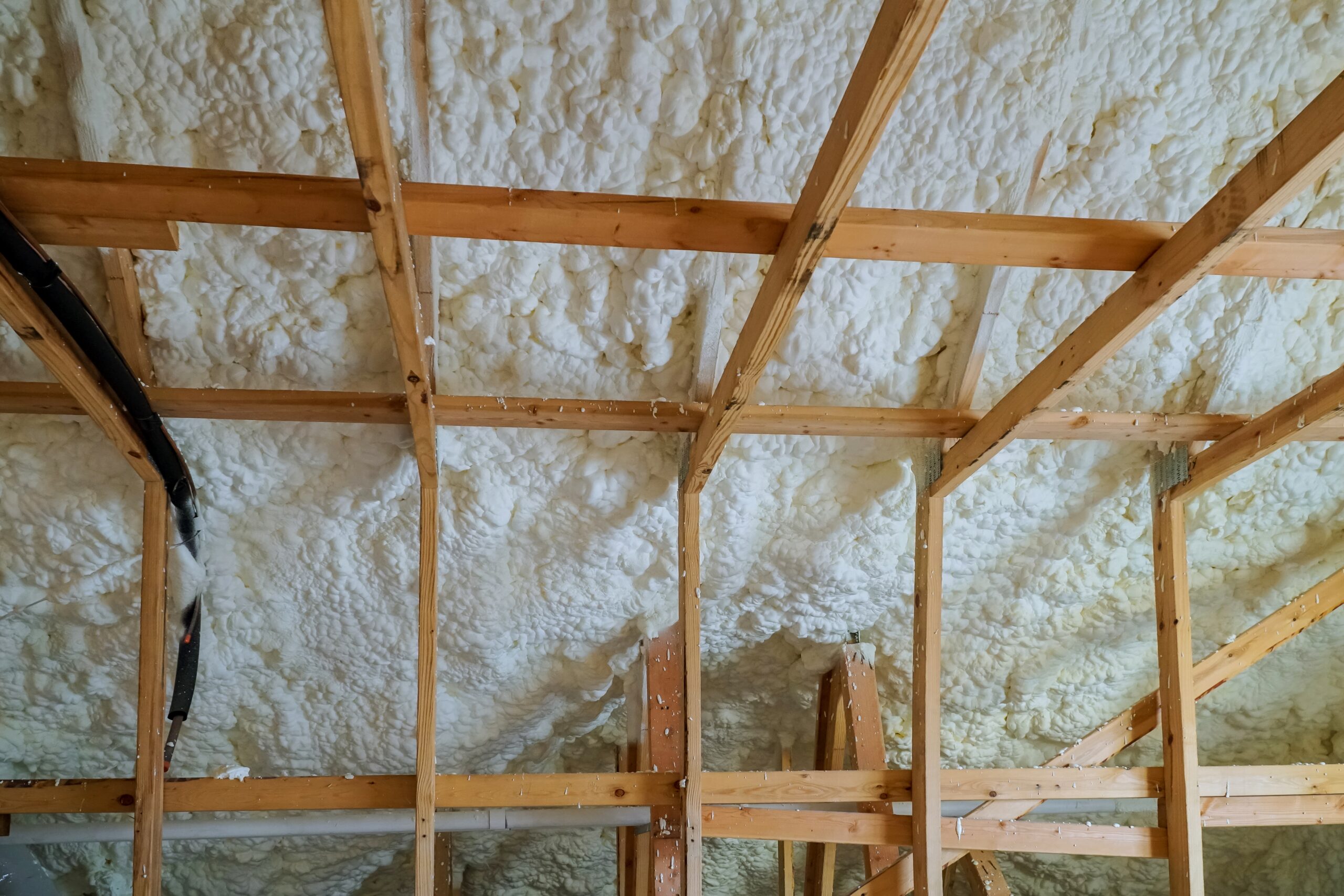
- Insulation is your home’s thermal blanket. In summer, it keeps the Florida heat from baking your attic and making your AC work triple-time. In winter (yes, we get those chilly nights!), it keeps the warmth you’re paying for inside.
- Old, settled, or moisture-damaged insulation might as well not be there. It’s like wearing a moth-eaten sweater in a snowstorm and wondering why you’re cold.
The magic happens when you tackle both. Clean ducts move air efficiently, and proper insulation ensures that the conditioned air stays where it’s supposed to. It’s a one-two punch for comfort and savings. At Airwayz Air Duct and Insulation, we see this synergy every day. We can’t tell you how many customers call us for one service and end up realizing the other was the missing piece of their comfort puzzle.
The Often-Forgotten Fire Hazard: Your Dryer Vent
Okay, let’s switch gears to something a bit more… alarming. When was the last time you thought about your dryer vent? Be honest. For most people, it’s out of sight, out of mind. But IMO, this is one of the most critical and overlooked safety features in your home.
Lint is incredibly flammable. When that vent pipe from your dryer to the outside gets clogged with it, you’re creating a perfect environment for a fire. The heat has nowhere to go, so it builds up. We’re not trying to scare you (well, maybe a little), but this is serious stuff. A simple dryer vent cleaning is one of the most affordable and important preventative maintenance tasks you can do. It’s not just about drying your clothes faster; it’s about peace of mind. If you’re searching for “dryer vent cleaning near me,” you’re searching for a safety service, not just a chore.
When Should You Actually Call a Pro? Your Home’s Tell-Tale Signs
You don’t need to be an expert to spot the red flags. Your house is pretty good at sending up smoke signals (sometimes literally, if that dryer vent is bad!). Here are the big ones:
- Dust Armies: You dust on Saturday, and by Tuesday, a fresh layer has declared sovereignty over your TV stand. This often means your ducts are blowing dust throughout the house.
- Hot & Cold Spots: One room feels like a sauna while another could store meat. This points to airflow issues from blocked ducts or failing insulation.
- Sky-High Bills: If your energy bills are climbing faster than your kids on a sugar rush, and you haven’t changed your habits, your system is fighting an uphill battle.
- Funky Smells: Musty, stale odors that return even after cleaning usually mean there’s mold or debris in the ductwork.
- Weak Airflow: You hold your hand up to a vent and get a sad, weak breeze instead of a robust gust.
If you’re nodding along to any of these, it’s probably time to stop searching for “air vent cleaning nearest” and just make the call. Getting a professional assessment is the first step to solving the mystery.
Breaking Down the Investment: What Are You Really Paying For?
We get it. “How much does this cost?” is the million-dollar question (hopefully not literally). The price for air duct cleaning services or new insulation isn’t a one-size-fits-all tag. It depends on the size of your home, the severity of the problem, and the accessibility of your system. But let’s frame it differently: what’s the cost of not doing it?
Think about:
- The price of replacing a prematurely dead HVAC system (ouch).
- The medical cost of managing allergy or asthma symptoms.
- The ongoing drain of 20-30% higher energy bills, year after year.
- The unthinkable expense of a house fire from a clogged dryer vent.
Suddenly, the investment in professional cleaning and insulation looks a lot more like, well, an investment. It’s preventative care for your biggest asset. At our Palm Coast company, we always provide clear, upfront estimates because we believe an informed customer is a happy customer. No surprises, just honest work.
Your Quick Guide to Home HVAC Health
To make it super simple, here’s a table that breaks down the key services, their benefits, and typical indicators you need them. Consider this your cheat sheet.
| Service | What It Addresses | Key Benefits | “Call Now” Signs |
|---|---|---|---|
| Air Duct Cleaning | Contaminants & debris in supply/return ducts. | Improved indoor air quality, system efficiency, reduced allergens. | Visible dust blowing from vents, persistent musty smells, excessive household dust. |
| Dryer Vent Cleaning | Lint buildup in the vent hose leading outside. | Fire prevention, faster drying times, reduced energy use. | Clothes take multiple cycles to dry, dryer is very hot to the touch, burnt smell. |
| Attic Insulation | Heat transfer & air leakage in the attic space. | Lower energy bills, even temperatures, reduced strain on HVAC. | High cooling/heating bills, attic feels extremely hot/cold, ice dams in winter. |
| Whole-House Assessment | Comprehensive review of airflow, insulation, and venting. | A complete picture of your home’s performance and a prioritized action plan. | You’re experiencing multiple issues above or are planning a home efficiency upgrade. |
Your Questions, Answered Straight
We hear these all the time, so let’s tackle them head-on.
1. How often should I really clean my air ducts?
The general rule of thumb is every 3 to 5 years. But if you have pets, smokers, or residents with allergies or respiratory issues, you might want to consider it more frequently, like every 2-3 years. After a major home renovation is also a non-negotiable time to get it done—construction dust is no joke.
2. Can’t I just clean my dryer vent myself?
You can try, and for the very first foot or so, you might help. But most lint clogs are deep in the pipe or at the exterior vent cap. Professional equipment uses powerful rotary brushes and vacuum systems that reach the entire length of the vent—something a store-bought kit just can’t match. For safety’s sake, we always recommend a pro.
3. Will new insulation really make a noticeable difference in my bill?
In a word: absolutely. We’ve had customers in St. Augustine and Palm Coast report drops of 20% or more on their monthly bills after a proper insulation upgrade. Your HVAC system will run shorter cycles and maintain temperature effortlessly. It’s one of the highest-return upgrades you can make to an existing home.
4. What sets one air duct cleaning company apart from another?
Great question. Look for companies that do a visual inspection first (with a camera if possible), use truck-mounted HEPA-filtered vacuum systems (not a “blower” style that just recirculates dust), and protect your home during the work. Avoid the door-knockers offering a $99 special—you often get what you pay for. Companies like ours, Airwayz Air Duct and Insulation, are locally owned, licensed, and insured, and we stand by our work because our reputation depends on it.
So, what’s the takeaway from our little chat? Your home is a system. Treating one part while ignoring another is like putting premium gas in a car with flat tires. The real comfort, savings, and safety come from a holistic approach. Whether it’s the simple, critical act of cleaning a dryer vent, the deep cleanse of a whole house air duct cleaning, or fortifying your attic with fresh insulation, each action contributes to a healthier, happier, and more affordable living space.
If any of this has you looking sideways at your vents or thinking about that attic you haven’t visited since you moved in, maybe it’s time for a professional opinion. We’re just a phone call away here in Palm Coast, Florida, ready to help you breathe easier in every sense of the word. Let’s make your home the comfortable haven it’s meant to be.
People Also Ask
A simple weight loss plan provides a structured approach to reducing body weight through manageable, sustainable changes. It typically focuses on creating a consistent calorie deficit, where you consume fewer calories than you burn, through a combination of balanced nutrition and increased physical activity. Key components often include portion control, choosing whole foods like fruits, vegetables, and lean proteins, and reducing intake of processed items and added sugars. Regular exercise, such as brisk walking or strength training, is encouraged to boost metabolism. The goal is to establish healthy habits that promote gradual, long-term weight management rather than rapid, unsustainable results, improving overall health and energy levels.