
Years of
Experience
 Airwayz
 Airwayz
Why Choose Airwayz in St. Augustine?
Personalized Project Management
You get direct support from our team throughout the entire process.
Clear Timelines
We complete every project on schedule with consistent communication.
Licensed Professionals
Certified experts ensure your UV system runs safely and efficiently.
Local Experience
We understand St. Augustine’s air quality challenges and design every solution to fit your environment.
Testimonials
Our Clients Feedback
Olivia .C
Ethan .B
Sophia .N
Our Services
Complete Indoor Air & Comfort Solutions
Everything your home or business needs for cleaner air, better efficiency, and year-round comfort.

Air Filtration Solutions
Breathe easier with deep-cleaned ducts that reduce allergens and improve airflow throughout your entire home.
READ MOREAir Duct Repair
Fix damaged ductwork to restore proper air circulation and increase your HVAC system’s efficiency and comfort.
READ MORE

Air Duct Cleaning
Remove accumulated dust, allergens, and debris to improve indoor air quality and boost your HVAC system’s efficiency.
READ MOREAir Duct Replacement
Upgrade old or damaged ducts for better air quality, lower energy bills, and consistent indoor temperatures.
READ MORE
AC Installation
Stay cool with modern AC systems designed for high efficiency, energy savings, and long-term home comfort.
READ MORE
Dryer Vent Cleaning
Remove lint buildup and improve airflow to reduce fire risk and extend your dryer’s performance and life.
READ MORE
Dryer Vent Replacement
Replace unsafe or outdated vents for a safer, more efficient dryer and improved indoor air quality.
READ MORE
Dryer Vent Installation
Get professional dryer vent installation that ensures proper airflow, safety, and long-term system efficiency.
READ MORE
Blow-In Insulation
Enhance home comfort and energy savings with high-performance insulation installed quickly and mess-free in your attic.
READ MORE
Insulation Removal
Safely remove old or damaged insulation to eliminate allergens, pests, and moisture before upgrading your space.
READ MORE
Air Sealing
Seal leaks and gaps to stop energy loss, lower bills, and make your home more comfortable year-round.
READ MORE
Airflow Check
Ensure balanced, efficient airflow throughout your home to improve comfort, air quality, and HVAC performance.
READ MORE
UV Light Installation
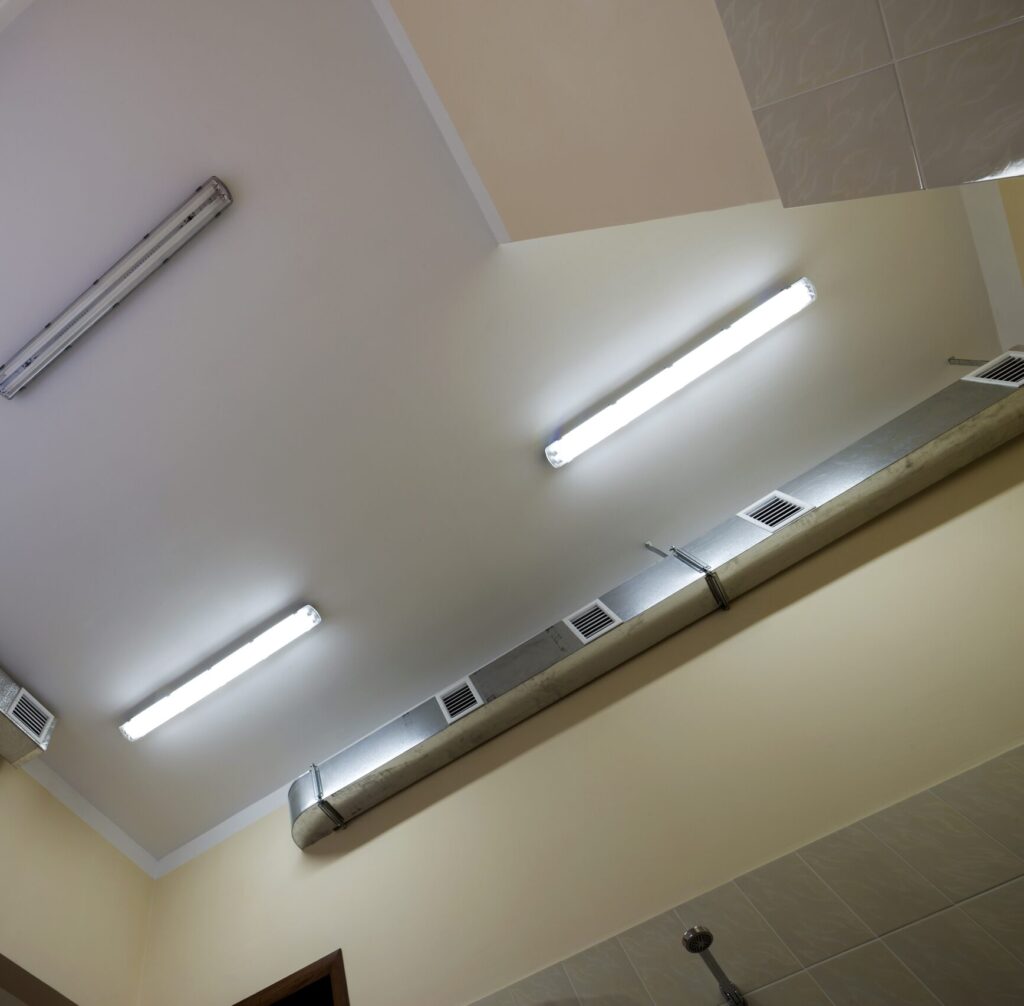
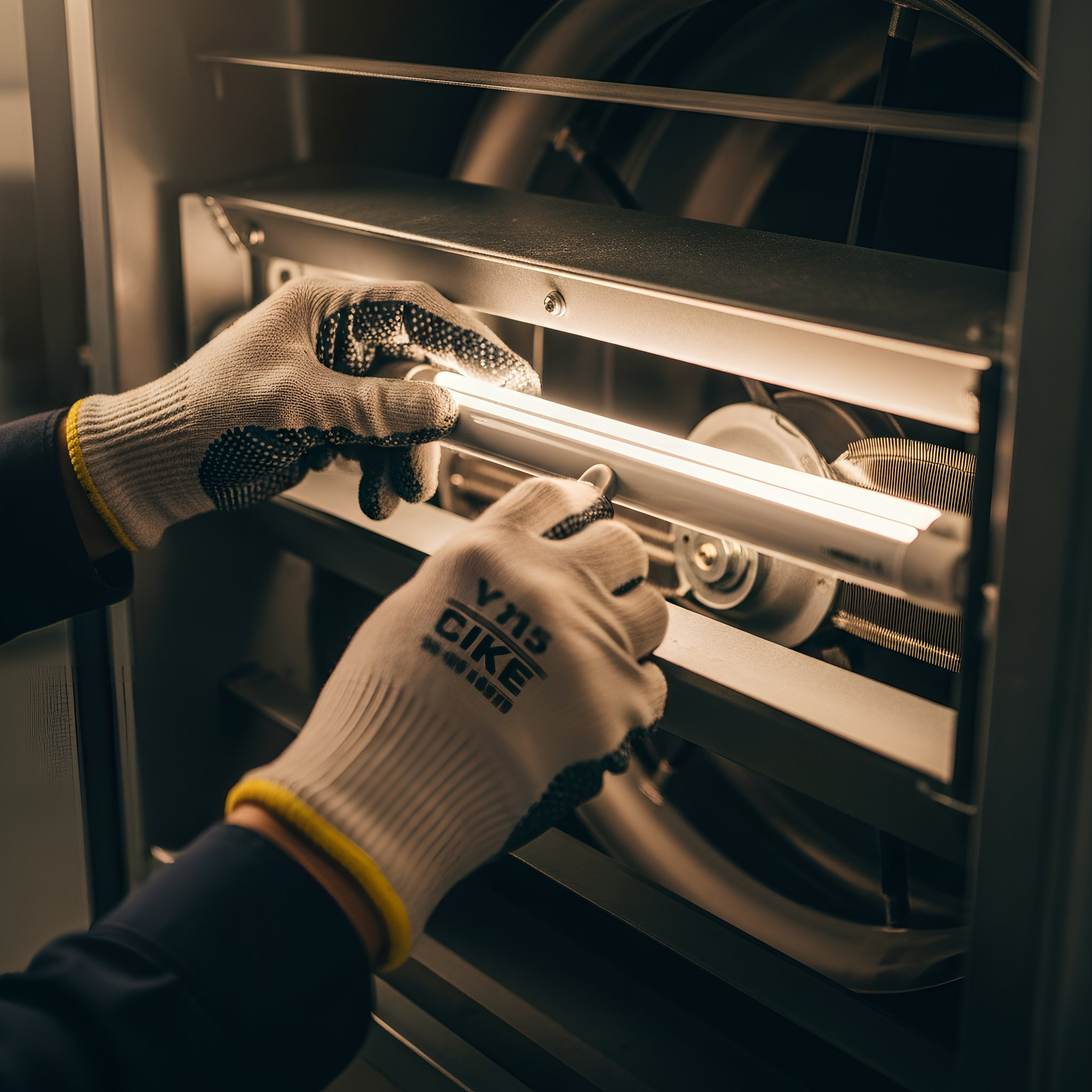
Protect your home’s air with UV lights that reduce bacteria, mold, and allergens in your duct system.
READ MORE
Related Articles
People Also Ask
Yes, Florida experiences some of the highest levels of ultraviolet (UV) radiation in the continental United States. Its subtropical location means the sun's rays strike more directly, and the state's high humidity and proximity to water can reflect and intensify UV exposure. This persistent intensity is a year-round concern, not just a summer issue. For residents, this underscores the critical importance of sun protection and also highlights a significant indoor air quality consideration. High UV levels can degrade HVAC components and allow more biological contaminants to thrive inside ductwork. For a deeper look at how this affects home systems, particularly regarding indoor air quality solutions, see our internal article UV Lights in Orlando, FL.
The Nights of Lights in St. Augustine is not a free event. While you can view the spectacular light displays from public streets and the bayfront for free, most activities and tours associated with the festival require paid admission. Access to many prime viewing areas, such as from the water on a boat tour or from above on certain trolley or train tours, involves purchasing tickets. Some attractions and historic sites that are part of the experience also have their own separate entry fees. For the best experience, budgeting for a guided tour is recommended, as it provides context and access that enhances viewing the millions of lights.
Ultraviolet (UV) radiation from the sun is typically at its highest intensity during the middle of the day, specifically between the hours of 10 a.m. and 4 p.m. This is when the sun is at its highest point in the sky, and its rays have the shortest distance to travel through the Earth's atmosphere, resulting in the strongest UV exposure. The UV Index, a standard measurement of the sun's UV radiation strength, often peaks around solar noon. It is crucial to take sun safety precautions during these hours, such as seeking shade, wearing protective clothing, and applying broad-spectrum sunscreen, even on cloudy days, as UV rays can penetrate cloud cover.