
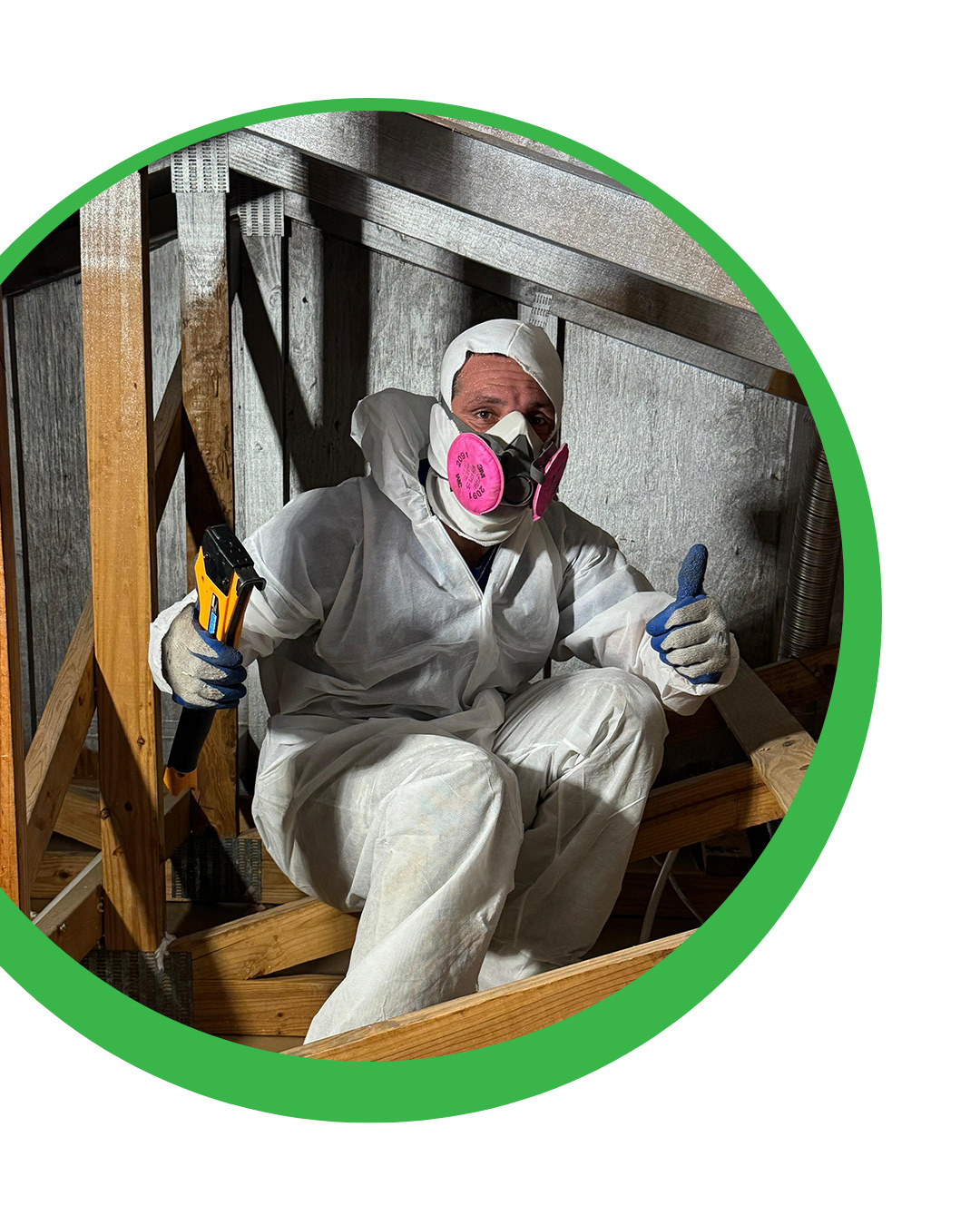
What the EPA Says About Air Duct Cleaning and How It Affects Your Home
Ever walked into a room in your own house and thought, “Wow, it smells like… feet in here?” And it’s not even your feet? Or maybe you’ve noticed your energy bills creeping up faster than a kid on a sugar rush, but your thermostat hasn’t budged. We feel you. More often than not, the silent culprit behind these domestic mysteries is something we forget about until it causes a problem: the labyrinth of ducts and insulation hidden in our walls and attics.
Here’s the thing we’ve learned from years in the trade: your home’s breathing system is its HVAC and insulation. When it’s clean and efficient, life is good. When it’s not, well, you get the phantom foot odor and the wallet-draining energy bills. Let’s have a real chat about what’s going on up there, behind there, and in there, and why giving it some love might be the best home improvement move you make this year.
The Unseen World Inside Your Walls
We like to think of our homes as solid, cozy shelters. But in reality, they’re dynamic environments, constantly circulating air. That air passes through a network of ducts, over insulation, and through vents, picking up and depositing little souvenirs along the way.
What’s Actually Floating Around (And Settling In)?
Think about everything that becomes airborne in your home. We’re not just talking about dust bunnies the size of, well, actual bunnies. The daily grind creates a surprising amount of debris:
- Pet dander and hair (the gift that keeps on giving)
- Dust mites and their, ahem, droppings
- Pollen and outdoor allergens that sneak in
- Mold spores from normal humidity
- Lint from your dryer (more on that scary one later)
- General construction dust and skin cells
All of this gets pulled into your return air vents and begins a journey through your whole house duct system. A lot of it gets caught by your air filter (you are changing that regularly, right?). But a significant amount slips by, clinging to the duct walls like fuzzy, unwanted wallpaper.
Why You Should Care (Beyond the “Ew” Factor)
Okay, so it’s a bit gross. But the impact goes way beyond a little dust. Ignoring this hidden ecosystem hits you in three major places: your health, your bank account, and your safety.
Your Health’s Silent Saboteur
Every time your blower fan kicks on, it can stir up that settled layer of debris and send it circulating back into your living spaces. If anyone in your home suffers from allergies, asthma, or general respiratory irritation, this constant recirculation of irritants is public enemy number one. A deep air duct cleaning removes that source material, letting everyone breathe easier. It’s not a magic cure, but it removes a major aggravating factor. Why medicate the symptoms if you can clean up the cause?
Your Wallet’s Secret Drain
Here’s where it gets really interesting for the efficiency nerds among us. That layer of gunk inside your ac duct cleaning isn’t just sitting there. It acts as an insulator on the wrong side of the pipe. It restricts airflow, making your HVAC system work harder, longer, and less effectively to heat or cool your home.
Imagine trying to breathe through a clogged straw. That’s your system with dirty ducts. The result?
- Longer run times
- Increased wear and tear on the blower motor and compressor
- Sky-high energy bills
A clean system is an efficient system. It’s that simple. And while we’re talking efficiency, let’s touch on your insulation. If your attic insulation is old, compacted, or missing, you’re basically heating and cooling the great outdoors. Proper insulation is your thermal blanket, and maintaining it is just as crucial as duct cleaning for affordable year-round comfort.
The Safety Hazard No One Talks About
This is the big one, and it deserves its own spotlight. That dryer vent running from your laundry room to the outside? It’s arguably the most dangerous duct in your house.
Lint is incredibly flammable. When the vent pipe gets clogged—and it will get clogged with regular use—the hot, moist air from your dryer has nowhere to go. Heat builds up. Lint can ignite. According to the National Fire Protection Association, firefighters respond to nearly 14,000 home fires caused by dryers every year. The number one cause? Failure to clean them.
A professional dryer vent cleaning isn’t a luxury; it’s a critical safety service. It ensures your dryer runs efficiently (saving you money and time per load) and, more importantly, eliminates a major fire risk.
So, When Is It Really Time to Call?
We get it. “Air duct cleaning services” might sound like an upsell. But there are clear, undeniable signs that your system is crying out for help. Let’s break down when it’s time to stop wondering and start dialing.
The “Okay, This Is Getting Ridiculous” Signs
- Visible Dust Nightmares: You see dust streaking out of your supply vents when the system runs. Or, you wipe a surface clean, and a fine layer of dust reappears in hours.
- The Unshakeable Odor: Musty, stale, or weird smells that kick on with your HVAC and linger.
- Allergy Armageddon: Your family’s allergy symptoms noticeably worsen when you’re at home and the system is running.
- The Energy Bill Spike: Your usage habits haven’t changed, but your bills are on a steady climb.
- Recent Renovations: Did you just remodel? Construction dust is brutal on HVAC systems. A post-renovation clean is non-negotiable.
Making Sense of the “Near Me” Search
We live in a “near me” world. It’s second nature to search for “air vent cleaning near me” or “dryer vent cleaning Palm Coast.” And that’s smart! You want a local company that knows the specific challenges of our coastal climate in Palm Coast and St. Augustine—the humidity, the salt air, the seasonal pollen explosions.
But here’s our two cents: don’t just pick the nearest or the cheapest. Look for the company with the right equipment (like powerful truck-mounted vacuums) and a solid reputation. IMO, the cost should reflect a thorough job, not a quick, ineffective one. At Airwayz Air Duct and Insulation here in Palm Coast, Florida, we’ve seen the aftermath of those “blow-and-go” specials, and it’s not pretty. You deserve a comprehensive clean, not a dust redistribution program.
Busting the Biggest Myths About Duct Cleaning
Let’s clear the air on some common misconceptions. We hear these all the time.
Myth 1: “My ducts were cleaned when my new HVAC was installed.”
Probably not. Installers typically seal off the new unit from the existing ductwork to protect it. Your old ducts are likely just as dirty as they were before.
Myth 2: “It’s a messy, invasive process that will ruin my home.”
Not when done right. A professional crew uses containment systems, seals vents, and runs powerful negative air machines so the dirt goes outside into their truck-mounted vacuum, not into your living room. It’s surprisingly clean.
Myth 3: “It’s too expensive.”
Let’s talk about price and value. Consider it an investment. When you weigh the one-time cost against the ongoing savings on energy bills, potential HVAC repair bills, and improved health, the math starts to make a lot of sense. We work hard to provide affordable, transparent pricing because we believe every home deserves clean air.
What Does a Real Professional Service Look Like?
So you’ve decided to take the plunge. What should you expect from a top-tier service? It’s more than just sticking a hose in a vent. Here’s our playbook at Airwayz Air Duct and Insulation:
- The Full Inspection: We start with a camera scan. We need to see the enemy before we engage.
- The Negative Air Setup: Our truck-mounted vacuum creates powerful negative pressure throughout your entire duct system. This captures debris and prevents it from escaping into your home.
- The Agitation: We use specialized tools to dislodge debris from all sides of the ducts—brushes, air whips, skipper balls. We’re not just vacuuming; we’re scrubbing.
- The Clean Sweep: Everything gets pulled to the main vacuum line and ejected into our collection tank.
- The Final Check: We often do a post-cleaning camera scan to show you the “after” results. Transparency is key.
And while we’re there, a true whole-house approach includes checking and cleaning the dryer vent and assessing your attic insulation. These systems work together, so it makes sense to maintain them together.
Your Home Efficiency & Health Cheat Sheet
| Concern | Likely Culprit | The Fix | The Result |
|---|---|---|---|
| High Energy Bills | Dirty Ducts, Poor Insulation | Duct Cleaning & Insulation Assessment | Lower monthly costs, system runs less |
| Poor Air Quality/Allergies | Contaminants in Ductwork | Comprehensive Air Duct Cleaning | Cleaner air, fewer irritants |
| Dryer Taking Too Long | Clogged Dryer Vent | Dryer Vent Cleaning | Faster dry times, reduced fire risk |
| Uneven Room Temperatures | Leaky/Blocked Ducts, Inadequate Insulation | Duct Sealing & Insulation Upgrade | Balanced comfort throughout the home |
| Musty Odors from Vents | Microbial Growth in Ducts | Anti-Microbial Treatment (if needed) after Cleaning | Elimination of odor sources |
Let’s Answer Your Burning Questions
How often should I really get my air ducts cleaned?
NADCA (the National Air Duct Cleaners Association) recommends every 3 to 5 years. But it depends. Homes with pets, smokers, allergy sufferers, or recent renovations may need it more frequently. Your dryer vent should be cleaned at least once a year, no exceptions.
Will duct cleaning damage my ducts or HVAC system?
A professional using proper tools will not cause damage. In fact, they’ll likely identify any pre-existing issues like disconnected ducts or leaks that are already hurting your efficiency.
Is this something I can DIY?
You can change your air filter and maybe vacuum the vent you can see. But for a true deep clean of the entire system? No. You simply don’t have the powerful negative-air machines or the reach to properly agitate and remove debris from the entire network. You’ll likely just push dirt around.
How do I choose a reputable company?
Look for NADCA certification, good reviews, and a willingness to explain the process. Get a detailed quote upfront. If a price seems too good to be true for a whole house clean, it probably is. Ask if they include the main trunk lines, returns, and registers. A legitimate company, like us at Airwayz Air Duct and Insulation, will be happy to answer all your questions before you commit.
At the end of the day, it’s about peace of mind. It’s about walking into a room and taking a deep, clean breath. It’s about not flinching when you get your utility bill. It’s about knowing you’ve eliminated a hidden danger with a simple dryer vent cleaning.
Your home works hard for you. Giving its hidden systems some professional TLC is one of the most impactful, yet overlooked, things you can do. So, if you’re in the Palm Coast or St. Augustine area and those signs are adding up, maybe it’s time we had a look. We’re just a call away, ready to help you and your home breathe a whole lot easier.
Related Articles
People Also Ask
The EPA does not generally recommend routine duct cleaning, but acknowledges it can be beneficial in specific situations. The agency states that cleaning is warranted if there is substantial visible mold growth inside hard-surface ducts, if ducts are infested with vermin, or if they are clogged with excessive dust and debris that is being released into the home. For most households, the EPA emphasizes that controlling the source of any contamination and ensuring proper filter maintenance on your HVAC system are more critical first steps. For a deeper understanding of the official guidance, we encourage you to read our internal article What The EPA Actually Says About Air Duct Cleaning (And What It Means For You), which breaks down the EPA's position and its practical implications for homeowners.
Air duct cleaning is often considered unnecessary for most households because the Environmental Protection Agency notes that routine cleaning does not improve air quality or system efficiency in the absence of specific contaminants. Dust in ducts typically adheres to surfaces and is not blown into living spaces in significant amounts. The process can be costly and, if done improperly, may damage ducts or release more pollutants. Exceptions exist, such as after major renovations, visible mold growth, or rodent infestation. For general maintenance, focusing on regular filter changes and professional HVAC system check-ups is a more cost-effective strategy for maintaining indoor air quality and system performance.
A professional air duct cleaning service should not make a mess in your home. Reputable companies use high-powered, truck-mounted vacuum systems with negative air pressure. This means the powerful suction is contained at the point of entry, pulling debris directly out of the ductwork and into the collection unit outside. Technicians will also use protective coverings for your floors and furniture around the vents and the main unit. While some minimal, fine dust may become airborne during the agitation process, a thorough cleaning should leave your home cleaner than before. The key is to hire an experienced, certified company that follows industry standards like those from NADCA. For more on the importance and process of professional duct cleaning, see our internal article Clean Air Ducts: The Heart Of A Healthy HVAC System.
When performed by a qualified professional using proper industry-standard methods, air duct cleaning should not damage your HVAC system. The key is hiring a certified technician who uses controlled negative pressure (a powerful vacuum) and soft-bristled tools to dislodge debris without harming the ductwork, coils, or electrical components. Incorrect methods, like using harsh brushes or excessive pressure, can potentially loosen connections, damage insulation, or dent ducts. To ensure a safe and effective cleaning that improves efficiency and indoor air quality, always verify a contractor's certifications and ask about their specific process. For more on maintaining system health, see our internal article A Clean HVAC System Is A Happy HVAC System.
Duct cleaning, while beneficial in specific scenarios, has notable drawbacks. The primary concern is that it is often unnecessary for general maintenance; if your system shows no visible mold, pest infestation, or significant debris, cleaning provides minimal air quality improvement. The process can be disruptive, requiring access to ductwork which may involve moving furniture and creating temporary mess. Improper cleaning by unqualified technicians can damage ducts or release more contaminants into your home. There is also cost to consider, as professional cleaning is an investment with variable returns. Crucially, sealing leaks and changing filters regularly are typically more effective for system efficiency and indoor air quality than routine duct cleaning.
Air duct cleaning, when performed by qualified professionals using proper equipment and techniques, should not cause damage to your HVAC system. However, improper methods can pose risks. Using harsh mechanical brushes on flexible ducts can tear the liner, while excessive pressure might loosen connections or dislodge duct tape and mastic seals, creating new air leaks. A key risk is damaging the internal insulation of fiberglass duct board, which can release fibers into the airstream. To prevent damage, always hire certified technicians from reputable companies like Airwayz Duct and Insulation who follow NADCA (National Air Duct Cleaners Association) standards, use controlled agitation and negative air pressure (containment), and perform a thorough visual inspection post-cleaning.