
The Ultimate Guide To Air Duct Cleaning: What To Expect From Start To Finish
Table of Contents
Understanding Air Duct Contamination and System Dynamics
Accumulating airborne debris inside supply and return ductwork disrupts HVAC balance, creates restricted airflow, and continuously recirculates particulate matter through interior living spaces. Over time, microscopic dust particles, environmental pollen, pet dander, drywall particulate, and fungal spores aggregate inside supply trunks and flexible branches, forcing air handlers to draw excess electric power while degrading indoor environmental conditions.
Our field work across residential homes and commercial facilities frequently uncovers complex contamination scenarios that go far beyond surface-level dust accumulation. In one notable case in St. Augustine, we responded to a dual-zone residential property experiencing severe airflow restriction and high indoor humidity. The air handler was working continuously, yet static pressure measurements indicated severe blockages exceeding 0.85 inches water column. Upon entering the crawlspace and deploying diagnostic video borescopes, we identified heavy gypsum drywall dust from a prior renovation that had combined with coastal humidity to form a dense, cement-like crust along 45 feet of flexible branch lines. This crust had completely blinded the primary evaporator coil fins, suffocating airflow and causing coil icing.
To resolve this issue, we isolated each zone using inflatable pneumatic bladders and connected our 5,000 cubic-feet-per-minute negative air unit to create strong suction throughout the main trunk lines. We then deployed forward-sweeping pneumatic rotary whips operating at 175 pounds per square inch to fracture and loosen the hardened gypsum crust without puncturing the inner plastic liner of the flexible ductwork. After extracting over 35 pounds of compacted debris into our containment receiver, we meticulously cleaned the evaporator coil with a non-acidic self-rinsing foam formula. This restored system static pressure to an ideal 0.42 inches water column, dropped interior humidity levels by 18 percent, and restored full cooling efficiency to the home.
Primary air duct contaminants routinely encountered in air distribution networks include:
- Microscopic particulate matter and atmospheric dust adhering to inner duct liner walls.
- Environmental pollen, outdoor botanical debris, and airborne mold spores entering via fresh air intakes.
- Pet dander, animal hair, and human skin flake accumulation inside return plenum drops.
- Fine drywall gypsum dust, masonry fibers, and sawdust left behind during building construction or remodeling.
- Organic microbial colonies growing along damp coil drain pans and uninsulated metal duct seams.
Health and Financial Impacts of Neglected HVAC Systems
Neglecting ductwork maintenance increases interior bioaerosol concentrations while raising monthly utility costs through heightened fan motor resistance and reduced thermal exchanger efficiency. When particulate layers coat evaporator coils and restrict supply registers, the HVAC unit experiences elevated static pressure, driving up electricity consumption and accelerating premature mechanical component degradation.
Guidance published by the U.S. Environmental Protection Agency emphasizes that improper or incomplete duct cleaning can actually worsen indoor air quality if contaminants are stirred up without adequate negative pressure containment. When systems operate with restricted air pathways, blower motors draw higher amperage to overcome airflow resistance, increasing monthly electric utilities by estimated rates of 15 to 25 percent. Furthermore, dirty heat exchangers cannot effectively transfer thermal energy, leading to prolonged run times and severe stress on expensive compressor components.
To help property owners compare operational maintenance paths, we have structured a comparative decision matrix outlining trade-offs across common HVAC care strategies:
| Maintenance Approach | Contaminant Removal Thoroughness | Equipment Life Impact | Operational Cost Efficiency | Risk of Secondary Contamination |
|---|---|---|---|---|
| Comprehensive Source Removal (NADCA Standard) | Complete extraction from air handler to registers (95-99%) | Extends system operational life by 3 to 5 years | High long-term savings through reduced energy draw | Negligible when negative air pressure is maintained |
| Surface-Level Register Vacuuming | Minimal (less than 10% total system cleaning) | No meaningful protection for interior coils or blower | Low short-term cost, zero impact on utility bills | High risk of pushing debris deeper into main trunks |
| In-Duct Chemical Spraying Only | Zero physical particulate extraction | Potential chemical coating damage to sensitive sensors | Moderate initial expense, no efficiency recovery | High risk of VOC release and wet particulate clumping |
| Complete Duct Work Replacement | Complete renewal of distribution pathways (100%) | Restores full factory airflow specifications | High capital investment (typically 3,000 to 8,000 dollars) | Zero risk during new installation |
Thermal Synergy: Interdependence of Ductwork and Attic Insulation
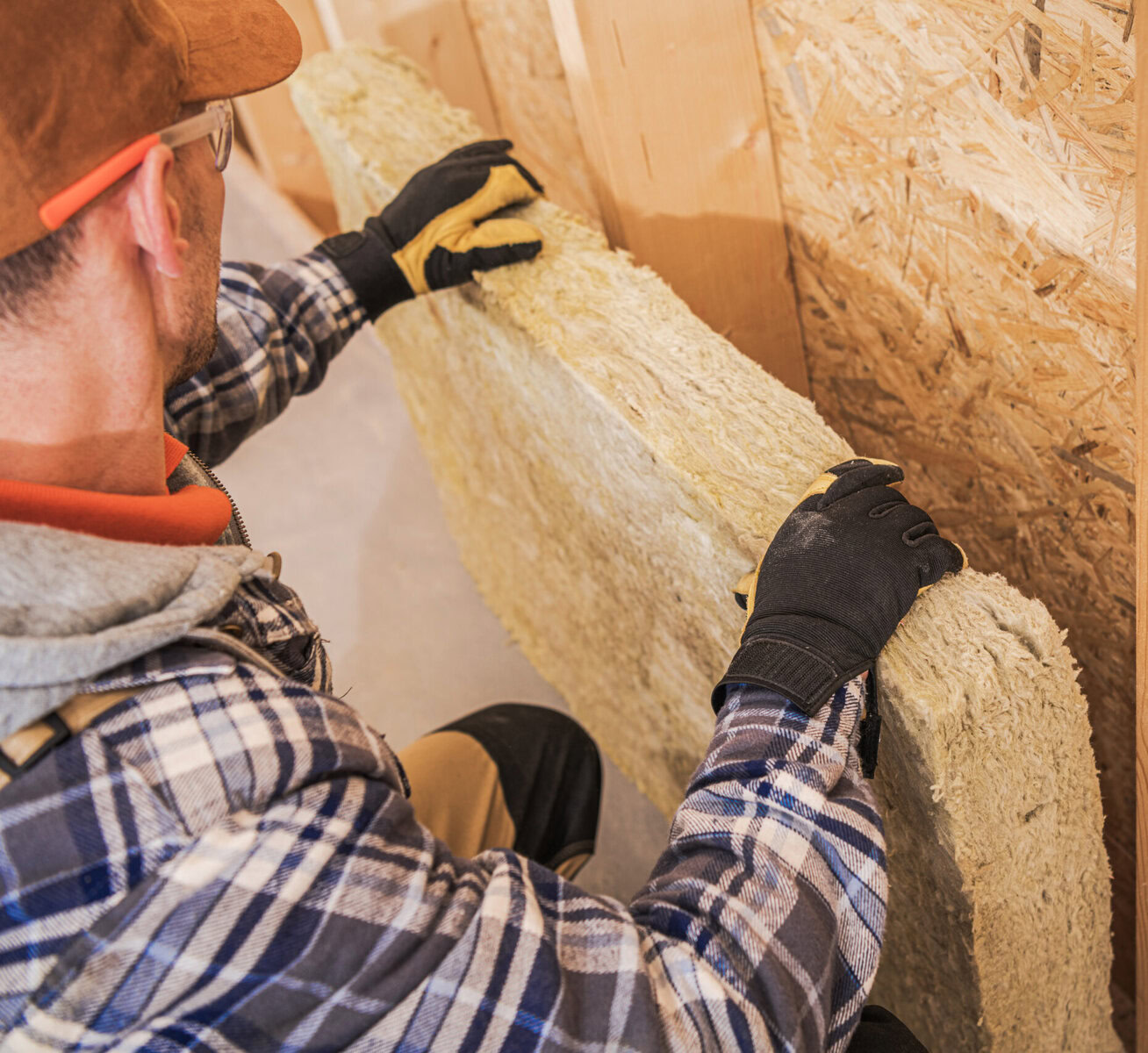
Air ducts and attic insulation operate as a unified thermal envelope, directly influencing interior moisture balance and HVAC equipment workloads. Insufficient attic insulation allows extreme ambient ceiling heat to penetrate supply ducts, triggering thermal conduction losses and internal duct condensation that creates optimal breeding conditions for microbial growth.
In humid coastal climates, uninsulated or poorly insulated attics can easily reach temperatures exceeding 130 degrees Fahrenheit during summer months. When cold, 55-degree conditioned air travels through ductwork surrounded by extreme attic heat, the temperature differential causes ambient moisture to condense on uninsulated metal connections and flexible outer jackets. This excessive condensation saturates adjacent blown-in ceiling insulation, rendering it useless and causing water spots on interior drywall.
We consistently evaluate attic insulation levels alongside duct assessments because a deficiency in one system directly degrades the performance of the other. Upgrading attic insulation to minimum recommended resistance levels of R-38 or R-60 reduces attic ceiling heat transfer, eliminating sweat points on air duct surfaces. This thermal stability keeps duct interiors dry, preventing dust build-up from caking into sticky sludge and extending system cleanliness across multiple years.
Exhaust Safety: Managing Dryer Vent Fire Hazards
Dryer vent lines require dedicated mechanical exhaust cleaning to prevent catastrophic thermal ignition caused by trapped flammable fabric lint. Restrictive exhaust ductwork forces clothes dryers to operate at unsafe operating temperatures, escalating fire hazards and drastically extending drying cycle durations for residential and commercial laundry equipment.
Official safety statistics compiled by the U.S. Fire Administration confirm that failure to clean lint buildup is the leading cause of residential clothes dryer fires, accounting for 34 percent of all reported dryer fire incidents nationally. As fabric lint accumulates within rigid metal pipes or flexible transition ducts, backpressure restricts heat discharge from the appliance heating element. This trapped thermal energy rapidly reaches ignition thresholds, turning trapped lint into immediate fire fuel.
Warning signs indicating severe dryer vent restriction include:
- Clothes taking longer than 45 minutes or multiple complete cycles to dry fully.
- Dryer exterior cabinet surfaces feeling unusually hot to the touch during operation.
- Absence of visible steam or strong exhaust airflow coming from the exterior exhaust hood vent wall cap.
- Accumulation of heavy lint deposits behind the appliance or along the laundry room baseboards.
- Burning odors detected in the laundry room while the appliance is running.
Diagnostic Signs Indicating Immediate Duct Cleaning
Homeowners can identify severe duct contamination through observable physical indicators, including rapid dust accumulation on household surfaces, visible dark vent staining, musty air supply odors, and uneven room temperatures. When supply registers emit visible dust puffs during startup or utility bills spike unexpectedly, professional system inspection is urgently required.
Visual inspections around return air grilles and supply registers often provide early indicators of system contamination. Dark gray dust lines running along ceiling drywall adjacent to supply vents indicate that air pressure is forcing trapped particulate out around loose duct boots. Additionally, damp or musty odors emanating from vents when the blower turns on indicate organic growth within the dark internal surfaces of the air distribution system.
If occupants experience unexplained respiratory irritation, coughing, or persistent sinus congestion that subsides when leaving the home, indoor bioaerosol recirculating through dirty air ducts may be a contributing factor. Unexplained monthly energy increases without changes in thermostat settings also point toward reduced blower efficiency caused by heavy debris buildup on internal coils or secondary heat exchangers.
The Standard Cleaning Methodology: Step-by-Step Field Execution
A professional air duct cleaning requires source removal through high-powered negative air pressure combined with mechanical agitation tools across all air handling components. Technicians isolate duct zones, agitate embedded wall debris with pneumatic whips, and pull all dislodged contaminants into truck-mounted high-efficiency particulate air containment systems.
Following established ACR performance standards published by the National Air Duct Cleaners Association, our team executes a rigorous six-step protocol to ensure complete contaminant extraction without cross-contaminating interior living space:
- Perform a comprehensive visual and digital borescope inspection of the air handler, evaporator coil, blower wheel, and main supply/return trunks to document contamination baseline levels.
- Seal all supply and return registers using dampening covers to establish a closed system capable of sustaining continuous negative air pressure.
- Attach a high-CFM truck-mounted HEPA negative vacuum collection unit directly to the main trunk line near the air handling unit, creating downstream suction throughout the duct structure.
- Insert high-pressure pneumatic rotary whips and air sweeps into individual duct branches starting from the furthest register, systematically dislodging stuck particulate towards the primary vacuum collection hose.
- Clean air handler components, including the blower motor assembly, housing, evaporator coil fins, condensate drain pan, and filter rack housing.
- Conduct post-cleaning visual verification with digital borescopes to ensure complete source removal before unsealing registers and rebalancing air supply registers.
Frequently Asked Questions
How frequently should residential air duct systems be cleaned?
Residential air duct systems should be professionally cleaned every three to five years, or sooner if specific contamination triggers occur. Homes with shedding pets, recent interior construction projects, smokers, or occupants with severe allergies benefit from shorter two-year service intervals. Immediate cleaning is recommended if visible microbial growth or rodent infestation is discovered inside duct trunks.
Will professional duct cleaning damage flexible ductwork or interior mechanical components?
Professional duct cleaning will not damage flexible ductwork when technicians utilize calibrated pneumatic pressure and soft-bristle agitation tools aligned with industry standards. Experienced contractors adjust air whip pressure based on duct material thickness, avoiding harsh rigid metal brushes on delicate flexible plastic liners. Proper equipment selection ensures thorough particulate removal while maintaining system structural integrity.
How much does professional whole-house air duct cleaning typically cost?
Professional whole-house air duct cleaning typically ranges between 450 dollars and 1,000 dollars depending on total system tonnage, square footage, and duct accessibility. Pricing varies based on the number of air handlers, supply vents, and specialized add-ons like sanitization or coil deep-cleaning. Extremely low offers under 150 dollars often indicate unethical blow-and-go operators who perform superficial register vacuuming without proper negative pressure containment.
Can home and business owners effectively clean their air ducts using DIY methods?
Property owners cannot effectively clean complete air duct systems with consumer equipment because standard vacuums lack negative air containment and mechanical agitation range. Attempting to vacuum ducts with household shop vacs merely disturbs settled dust, blowing fine particulates directly into living spaces and worsening air quality. Professional source removal requires commercial HEPA negative air machines producing thousands of cubic feet per minute of continuous suction.
How does dryer vent cleaning differ from general air duct cleaning?
Dryer vent cleaning focuses exclusively on removing highly flammable clothes lint from dedicated exhaust piping, whereas duct cleaning targets supply and return environmental air distribution systems. Dryer vent maintenance utilizes dedicated reverse-flushing air nozzles designed to pull heavy, wet lint out through small four-inch metal exhaust pipes. While HVAC duct cleaning improves air filtration and thermal comfort, dryer vent cleaning directly mitigates home fire risks and appliance overheating.
Sources
- National Air Duct Cleaners Association (NADCA): ACR, The NADCA Standard for Assessment, Cleaning, and Restoration of HVAC Systems (2021 Edition). https://nadca.com
- U.S. Environmental Protection Agency (EPA): Should You Have the Air Ducts in Your Home Cleaned? https://www.epa.gov/indoor-air-quality-iaq
- U.S. Fire Administration (FEMA): Clothes Dryer Fires in Residential Buildings Statistics & Prevention Report. https://www.usfa.fema.gov
Related Articles
Palm Coast’s Best Air Duct Cleaning & Insulation Provider: Airwayz Air Duct Services
The Gold Standard Of Air Duct Cleaning On The First Coast
Air Duct Cleaning
Does Homeowners Insurance Cover Air Duct Cleaning?
Palm Coast Duct Cleaning: Before & After Photo Guide
People Also Ask
The 2 foot rule in ductwork is a best practice guideline stating that flexible duct should be pulled taut and have no more than 2 feet of slack per section. This prevents sharp bends, kinks, and crushing, which severely restrict airflow and reduce system efficiency. For optimal performance, ducts should be supported every 4 to 6 feet and avoid sagging. Proper installation is critical for maintaining static pressure and indoor air quality. For a deeper look into overlooked home improvements, Airwayz Duct and Insulation recommends reviewing The Home Refresh You Haven’t Considered (But Should).
While duct cleaning can improve air quality, there are notable drawbacks to consider. If performed incorrectly, a cleaning can actually dislodge dust and debris, circulating more contaminants throughout your home rather than removing them. Aggressive brushing may also damage your ductwork, leading to leaks that reduce system efficiency. Furthermore, if a cleaning service fails to address the root cause of contamination, such as mold growth from moisture, the problem will quickly return. For homeowners in Palm Coast, weighing these risks against the benefits is crucial. For a thorough breakdown of the pros and cons, Airwayz Duct and Insulation recommends reading our internal article 'DIY Vs. Professional Air Duct Cleaning In Palm Coast: A Cost-Benefit Analysis' at DIY Vs. Professional Air Duct Cleaning In Palm Coast: A Cost-Benefit Analysis to make an informed decision.
For most standard residential duct cleaning services, it is generally not necessary to leave your home. However, if you or a family member have severe allergies, asthma, or a compromised respiratory system, it is wise to step out while the system is running. Professional crews use powerful vacuums that create negative pressure, which contains most debris, but some fine dust can become temporarily airborne. If you are sensitive, plan to be away for the duration of the job, which typically lasts two to four hours. For a full timeline on maintenance, refer to our internal article How Often Should You Clean Your Air Ducts? The 2026 Homeowner’s Guide to Frequency, Signs, and Professional Standards. At Airwayz Duct and Insulation, we always recommend discussing any health concerns with your technician beforehand so they can take extra precautions to keep your indoor air quality safe.
Yes, proper preparation can make duct cleaning more effective. Before your appointment, ensure all vents and registers are accessible by moving furniture or rugs away from them. It is also wise to replace your HVAC filter beforehand, as a clean filter will help capture any loosened debris after the service. For a thorough understanding of the process and its benefits for Palm Coast residents, you can review our internal article Jacksonville’s Answer To Cleaner Indoor Air. Airwayz Duct and Insulation recommends securing any pets in a separate room to keep them calm and safe during the work. Finally, inform your technician of any specific concerns, such as mold or excessive dust, so they can focus their efforts accordingly.
After a major renovation, your HVAC system can be clogged with drywall dust, sawdust, and debris. It is strongly recommended to schedule a professional air duct cleaning to prevent these particles from recirculating through your home. This debris can damage your HVAC equipment and lower indoor air quality. For homeowners in Palm Coast and Flagler County, ensuring your ductwork is clear is a critical step. For a thorough understanding of why this matters, please refer to our internal article titled Palm Coast’s Best Air Duct Cleaning & Insulation Provider: Airwayz Air Duct Services. Airwayz Duct and Insulation recommends a full system inspection and cleaning to restore efficiency and protect your family's breathing air.
A professional air duct cleaning involves a thorough, multi-step process to remove debris, dust, and contaminants from your entire HVAC system. Technicians typically begin with a detailed inspection of the ductwork to assess the level of soiling. They then use specialized, high-powered vacuum equipment to create negative pressure, which prevents dust from escaping into your home. Simultaneously, they use rotating brushes and air whips to dislodge stubborn buildup from the duct walls. All registers, grilles, and the blower motor are also cleaned. For residents in Palm Coast and Flagler County, ensuring this service is done correctly is vital for system efficiency and indoor air quality. For a complete overview of these standards, you can read our internal article titled Palm Coast’s Best Air Duct Cleaning & Insulation Provider: Airwayz Air Duct Services.

