
 Testimonials
Our Clients Feedback
Olivia .C
Ethan .B
Sophia .N

The Palm Harbor air duct cleaning flat-rate is unbeatable. They removed years of dust instantly.



Tom was a pleasure to have working in our home. We are happy with the job and looking forward to better air quality.

The airflow check was incredibly thorough. They diagnosed the pressure imbalance in my Grand Haven house within twenty minutes and provided concrete data showing exactly where we were losing efficiency. The booking process was frictionless and the diagnostic fee was perfectly reasonable.

We were freezing in our new Belle Terre house until they came out for air sealing. The upfront cost was lower than I expected. They sealed every gap instantly, and the drafty rooms vanished overnight.

Old metal ducts in the crawlspace were leaking at almost every joint. They sealed what they could and replaced the worst sections. First month’s electric bill dropped and the upstairs finally cools without cranking the thermostat

Old metal ducts in the crawlspace were leaking at almost every joint. They sealed what they could and replaced the worst sections. First month’s electric bill dropped and the upstairs finally cools without cranking the thermostat

They cleaned the ducts and sanitized everything. Dust on the registers is gone and the house doesn’t smell stale anymore.

A contractor I hired wrecked the ductwork in my Seminole Woods home, but this crew handled the air duct repair flawlessly. Fast, effective, and completely saved my renovation timeline.

I was skeptical because we've had other companies just blow air through the vents and call it done. These guys actually used a brush system and showed us what came out. There was a lot more buildup than I expected, especially in the returns. They sealed a couple of leaky spots while they were here too. Energy bill dropped a bit the following month and the rooms heat more evenly now. They stayed later than planned because they wanted to finish properly. That's the kind of crew you want.
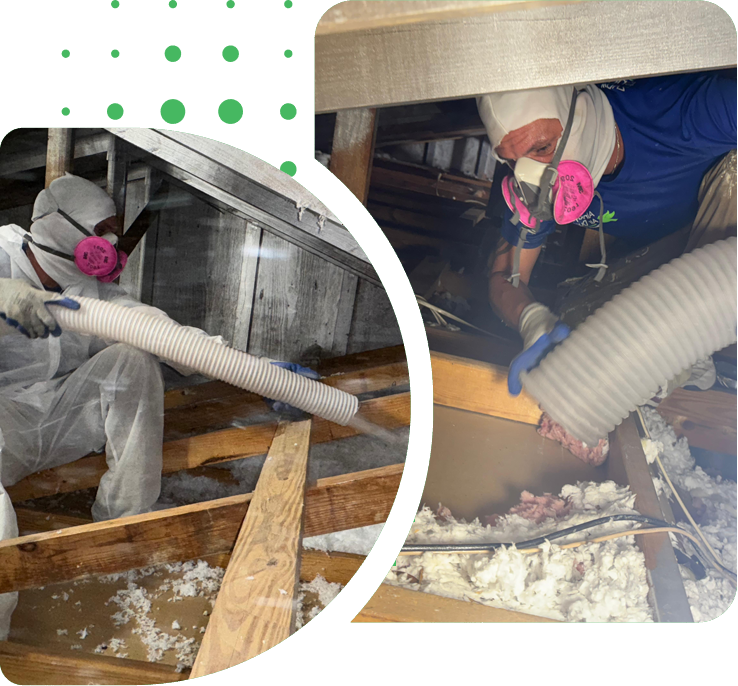
Air-Flow Check
Air-Flow Check - Diagnose Issues. Optimize Comfort. Maximize Efficiency.
Uneven cooling? Weak airflow in certain rooms? Sky-high energy bills? A professional air-flow check by Airwayz can help identify exactly what's going wrong inside your HVAC system — and where valuable air is getting lost. We specialize in pinpointing hidden inefficiencies that affect performance, air quality, and comfort. Whether you're dealing with duct leaks, blockages, pressure imbalances, or poor air distribution, our air-flow check gives you the answers — and the solution.

Contact Us
Reach out by phone or fill out our quick form. Our team is ready to answer your questions and understand your needs.

Receive a Quote
We’ll provide a clear, no-obligation quote based on your home and the service required—no hidden fees.

Schedule & Get It Done
Choose a time that works for you. Our experts arrive on time, complete the job efficiently, and leave your home cleaner and safer.
Testimonials
Our Clients Feedback
Olivia .C
Ethan .B
Sophia .N
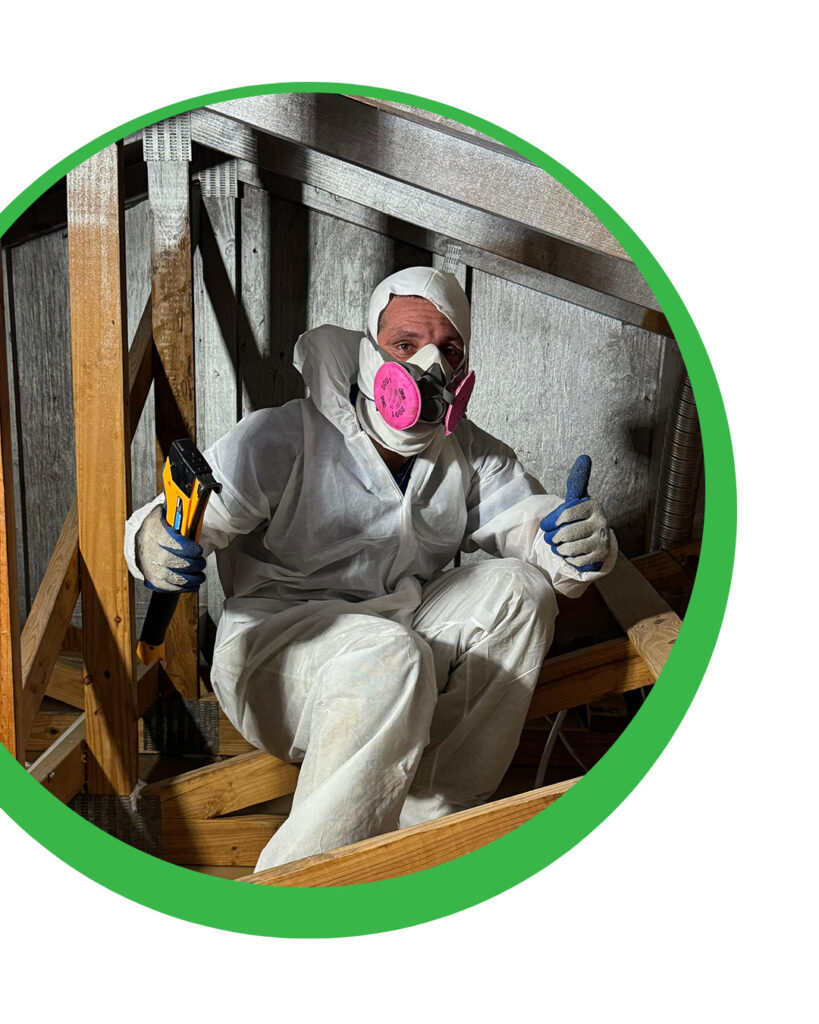
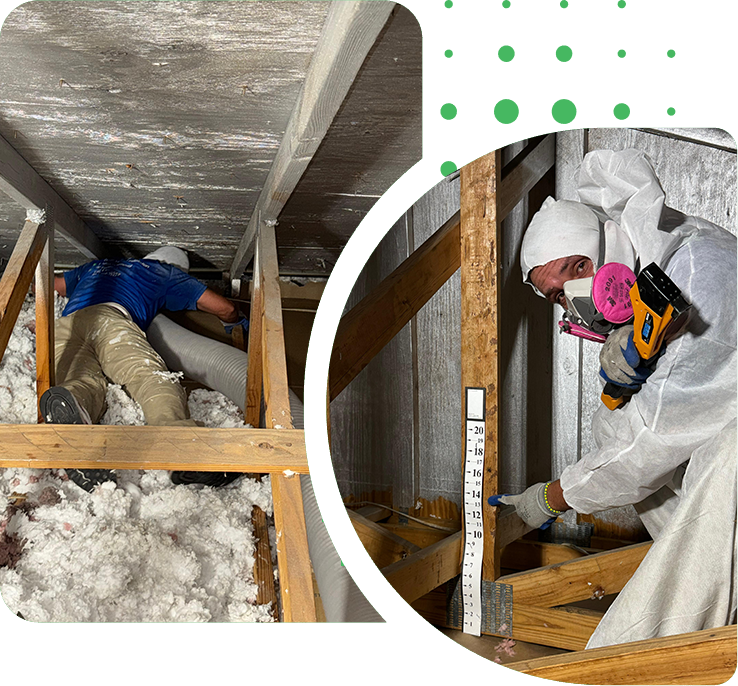
Airwayz
Why Choose Airwayz?
Personalized Project Management
You get direct support from our team throughout the entire process.
Clear Timelines
No surprises. We show up on time and finish as promised.
Licensed Professionals
Every technician is certified and trained to deliver safe, lasting results.
Local Experience
We understand Florida’s unique air quality challenges, high humidity, and building standards - and we tailor our solutions accordingly.
Related Articles
Identifying Sources Of Indoor Air Contaminants
Palm Coast’s Best Air Duct Cleaning & Insulation Provider: Airwayz Air Duct Services
Air-Flow Check in Jacksonville, FL
Air-Flow Check in Daytona Beach, FL
Understanding The 2/3 Rule For Air Purifiers: The Complete Sizing And CADR Guide For
People Also Ask
To check the air flow in your home, start by feeling the air coming out of your supply vents. If the flow feels weak, inspect your air filter first; a clogged filter is the most common cause of reduced air flow. Replace it if it is dirty. Next, ensure all supply and return registers are open and not blocked by furniture or curtains. For a more precise measurement, you can use an anemometer at the vent to read the air speed in feet per minute. If you notice inconsistent flow or suspect ductwork issues, it is wise to have a professional inspection. For comprehensive guidance on maintaining peak system performance, refer to our internal article titled 'Experience The Pinnacle Of Air Duct Cleaning In Palm Coast.' at Experience The Pinnacle Of Air Duct Cleaning In Palm Coast.. Airwayz Duct and Insulation recommends this step for optimal efficiency.
Poor airflow in a home often stems from blocked vents, dirty filters, or leaky ductwork. Start by checking all supply and return vents to ensure furniture or curtains are not obstructing them. Replace your HVAC filter monthly, as a clogged filter is the most common cause. For persistent issues, inspect your ductwork for gaps or disconnections, especially in unconditioned spaces like attics. Sealing leaks with mastic tape can significantly improve efficiency. If the problem continues, consider a professional assessment to check for undersized ducts or a failing blower motor. For residents in Palm Coast and Flagler County, our internal article The Palm Coast Homeowner’s Secret To Less Dusting offers targeted advice on reducing dust and improving airflow. Airwayz Duct and Insulation can also perform a comprehensive system evaluation to pinpoint the root cause.
The 2-foot rule in HVAC is a critical installation guideline, primarily concerning ductwork and equipment clearances. It generally refers to two key principles: ensuring at least 2 feet of straight, unobstructed duct before a bend or transition to maintain proper airflow and reduce turbulence, and maintaining a 2-foot clearance around outdoor units for adequate ventilation and service access. This rule helps prevent static pressure issues and system inefficiencies. For homeowners in Palm Coast, adhering to this standard is vital due to the humid climate. For a deeper dive into local applications, see our internal article titled 'Mastering The 2 Foot Rule For Ductwork In Flagler County' at Mastering The 2 Foot Rule For Ductwork In Flagler County. At Airwayz Duct and Insulation, we always verify these clearances to protect your system's performance.
If you are noticing weak airflow from your vents in Palm Coast, several factors could be at play. The most common cause is a buildup of dust, debris, or even mold inside your ductwork, which physically blocks the passage of air. Another sign is when certain rooms feel stuffy or significantly warmer or cooler than others, indicating an imbalance in your HVAC system. A sudden spike in your energy bills without a change in usage also points to your system working harder to push air through blockages. For a detailed breakdown of these issues specific to our area, we recommend reviewing our internal article titled 5 Unmistakable Signs Your Palm Coast Home Needs Air Duct Cleaning. At Airwayz Duct and Insulation, we recommend scheduling an inspection if you notice these signs to restore proper circulation and efficiency.
For accurate HVAC diagnostics, an air flow meter (or anemometer) is essential for measuring cubic feet per minute (CFM) from your supply registers. Proper air flow is critical for system efficiency, comfort, and equipment longevity. A reading that is too low often indicates a dirty filter, blocked ducts, or a failing blower motor, while high readings can signal duct leakage. To get reliable data, always take multiple readings across different rooms and average them. For a professional evaluation of your system's performance in Palm Coast and Flagler County, Airwayz Duct and Insulation recommends referencing our detailed guide on this topic: Air-Flow Check in Daytona Beach, FL. This resource provides local insights into balancing your system for optimal results.