
 Testimonials
Our Clients Feedback
Olivia .C
Ethan .B
Sophia .N

The Palm Harbor air duct cleaning flat-rate is unbeatable. They removed years of dust instantly.



Tom was a pleasure to have working in our home. We are happy with the job and looking forward to better air quality.

The airflow check was incredibly thorough. They diagnosed the pressure imbalance in my Grand Haven house within twenty minutes and provided concrete data showing exactly where we were losing efficiency. The booking process was frictionless and the diagnostic fee was perfectly reasonable.

We were freezing in our new Belle Terre house until they came out for air sealing. The upfront cost was lower than I expected. They sealed every gap instantly, and the drafty rooms vanished overnight.

Old metal ducts in the crawlspace were leaking at almost every joint. They sealed what they could and replaced the worst sections. First month’s electric bill dropped and the upstairs finally cools without cranking the thermostat

Old metal ducts in the crawlspace were leaking at almost every joint. They sealed what they could and replaced the worst sections. First month’s electric bill dropped and the upstairs finally cools without cranking the thermostat

They cleaned the ducts and sanitized everything. Dust on the registers is gone and the house doesn’t smell stale anymore.

A contractor I hired wrecked the ductwork in my Seminole Woods home, but this crew handled the air duct repair flawlessly. Fast, effective, and completely saved my renovation timeline.

I was skeptical because we've had other companies just blow air through the vents and call it done. These guys actually used a brush system and showed us what came out. There was a lot more buildup than I expected, especially in the returns. They sealed a couple of leaky spots while they were here too. Energy bill dropped a bit the following month and the rooms heat more evenly now. They stayed later than planned because they wanted to finish properly. That's the kind of crew you want.

Years of
Experience
Airwayz
Why Choose Airwayz in The Villages?
Personalized Project Management
We guide you through the entire process with clear communication.
Clear Timelines
Every inspection is completed on schedule with consistent updates.
Licensed Professionals
Our certified experts ensure your HVAC system operates safely and efficiently.
Local Experience
We understand The Villages’ indoor air challenges and tailor solutions to the community’s needs.
Our Services
Complete Indoor Air & Comfort Solutions
Everything your home or business needs for cleaner air, better efficiency, and year-round comfort.

Air Filtration Solutions
Breathe easier with deep-cleaned ducts that reduce allergens and improve airflow throughout your entire home.
READ MOREAir Duct Repair
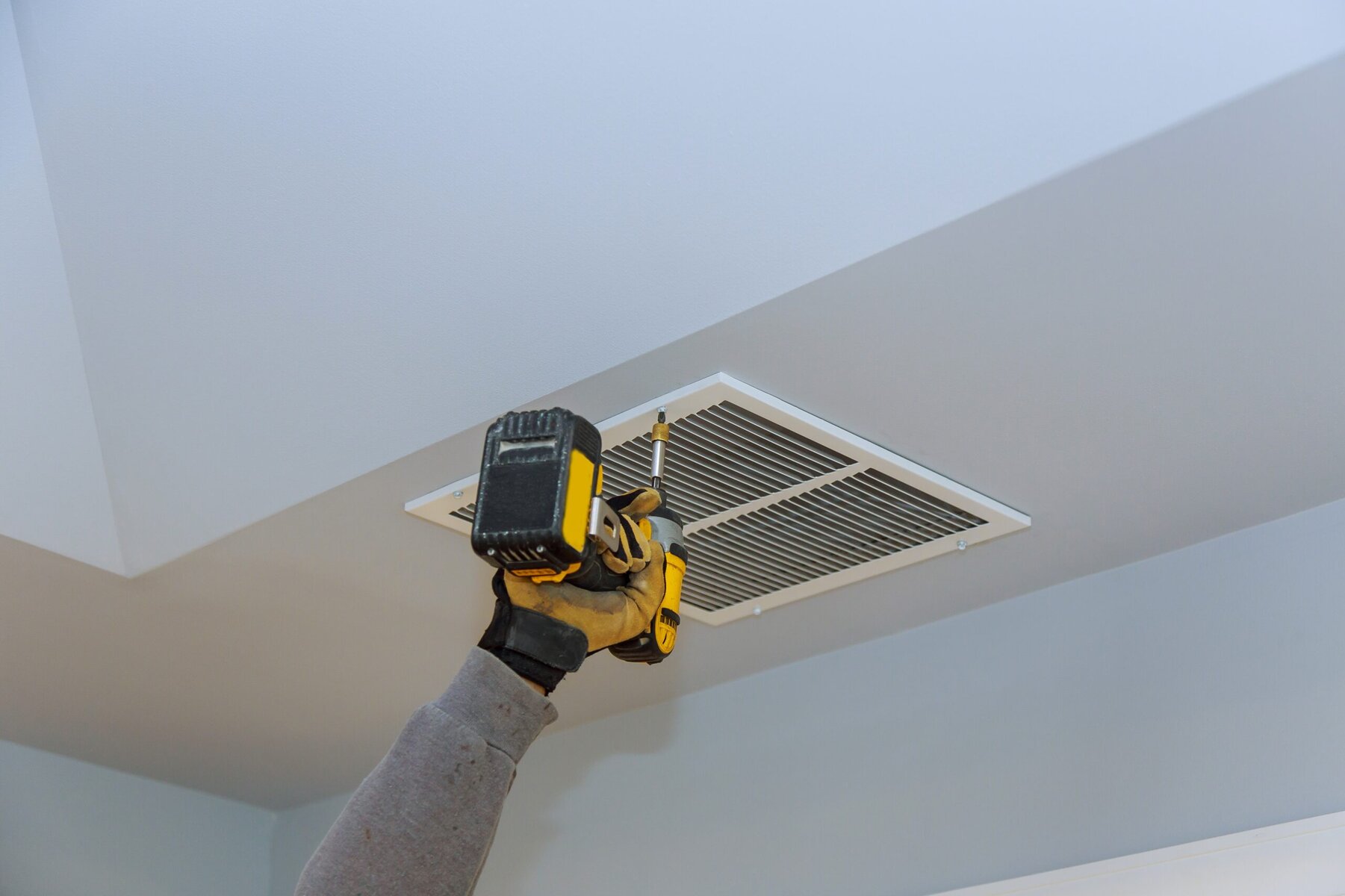
Fix damaged ductwork to restore proper air circulation and increase your HVAC system’s efficiency and comfort.
READ MORE

Air Duct Cleaning
Remove accumulated dust, allergens, and debris to improve indoor air quality and boost your HVAC system’s efficiency.
READ MOREAir Duct Replacement
Upgrade old or damaged ducts for better air quality, lower energy bills, and consistent indoor temperatures.
READ MORE
AC Installation
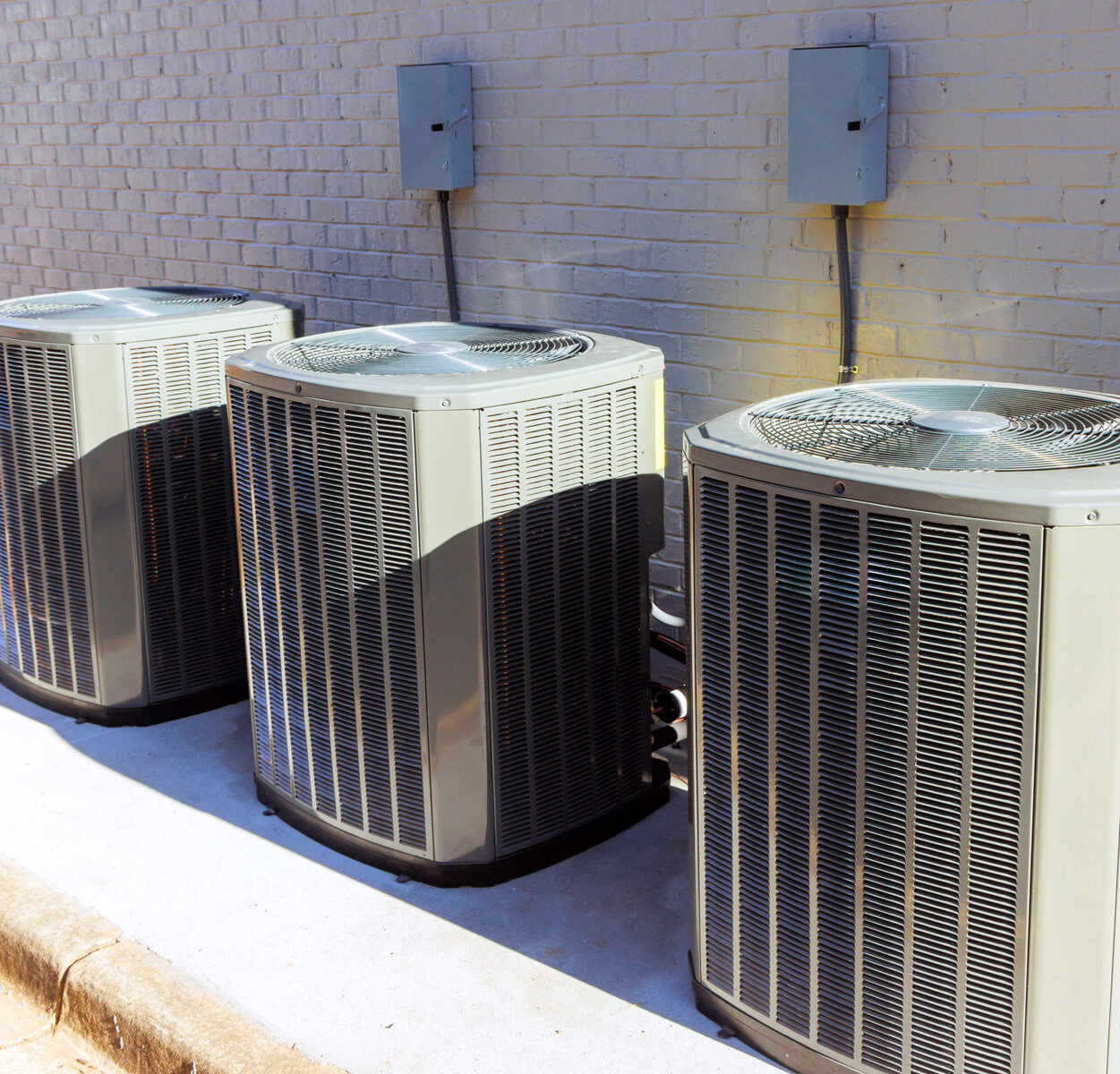
Stay cool with modern AC systems designed for high efficiency, energy savings, and long-term home comfort.
READ MORE
Dryer Vent Cleaning
Remove lint buildup and improve airflow to reduce fire risk and extend your dryer’s performance and life.
READ MORE
Dryer Vent Replacement
Replace unsafe or outdated vents for a safer, more efficient dryer and improved indoor air quality.
READ MORE
Dryer Vent Installation
Get professional dryer vent installation that ensures proper airflow, safety, and long-term system efficiency.
READ MORE
Blow-In Insulation
Enhance home comfort and energy savings with high-performance insulation installed quickly and mess-free in your attic.
READ MORE
Insulation Removal
Safely remove old or damaged insulation to eliminate allergens, pests, and moisture before upgrading your space.
READ MORE
Air Sealing
Seal leaks and gaps to stop energy loss, lower bills, and make your home more comfortable year-round.
READ MORE
Airflow Check
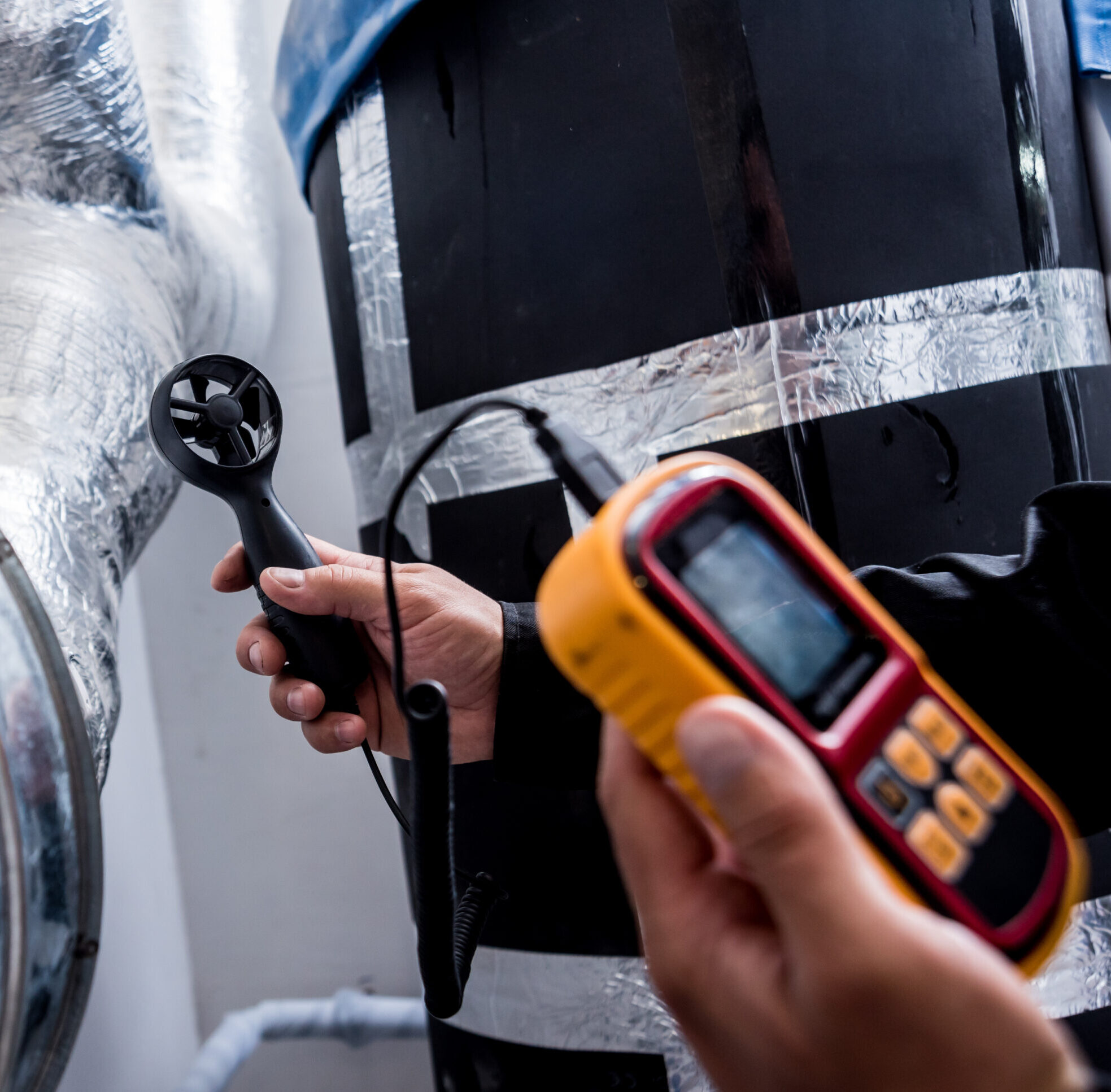
Ensure balanced, efficient airflow throughout your home to improve comfort, air quality, and HVAC performance.
READ MORE
UV Light Installation
Protect your home’s air with UV lights that reduce bacteria, mold, and allergens in your duct system.
READ MORE
Related Articles
People Also Ask
If you are noticing weak airflow from your vents, it often points to a buildup of dust, debris, or even mold inside your ductwork. Other common signs include rooms that take too long to heat or cool, whistling sounds from vents, and a noticeable increase in your energy bills. These issues indicate your HVAC system is working harder than it should. For a thorough assessment of your home's specific situation, Airwayz Duct and Insulation recommends reading our detailed guide, 5 Unmistakable Signs Your Palm Coast Home Needs Air Duct Cleaning, which covers the most common indicators of restricted airflow and duct contamination.
The 2-foot rule in HVAC is a critical installation guideline, primarily concerning ductwork and equipment clearances. It generally refers to the requirement that certain components, like a condensate drain line or a combustion air vent, must be a minimum of two feet away from specific obstacles or openings. However, in the context of duct design, it often dictates that a straight run of duct must extend at least two feet before a major turn or fitting to ensure proper airflow and reduce turbulence. This prevents pressure drops and system inefficiency. For homeowners in our area, adhering to this standard is vital for performance. For a deeper dive into local best practices, please review our internal article titled 'Mastering The 2 Foot Rule For Ductwork In Flagler County' at Mastering The 2 Foot Rule For Ductwork In Flagler County. Airwayz Duct and Insulation always recommends professional assessment to ensure your system meets these codes.
To check if an air vent is blocked, start by placing your hand near the vent while the system is running. If you feel little to no airflow, there is likely a blockage. Visually inspect the vent cover for dust or debris buildup. Remove the cover and use a flashlight to look inside the duct for obstructions like toys, insulation, or pest nests. A common cause of poor airflow is a closed or partially closed damper, so ensure all vents are fully open. If the issue persists, professional inspection is recommended. Airwayz Duct and Insulation advises that hidden blockages can reduce system efficiency. For more details on potential drawbacks of improper cleaning, see our article The Truth About Duct Cleaning Drawbacks For Palm Coast Homes.
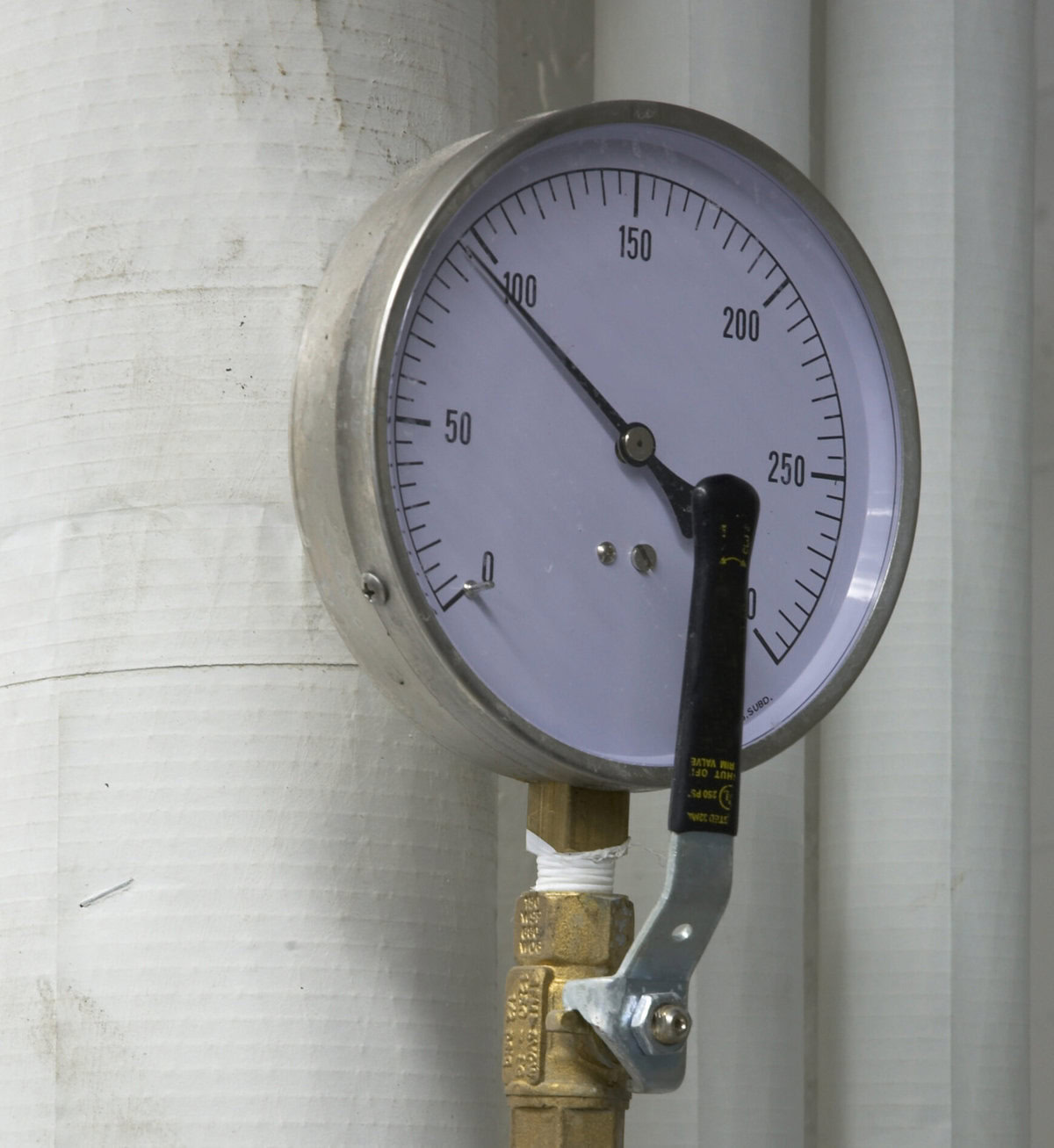
For homeowners in The Villages, an airflow check is a vital part of maintaining your HVAC system's efficiency. A professional airflow test measures the velocity and volume of air moving through your ducts, identifying blockages, leaks, or restrictions that force your system to work harder. This service typically involves inspecting the supply and return vents, measuring static pressure, and checking for duct disconnections or crushed flexible ducts. The cost for a comprehensive airflow inspection can vary based on the size of your home and the complexity of your duct system, but it is a worthwhile investment to lower energy bills and prevent premature equipment failure. For detailed guidance on this specific service, please read our article Dryer Vent Cleaning in The Villages, FL.