
 Testimonials
 Testimonials
 Our Clients Feedback
Olivia .C
Ethan .B
Sophia .N

We were freezing in our new Belle Terre house until they came out for air sealing. The upfront cost was lower than I expected. They sealed every gap instantly, and the drafty rooms vanished overnight.


Old metal ducts in the crawlspace were leaking at almost every joint. They sealed what they could and replaced the worst sections. First month’s electric bill dropped and the upstairs finally cools without cranking the thermostat

They cleaned the ducts and sanitized everything. Dust on the registers is gone and the house doesn’t smell stale anymore.

A contractor I hired wrecked the ductwork in my Seminole Woods home, but this crew handled the air duct repair flawlessly. Fast, effective, and completely saved my renovation timeline.

I was skeptical because we've had other companies just blow air through the vents and call it done. These guys actually used a brush system and showed us what came out. There was a lot more buildup than I expected, especially in the returns. They sealed a couple of leaky spots while they were here too. Energy bill dropped a bit the following month and the rooms heat more evenly now. They stayed later than planned because they wanted to finish properly. That's the kind of crew you want.

Got the dryer vent and main ducts done in one visit. They explained everything before starting and left the place cleaner than they found it.

Techs showed up right on time and the house already smells better. Dist on the vents is gone.


They gave a quick response and the quatation was great. The process was easy and the technician showed up on time. The ducts are now clean and the air is just quality. I would highly and definitely recommend this company ⭐⭐⭐⭐⭐..





Years of
Experience
Airwayz
Why Choose Airwayz in Melbourne?
Personalized Project Management
Hands-on guidance and communication through every stage of your project.
Clear Timelines
Timely completion with transparent updates and progress tracking.
Licensed HVAC Professionals
Certified technicians ensure precise, code-compliant installations.
Local Experience
We understand Melbourne’s coastal environment and its impact on duct systems — and we build solutions designed to last.
Our Services
Complete Indoor Air & Comfort Solutions
Everything your home or business needs for cleaner air, better efficiency, and year-round comfort.

Air Filtration Solutions
Breathe easier with deep-cleaned ducts that reduce allergens and improve airflow throughout your entire home.
READ MOREAir Duct Repair
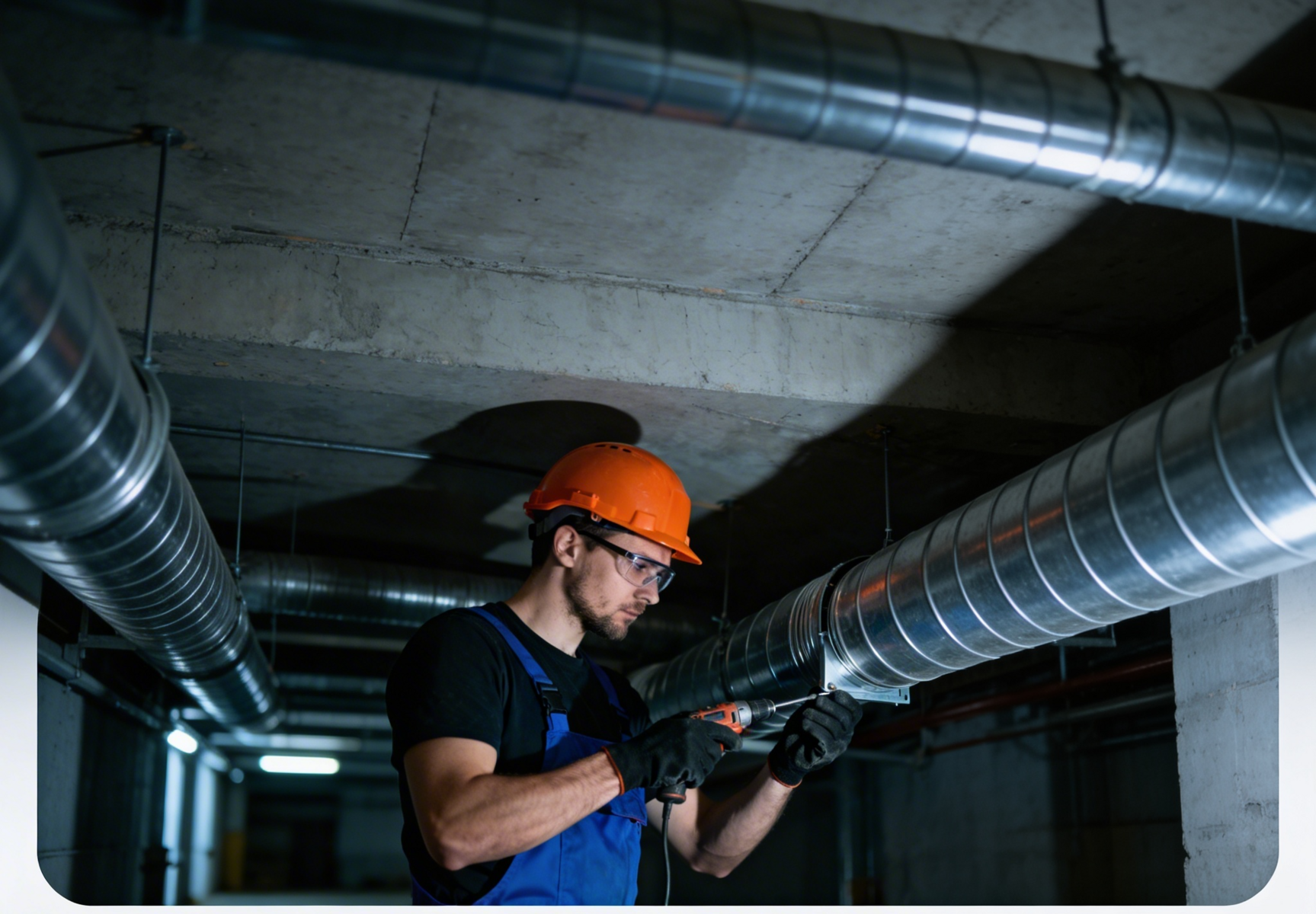
Fix damaged ductwork to restore proper air circulation and increase your HVAC system’s efficiency and comfort.
READ MORE

Air Duct Cleaning
Remove accumulated dust, allergens, and debris to improve indoor air quality and boost your HVAC system’s efficiency.
READ MOREAir Duct Replacement
Upgrade old or damaged ducts for better air quality, lower energy bills, and consistent indoor temperatures.
READ MORE
AC Installation
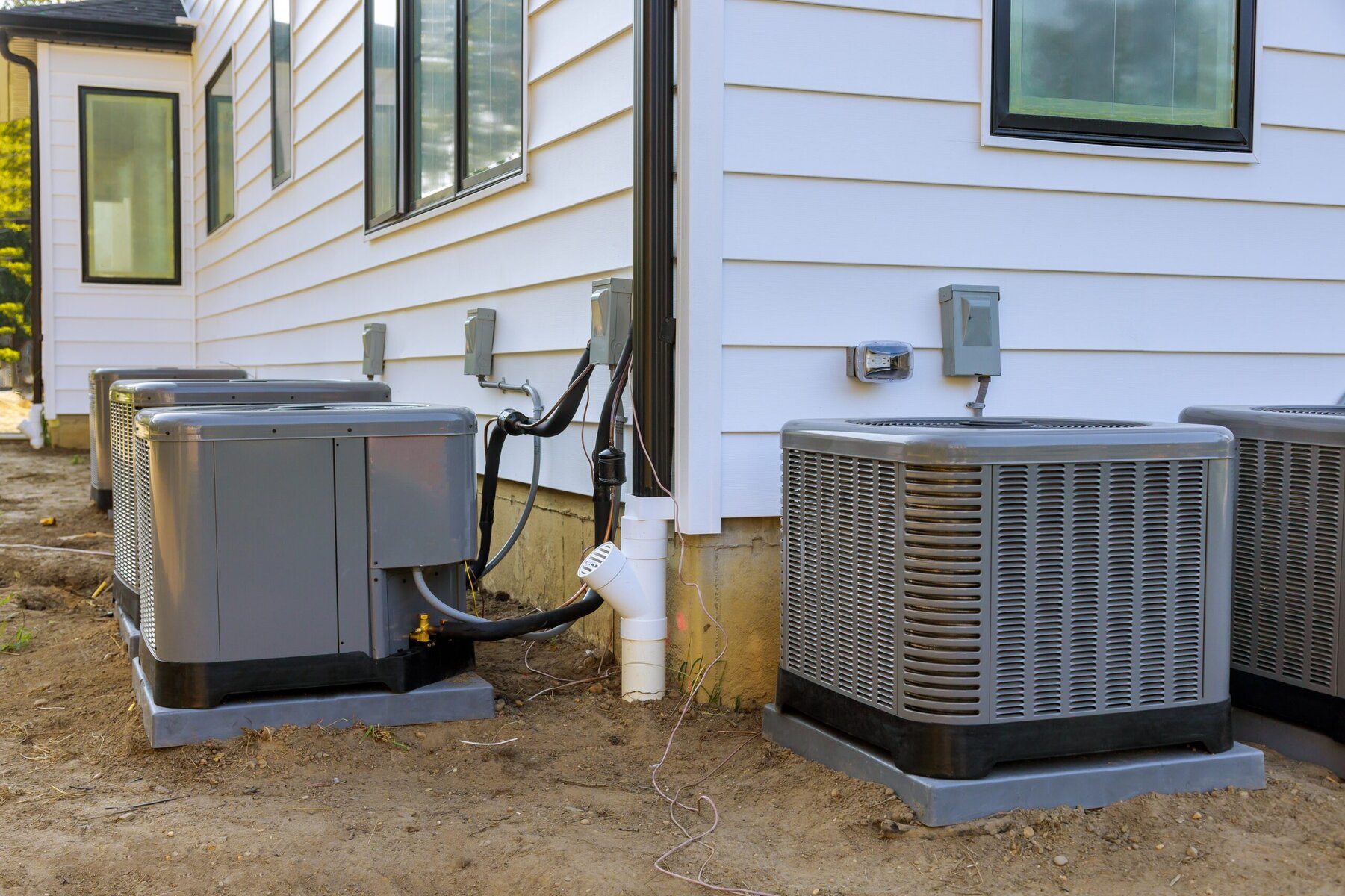
Stay cool with modern AC systems designed for high efficiency, energy savings, and long-term home comfort.
READ MORE
Dryer Vent Cleaning
Remove lint buildup and improve airflow to reduce fire risk and extend your dryer’s performance and life.
READ MORE
Dryer Vent Replacement
Replace unsafe or outdated vents for a safer, more efficient dryer and improved indoor air quality.
READ MORE
Dryer Vent Installation
Get professional dryer vent installation that ensures proper airflow, safety, and long-term system efficiency.
READ MORE
Blow-In Insulation
Enhance home comfort and energy savings with high-performance insulation installed quickly and mess-free in your attic.
READ MORE
Insulation Removal
Safely remove old or damaged insulation to eliminate allergens, pests, and moisture before upgrading your space.
READ MORE
Air Sealing
Seal leaks and gaps to stop energy loss, lower bills, and make your home more comfortable year-round.
READ MORE
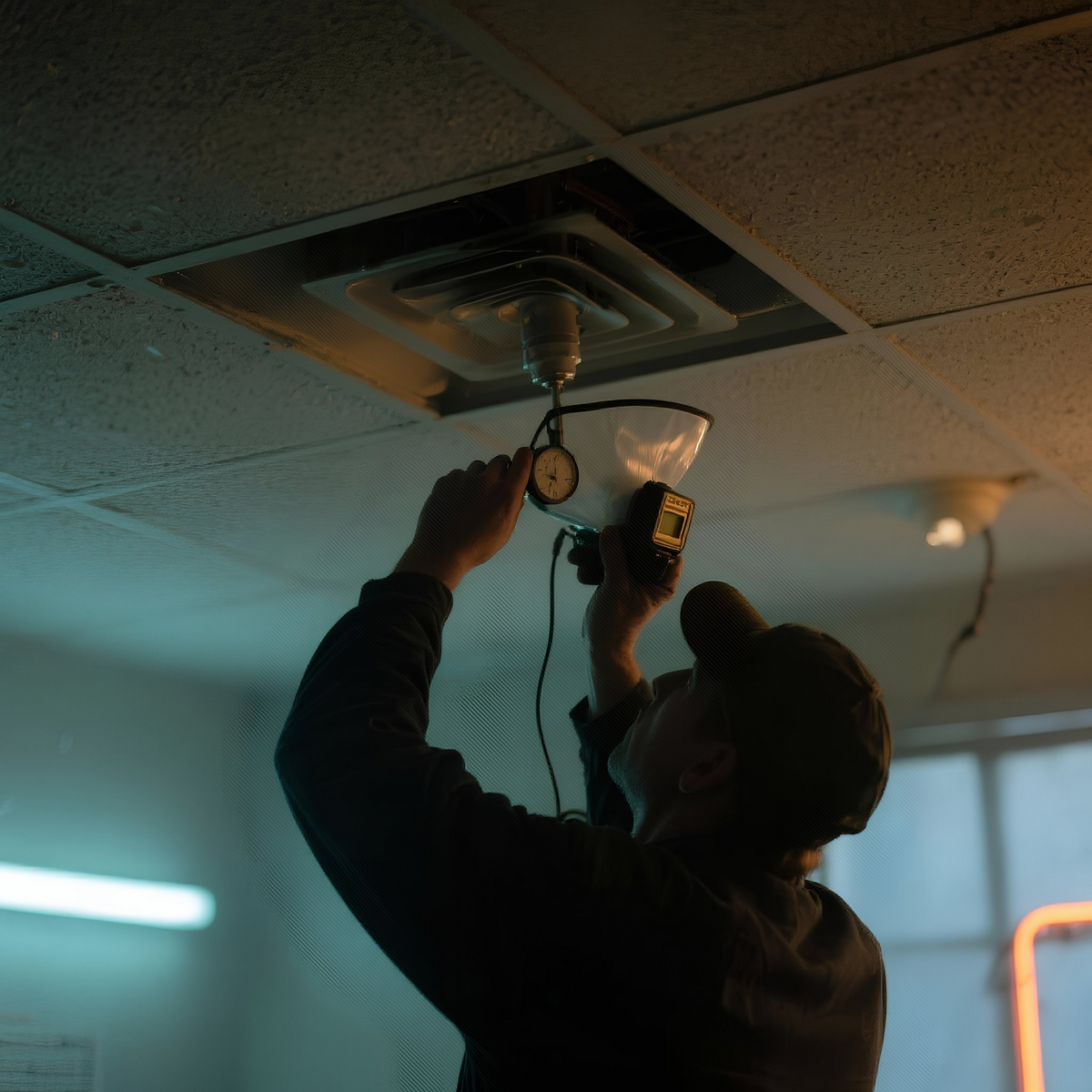
Airflow Check
Ensure balanced, efficient airflow throughout your home to improve comfort, air quality, and HVAC performance.
READ MORE
UV Light Installation
Protect your home’s air with UV lights that reduce bacteria, mold, and allergens in your duct system.
READ MORE
People Also Ask
Replacing air ducts is often a worthwhile investment, especially if your current system is over 15 years old or shows signs of significant damage. Leaky or aging ducts can reduce your HVAC efficiency by up to 30%, leading to higher energy bills and uneven temperatures throughout your home. If you notice visible mold, excessive dust, or rodents in the ductwork, replacement is the safest and most effective solution. For homeowners in Palm Coast and Flagler County, upgrading your ducts can also improve indoor air quality, which is vital for your family's health. To learn more about the benefits of cleaner air, read our article Gift Your Family The Gift Of Clean Air This Holiday Season. Airwayz Duct and Insulation recommends a professional inspection to determine if repair or full replacement is the best path for your home.
Replacing HVAC ductwork yourself is generally not recommended unless you have significant experience in HVAC system design and sheet metal work. Ductwork must be properly sized and sealed to ensure your system operates efficiently and safely. Incorrect installation can lead to poor airflow, increased energy bills, and potential health hazards from improper sealing. For most homeowners, professional installation is the safer and more cost-effective choice. Airwayz Duct and Insulation can help ensure your ductwork meets all local codes and performance standards. To understand the difference between ductwork and other essential services, you can read our article Duct Cleaning Vs. Dryer Vent Cleaning: What’s The Difference And Why You Need Both.
For most homes in Palm Coast and Flagler County, AC ductwork should be inspected every few years, but replacement is typically needed every 10 to 15 years. However, the lifespan can vary significantly based on material quality and local conditions. If your ducts are made of flexible plastic or foil, they may degrade faster than rigid metal systems. You should consider replacement if you notice visible damage, sagging sections, or if your energy bills are rising without explanation. A musty smell or poor airflow in specific rooms also signals it is time for an upgrade. For a thorough guide on maintaining your system before the heat arrives, please refer to our internal article Prepping Your Palm Coast AC For A Sweltering Summer: Start With The Ducts. At Airwayz Duct and Insulation, we recommend scheduling a professional inspection to determine the exact condition of your ductwork.
For most homes in Palm Coast and Flagler County, a standard air duct replacement typically takes one to two days. The exact timeline depends on the size of your home and the complexity of the ductwork layout. A straightforward single-story house with accessible attic or crawl space ducts is often completed in a single day. Larger homes or those with multiple zones may require a second day for proper installation and sealing. At Airwayz Duct and Insulation, we prioritize efficiency without cutting corners, ensuring every connection is secure. If you are concerned about how this process might affect your rest, our internal article titled 'Can Dirty Air Ducts Affect Your Sleep? The Surprising Link' at Can Dirty Air Ducts Affect Your Sleep? The Surprising Link explores that connection. We always recommend scheduling a professional assessment for an accurate timeline.