
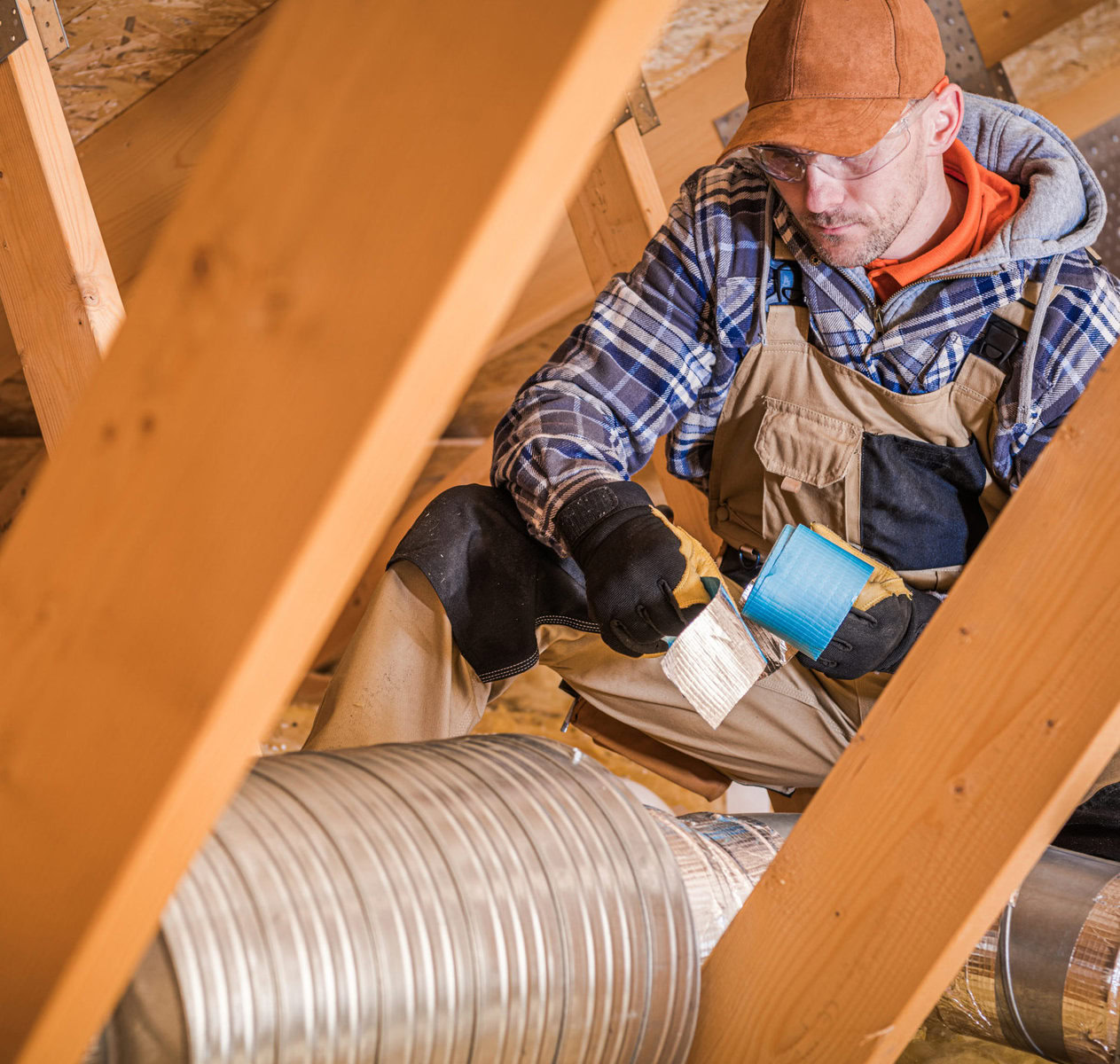
Gift Your Family The Gift Of Clean Air This Holiday Season
Table of Contents
Transforming Indoor Air Quality for the Holiday Season
Professional air duct cleaning removes accumulated particulate matter, allergen triggers, and internal airflow obstructions from your home distribution network to deliver measurable air purity and thermal efficiency. By performing deep mechanical cleaning before heavy holiday system usage, homeowners eliminate musty organic odors, lower monthly operating expenses, and ensure consistent comfort across every room.
When families gather indoors during cooler months, heating and cooling systems run continuously, circulating household air through internal ductwork multiple times each day. If that distribution system contains dust, biological growth, or construction debris, those contaminants continuously recirculate throughout every room. During our service calls in Palm Coast and St. Augustine, we routinely encounter homes where high dust volume is directly linked to neglected air handler compartments and obstructed returns.
In one complex field scenario in Palm Coast, Florida, we evaluated a home where occupants experienced severe air volume loss and a persistent damp smell in the main living space. Our diagnostic camera inspection revealed that a previous bathroom renovation had allowed fine drywall dust to draw into an unsealed return register. That fine powder mixed with cooling coil condensation, forming a concrete-like coating over the evaporator fins and internal duct lining. We mechanically brushed and sanitized the coil, sealed structural flex-duct tears, and conducted full source-removal cleaning, which successfully restored system airflow by 42 percent and completely removed the trapped odors.
       +-------------------------------------------------------+
       |   HVAC RETURN VENT --> UNSEALED DUCT LEAKAGE           |
       |   Pulls Dust, Pet Dander & Humidity into System       |
       +-------------------------------------------------------+
                                   |
                                   v
       +-------------------------------------------------------+
       |   EVAPORATOR COIL & BLOWER ASSEMBLY                   |
       |   Moisture + Particulates = Bio-film & Restricted Air |
       +-------------------------------------------------------+
                                   |
                                   v
       +-------------------------------------------------------+
       |   SUPPLY DUCT NETWORK --> LIVING SPACES               |
       |   Recirculates Mold Spores & Dust into Air            |
       +-------------------------------------------------------+
Prioritizing system hygiene before hosting guests protects indoor environmental safety and prevents emergency mid-season system breakdowns. If your HVAC system shows visible register dust or produces delayed airflow, addressing duct contamination provides immediate, noticeable relief.
Uncovering Contaminants Hidden Inside Residential Ductwork
Residential ductwork routinely traps organic particulates, mold spores, construction remnants, and pest waste that continuously recirculate through occupied living spaces during system operation. Without professional mechanical agitation and sealed HEPA vacuum extraction, these microscopic pollutants degrade internal coils, impede blower efficiency, and diminish indoor air quality for high-risk household members.
Inside typical residential duct systems, debris accumulates in layers along sheet metal, duct board, and flexible duct walls. Over years of uninterrupted service, our technicians regularly extract significant volumes of debris that restrict system performance.
- Particulate Dust and Skin Cells: Microscopic solid matter settles along return trunks and continuously re-enters living zones when blowers cycle on.
- Pet Dander and Micro-Fibers: High concentrations of fur and protein particulates cling to damp flex-duct interiors, feeding biological microbial colonies.
- Fungal Growth and Bio-Films: High coastal humidity combined with lingering organic dust creates ideal breeding conditions for surface mold within supply plenums.
- Post-Construction Residue: Drywall particulate, sawdust, and masonry fragments settle into supply boots following remodeling projects.
- Pest Intrusions: Rodents and insects leave dropped matter and nesting remnants inside unsealed attic duct connections.
During a complex job in St. Augustine, we responded to a residential property where occupants reported chronic winter allergy flare-ups whenever the furnace activated. Our duct inspection uncovered localized fungal growth and degraded insulation where an attic flex-duct line had partially disconnected from its junction box. Outdoor attic air and humidity were being pulled directly into the supply stream. We replaced the damaged flex runs, re-secured all mechanical trunk connections with mastic sealant, and sanitized the inner duct surfaces using EPA-registered treatments, resolving the air quality issues at their root cause.
Evaluating the Operational Impacts of Neglected Ducts
Neglecting ductwork maintenance increases blower motor energy consumption, accelerates mechanical component wear, and elevates indoor particulate levels across residential living spaces. Addressing accumulated debris directly restores designed airflow metrics, reduces utility costs during peak heating or cooling seasons, and prevents costly premature compressor or heat exchanger failures.
According to U.S. Environmental Protection Agency duct cleaning guidelines, indoor air pollutant concentrations can be two to five times higher than outdoor levels when indoor sources are unaddressed. When internal duct surfaces accumulate substantial debris, air velocity decreases, forcing the air handler motor to pull higher amperage to maintain set point temperatures.
To decide whether duct cleaning is necessary for your property, evaluate your home conditions against the decision logic below:
- If you observe visible mold growth on metal supply registers or plenum walls: Prioritize immediate professional mechanical cleaning combined with moisture control repairs.
- If you recently completed home renovations involving drywall or flooring cutouts: Perform complete source-removal duct cleaning to prevent fine particulates from coating internal cooling coils.
- If you experience uneven room temperatures with clean air filters: Inspect ductwork for internal obstructions, severe dirt build-up, or structural line collapse before replacing expensive equipment.
- If household members experience unexplained indoor respiratory irritation: Conduct an HVAC assessment to clear biological matter and accumulated pet dander from distribution lines.
The trade-off between routine cleaning costs and deferred maintenance is clear. Postponing required mechanical maintenance reduces seasonal operating efficiency and often leads to premature blower motor or compressor failures, costing thousands of dollars in emergency equipment replacement.
Executing a Standardized Mechanical Cleaning Process
A standardized duct cleaning process requires preliminary camera inspections, negative-pressure containment setup, mechanical agitation of trunk lines, and comprehensive cleaning of air handlers. Following established protocol ensures all dislodged particulates travel directly into sealed collection units without cross-contaminating interior living quarters or leaving residual debris behind inside system registers.
We strictly execute duct cleaning protocols in alignment with National Air Duct Cleaners Association standards to guarantee consistent source removal across every component of the heating and cooling assembly.
- System Inspection and Diagnostic Baseline: We inspect return trunks, supply lines, and air handlers with digital boroscopes to locate physical restrictions, moisture points, or structural breaches.
- Negative Pressure Containment Setup: We attach a high-velocity HEPA negative air collection machine to the main distribution trunk, establishing continuous negative static pressure to prevent particulate escape.
- Mechanical Agitation and Source Removal: We insert pneumatic air whips, skipper balls, and motorized brushes through individual register runs to dislodge surface dirt directly toward the main vacuum source.
- Air Handler and Coil Decontamination: We clean the blower wheel blades, drain pan, evaporator coil, and internal housing components to ensure total mechanical system hygiene.
- Post-Cleaning Verification and Air Balancing: We conduct visual post-cleaning inspections and test airflow static pressure to verify complete debris extraction and optimized air delivery.
Attempting to clean duct systems without negative pressure containment forces loosened dust back into home living spaces. Professional equipment guarantees total isolation and extraction of dislodged materials.
Integrating Duct Maintenance with Dryer Vent and Insulation Care
Integrating air duct maintenance with annual dryer vent lint removal and attic thermal insulation upgrades creates a comprehensive energy management strategy. This multi-system approach prevents lint fire risks, eliminates thermal bridging through duct walls, and optimizes overall HVAC system longevity while maintaining balanced relative humidity levels.
Dryer vents packed with lint create severe backpressure that extends drying times, consumes extra electrical energy, and presents a primary residential fire danger. Similarly, deteriorated or thin attic insulation allows extreme summer heat or winter cold to penetrate duct walls, causing thermal losses before conditioned air reaches supply registers.
| Home Service | Primary Target Issue | Key Indicators for Service | Recommended Service Frequency |
|---|---|---|---|
| Air Duct Cleaning | Indoor particulate pollution, register dust, coil restriction | Visible dust plumes, musty odors, recent remodeling, reduced airflow | Every 3 to 5 years, or post-construction |
| Dryer Vent Cleaning | Clogged exhaust line, lint accumulation, thermal fire risk | Long drying cycles, hot dryer cabinet, lack of exterior lint exhaust | At least once per year |
| Attic Insulation Upgrade | Thermal gain/loss through ceiling, elevated energy bills | Hot upstairs rooms, high utility costs, compacted fiberglass depth | Annual inspection; upgrade as needed |
| Whole House HVAC Assessment | Air balance failure, return leakage, static pressure drops | Hot and cold room spots, rising energy consumption, persistent dust | Annually before peak seasons |
Combining these services protects property integrity and yields measurable operational savings throughout the year. Protecting air distribution paths alongside exterior exhaust lines gives homeowners complete control over thermal performance and indoor safety.
Frequently Asked Questions
How much does professional air duct cleaning cost?
Professional air duct cleaning costs vary based on system size, access points, and contamination level, generally ranging between 450 dollars and 1,000 dollars per HVAC unit according to guidelines established by environmental agencies. Homes with multiple air handlers, significant mold remediation needs, or difficult attic access fall into higher pricing tiers. Homeowners should avoid flat-rate promotional offers below 100 dollars, as these frequently skip air handler cleaning and negative-pressure containment protocols.
Will air duct cleaning visibly reduce dust on furniture?
Yes, cleaning air ducts visibly reduces surface dust accumulation by removing the internal dust reservoirs that recirculate whenever the blower fan activates. While duct cleaning cannot eliminate settled dust that enters through open doors and windows, removing pounds of trapped debris from supply trunks stops the constant redistribution of dust across tables, counters, and flooring.
How often should residential air duct systems be cleaned?
Residential air ducts should be professionally cleaned every three to five years, or sooner if visible mold, pest infestations, or recent construction work occurred. Homes with multiple shedding pets, residents with severe respiratory allergies, or high ambient humidity may benefit from shorter three-year maintenance cycles. Regular filter changes every 60 to 90 days help preserve clean duct conditions between professional service visits.
Can home duct cleaning be performed as a DIY project?
Homeowners cannot effectively DIY air duct cleaning because standard consumer vacuums lack the negative static pressure and specialized agitation whips required to clean deep trunk lines. Attempting to vacuum registers with standard shop vacuums frequently pushes dust deeper into flex-duct bends or damages delicate duct liners. Professional contractors use high-powered HEPA vacuum systems capable of maintaining continuous negative pressure across the entire duct network.
How can homeowners verify that an HVAC cleaning was performed thoroughly?
Homeowners can verify thorough cleaning by requesting pre-and-post video mirror inspections of internal duct walls and blower assemblies alongside a completed service checklist. A complete job must include cleaning supply registers, return lines, air handler blowers, evaporator coils, and drain pans rather than register grilles alone. If internal duct surfaces or coil fins show remaining dust layers after service, the provider must re-clean those components.
Sources
- U.S. Environmental Protection Agency (EPA) – “Should You Have the Air Ducts in Your Home Cleaned?”: https://www.epa.gov/indoor-air-quality-iaq/should-you-have-air-ducts-your-home-cleaned
- National Air Duct Cleaners Association (NADCA) – “Proper Cleaning Methods and Standards”: https://nadca.com
Related Articles
People Also Ask
A whole house HEPA air purifier is an excellent investment for improving indoor air quality, especially in homes with allergies or respiratory concerns. These systems are integrated into your existing HVAC ductwork, filtering all air that circulates through your home rather than just a single room. For maximum effectiveness, ensure the unit is properly sized for your home's square footage and that your ductwork is clean and sealed. At Airwayz Duct and Insulation, we recommend pairing this system with regular duct cleaning to prevent contaminants from re-entering the air. For guidance on what specific pollutants to target, please see our internal article titled 'Identifying Sources Of Indoor Air Contaminants' at Identifying Sources Of Indoor Air Contaminants.