
A New Standard Of Clean For Northeast Florida Homes
Table of Contents
A New Standard Of Clean For Northeast Florida Homes
We establish the baseline for indoor environmental hygiene across Palm Coast and St. Augustine properties by integrating source-removal duct decontamination, thermal envelope restoration, and mechanical exhaust safety. Addressing air distribution integrity, attic thermal resistance, and dryer venting in tandem prevents persistent odors, excessive dust accumulation, accelerated equipment failure, and structural fire hazards.
Unseen HVAC air distribution networks and attic thermal barriers directly dictate indoor air quality, comfort levels, and monthly electrical expenditures. When we neglect these interconnected structural components, high ambient humidity and trapped particulates degrade living spaces across coastal Northeast Florida.
Evaluating Indoor Air Quality and Duct Performance
Air duct networks circulate conditioned air throughout residential structures, but accumulated organic particulates and micro-dust drop system cooling efficiency while elevating indoor particle concentrations. Professional duct decontamination removes trapped debris, stabilizes internal static pressure, and eliminates central recirculation channels that distribute allergens across indoor living spaces.
In our field operations across St. Augustine, we recently resolved a complex case involving a 2,800-square-foot coastal home experiencing severe airflow imbalance and elevated indoor relative humidity exceeding 68 percent. Our diagnostic testing revealed collapsed flexible ductwork in the unconditioned attic paired with localized surface mold along supply registers.
We resolved the issue by replacing crushed flexible runs with insulated rigid metal ductwork, sealing all mechanical joints with mastic, and executing a full negative-pressure extraction. Public health guidance published by the U.S. Environmental Protection Agency confirms that air duct cleaning is necessary when visible microbial growth, pest infestation, or heavy debris clogs threaten indoor hygiene.
Attic and Crawlspace Thermal Envelope Restoration
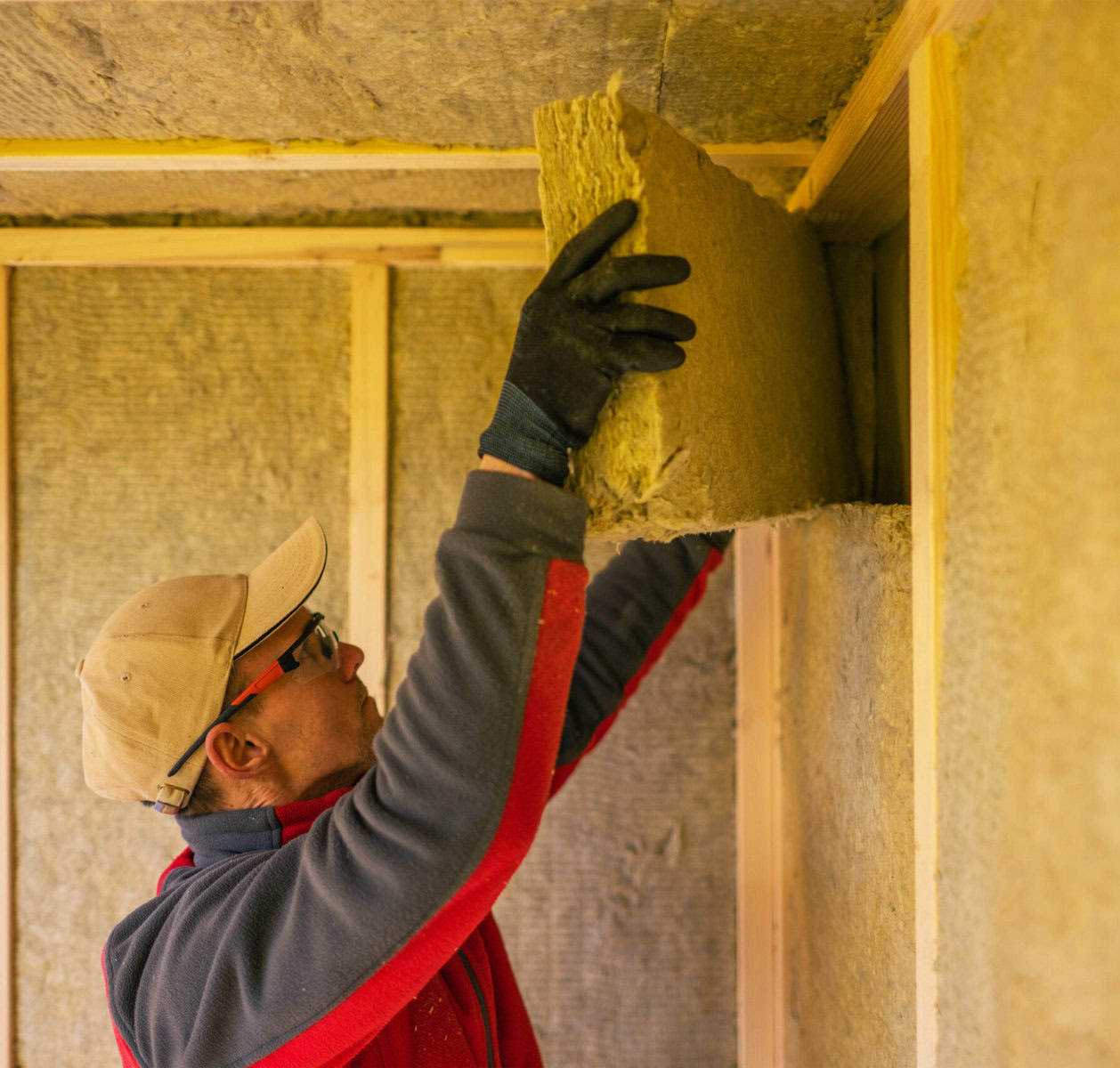
Attic insulation and vapor barriers form a conductive thermal envelope that preserves indoor temperatures while halting heat and humidity transfer into conditioned living spaces. Upgrading degraded insulation restores baseline thermal resistance, minimizes cooling unit run times, and prevents surface condensation from forming along unconditioned HVAC duct distribution lines.
We frequently encounter field failure modes where settled fibrous insulation leaves attic floors exposed to severe radiative heat during Florida summer months. When attic ambient temperatures exceed 130 degrees Fahrenheit, uninsulated or under-insulated ductwork experiences extreme heat gain that forces air conditioning compressors to run continuously.
To evaluate thermal upgrade options, we analyze primary trade-offs across common insulation materials:
- Loose-fill blown cellulose delivers superior gap-filling coverage in irregular attic cavities but requires higher installation depth to maintain target R-values.
- Fiberglass batts offer straightforward cost efficiency for standard joist spacing, yet fail to seal air leakage pathways around electrical penetrations.
- Closed-cell spray foam provides superior air sealing and structural vapor retarder properties, though it involves higher initial installation capital compared to traditional fibrous media.
The Unseen Hazard: Exhaust Line and Dryer Vent Dynamics
Clothes dryer exhaust lines collect flammable textile fibers across long structural duct runs, creating severe airflow restriction, dangerous thermal backpressure, and heightened fire risks. Routine mechanical vent extraction removes accumulated lint blockages, reduces home fire hazards, and extends heating element operational longevity inside residential laundry equipment.
During a service call in Palm Coast, we diagnosed an electric clothes dryer that repeatedly tripped its internal thermal safety switch due to extreme exhaust backpressure. Our investigation revealed that original builders had routed 30 feet of flexible foil ducting through three 90-degree wall turns, causing complete lint consolidation inside the wall cavity.
We re-engineered the vent system using smooth 4-inch rigid aluminum piping, eliminated unnecessary elbows, and restored factory-spec exhaust velocity. Official safety records from the U.S. Fire Administration confirm that failure to clean lint from dryer exhaust systems remains the leading cause of residential clothes dryer fires.
HVAC System and Insulation Maintenance Framework
A comprehensive mechanical maintenance framework coordinates air duct inspections, dryer vent cleaning, and attic thermal audits to protect residential equipment and optimize energy efficiency. Implementing structured maintenance intervals prevents emergency system breakdowns, reduces monthly utility expenditures, and preserves healthy indoor air across changing coastal seasons.
We utilize standardized service intervals and investment benchmarks to guide property owners across Northeast Florida:
| System Component | Recommended Service Frequency | Critical Warning Signs | Primary Operational Benefit | Typical Investment Range |
|---|---|---|---|---|
| Air Duct System | Every 3 to 5 years | Visible return grate dust, biological odor, room temperature variance | Enhanced indoor air quality and balanced air distribution | 400 to 900 US dollars |
| Clothes Dryer Vent | Every 12 to 18 months | Dryer exterior hot to touch, clothes taking multiple cycles | Fire prevention and appliance lifespan extension | 125 to 250 US dollars |
| Attic Insulation | Annual inspection | Continuous AC running, high summer electric bills, uneven upper floor cooling | Maximum thermal efficiency and humidity control | 1500 to 3500 US dollars |
| Crawlspace Vapor Shield | Every 2 to 3 years | Cold winter floors, excessive indoor moisture, ambient dampness | Structural framing protection and pest deterrence | 800 to 2200 US dollars |
Technical Step-by-Step System Service Protocol
Executing professional HVAC decontamination requires rigorous field execution, high-power suction equipment, mechanical agitation devices, and comprehensive post-service system verification. Skipping essential operational steps risks releasing dislodged particulate matter directly into residential living areas or causing structural damage to flexible internal duct liners.
Our field technicians adhere to a strict sequential protocol during every whole-house service:
- Conduct initial optical and thermal camera inspections to identify structural air leaks, duct collapses, or heavy biological accumulation.
- Isolate individual supply and return registers using magnetic covers to establish localized negative pressure via a HEPA collection system.
- Deploy mechanical rotary brushes and pneumatic air whips through every duct run to dislodge stubborn debris from internal surfaces.
- Extract all dislodged particulates directly into exterior containment units without allowing cross-contamination inside living quarters.
- Apply EPA-registered antimicrobial treatments if microbial growth is verified, followed by final static air pressure and velocity testing.
Decision Matrix: Conditional Logic for Homeowners
Homeowners can diagnose system performance issues by evaluating relative humidity levels, drying times, air purity, and electricity bill fluctuations against targeted operational thresholds. Applying conditional diagnostic logic helps property owners select the precise service needed to address root environmental causes before replacing expensive mechanical equipment.
We recommend applying the following decision criteria based on observable home conditions:
- If indoor relative humidity stays above 60 percent during continuous cooling, evaluate attic insulation depth and seal duct leaks before replacing cooling units.
- If clothes require longer than 60 minutes per drying cycle, cease appliance operation immediately and clear the exhaust line to prevent fire hazards.
- If household members experience recurring respiratory irritation during cooling cycles, perform static air pressure checks and complete duct decontamination.
- If electric utility bills spike sharply during peak summer heat, inspect attic thermal barriers for gaps before adjusting thermostat setpoints.
Frequently Asked Questions
How long does a thorough whole-house air duct cleaning take?
A professional whole-house air duct cleaning takes between 3 to 5 hours depending on system square footage and duct accessibility. Our field teams ensure complete negative-pressure extraction, thorough register agitation, and sanitized air distribution without rushing field protocols.
Will cleaning our air ducts lower indoor household dust?
Yes, professional air duct cleaning significantly decreases indoor dust levels by removing accumulated particulates from central HVAC supply and return trunks. Once deep-seated debris is extracted, dust stops continuously recirculating onto household surfaces every time cooling cycles engage.
Why is flexible ductwork vulnerable to damage during improper cleaning?
Flexible ductwork contains a thin internal plastic core that easily tears when subjected to aggressive DIY equipment or rigid steel cables. Our technicians utilize calibrated pneumatic air whips specifically designed to clean flex duct inner linings safely without puncturing protective layers.
How often should Florida coastal homes have dryer vents cleaned?
Coastal homes in Palm Coast and St. Augustine require dryer vent cleaning every 12 to 18 months due to ambient humidity binding lint inside exhaust channels. High-frequency laundry demands in active households or vacation rental properties may necessitate semi-annual extraction services.
Can upgrading attic insulation reduce monthly electricity bills?
Upgrading attic insulation directly reduces monthly electricity expenses by up to 15 percent by minimizing thermal heat gain into conditioned living spaces. Reducing mechanical workload on air conditioning units shortens compressor run times and protects expensive cooling components from premature failure.
Sources
- U.S. Environmental Protection Agency. “Should You Have the Air Ducts in Your Home Cleaned?” Available at: https://www.epa.gov/indoor-air-quality-iaq/should-you-have-air-ducts-your-home-cleaned
- U.S. Fire Administration. “Clothes Dryer Fire Safety.” Available at: https://www.usfa.fema.gov/

