
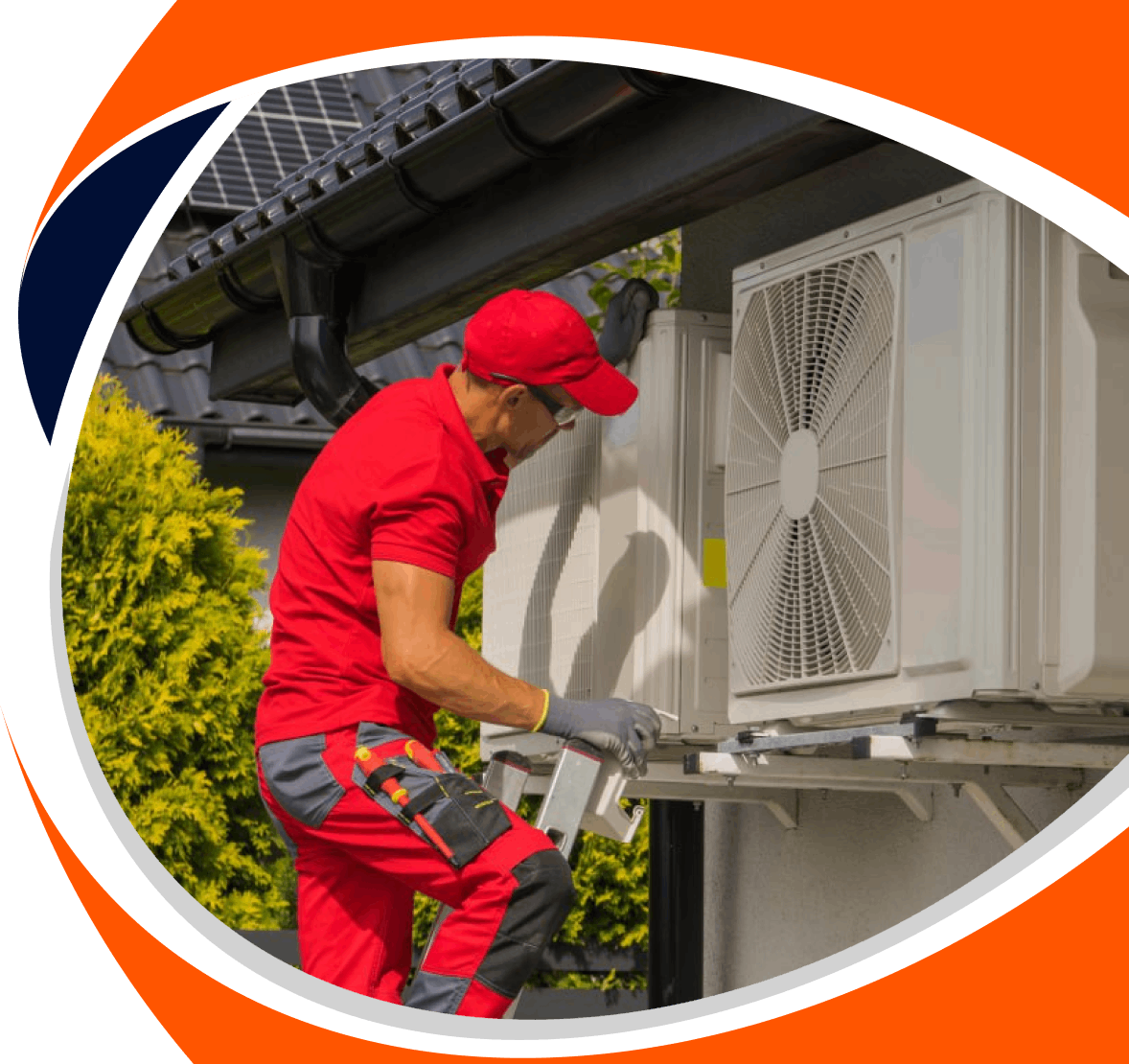
Tackling Palm Coast’s Unique Air Quality Challenges
Table of Contents
Uncovering Indoor Air Hazards in Palm Coast’s Coastal Climate
Palm Coast homes and businesses face severe indoor air quality challenges caused by extreme humidity, ocean salt spray, and wind-borne sand penetrating HVAC ductwork. Resolving these coastal environmental threats requires a combination of high-efficiency mechanical decontamination, continuous vapor barrier restoration, and static pressure optimization tailored to Florida climate conditions.
During a recent restoration project in a Palm Coast residential neighborhood, we encountered a system delivering weak airflow and persistent moldy odors despite a recent air conditioner replacement. Our camera inspection revealed severe moisture intrusion caused by degraded flex-duct vapor barriers in an unconditioned 130-degree Fahrenheit attic, which allowed humid air to mix with settled dust deposits. We resolved this failure by replacing contaminated duct runs, re-engineering the distribution layout with rigid insulated junction boxes, and sealing every seam with commercial mastic. This intervention restored proper static pressure, eliminated odor complaints, and reduced indoor relative humidity below 50 percent within 24 hours.
High atmospheric humidity combined with salty coastal air creates an environment where biological contaminants thrive inside hidden ductwork. Fine sand particles and pollen migrate through return air vents, settling along horizontal duct pathways where they serve as nutrient beds for microbial growth. Over time, these obstructive deposits restrict air velocity, forcing air handler motors to work harder and draw excess electrical power.
- Salt spray accelerates galvanic corrosion on copper cooling coils and aluminum fins.
- Fine coastal sand grains bypass standard filters and settle in horizontal duct branches.
- Ambient atmospheric moisture converts accumulated dust into biological growth media.
The Mechanics of Professional Air Duct Restoration
Professional air duct restoration removes deeply settled debris and organic growth by applying negative air pressure containment paired with targeted mechanical agitation tools. This process extracts particulate matter from supply and return channels without cross-contaminating living areas, successfully restoring factory-rated static pressure and protective airflow velocity across all indoor zones.
Guidelines established by the U.S. Environmental Protection Agency (EPA) state that air duct cleaning is necessary when visible mold growth, pest infestation, or heavy debris buildup occurs inside mechanical pathways. Our restoration methodology focuses on systematic mechanical source removal rather than temporary cosmetic surface sprays.
- Execute a thorough visual inspection using high-definition borescope cameras to identify contamination locations and structural duct leaks.
- Connect a 2,500 CFM HEPA-filtered negative-pressure vacuum system to the main supply and return plenum trunks to contain dislodged debris.
- Insert mechanical rotary brushes, whip lines, and pneumatic air skippers into individual branch vents to sweep debris toward the primary vacuum collector.
- Apply an EPA-registered sanitizer to non-porous interior surfaces and complete post-cleaning video verification to ensure total debris removal.
Adhering to this precise sequence prevents cross-contamination between distinct thermal zones inside the building. By maintaining continuous negative pressure during agitation, we capture fine particulates down to 0.3 microns.
- Operating without negative pressure containment spreads dislodged allergens throughout living spaces.
- Skipping camera inspections risks missing collapsed internal air liners and hidden moisture pools.
- Applying stiff wire brushes to flexible ductwork punctures vapor barriers and ruins thermal integrity.
Optimizing Building Envelope Thermal Barriers and Attic Insulation
Upgrading attic insulation and sealing structural envelope air leaks creates a continuous thermal shield that stops extreme summer attic heat from warming ductwork. Eliminating thermal conductive losses prevents condensation from forming on exterior duct surfaces, protecting home structural framing while dramatically reducing cooling system mechanical workload.
Data from the U.S. Department of Energy (DOE) demonstrates that proper air sealing combined with adequate insulation reduces home heating and cooling costs by up to 20 percent. In Palm Coast attics where peak ambient temperatures exceed 120 degrees Fahrenheit, uninsulated distribution ducts lose cooling capacity rapidly. Unprotected cold duct surfaces sweating in hot attic air cause ceiling drywall deterioration and structural rot over extended periods.
- If your attic contains compressed cellulose or missing fiberglass batts, install blown-in fiberglass to achieve an R-38 thermal rating.
- If you observe exterior duct sweating near attic hatches, apply expanding spray foam and mastic sealant around ceiling penetrations.
- If static pressure remains unbalanced across cooling zones, re-engineer flex-duct runs into rigid, insulated distribution boxes.
Financial Trade-Offs and Long-Term HVAC Efficiency
Evaluating HVAC duct restoration and insulation upgrades requires analyzing initial capital costs against recurring utility savings and component longevity. Addressing compromised ductwork and thermal leakage reduces operational energy expenses while shielding expensive cooling equipment like blower motors and scroll compressors against premature mechanical burnout.
Ignoring leaky duct channels or thermal insulation deficits leads to ongoing financial penalties through inflated monthly power bills and recurring repair calls. Investing in whole-system cleaning and envelope sealing protects your primary capital investment in cooling equipment.
| Maintenance Strategy | Upfront Investment Range | Monthly Energy Impact | Expected Lifespan Benefit | Primary Operational Advantage |
|---|---|---|---|---|
| Neglected System (Status Quo) | 0 US dollars | 20% to 30% bill penalty | Reduces lifespan by 3 to 5 years | Zero initial capital outlay |
| Basic Duct Cleaning | 350 to 600 US dollars | 5% to 10% energy reduction | Protects air handler blower motor | Removes allergen buildup and dust |
| Comprehensive Duct Restoration & Air Sealing | 800 to 1,800 US dollars | 15% to 25% energy reduction | Extends system life by 4 to 6 years | Restores static pressure and airflow |
| Full Attic Insulation Upgrade (R-38) | 1,500 to 3,500 US dollars | 15% to 20% energy reduction | Lasts over 20 years | Eliminates duct sweating and hot spots |
When choosing between performance strategies, evaluate equipment age and structural baselines carefully. If you need immediate indoor air quality relief on an aging cooling system, prioritize HEPA-filtered duct extraction. If you require long-term utility bill reduction and strict humidity control, prioritize continuous envelope air sealing and R-38 insulation upgrades.
Frequently Asked Questions
How frequently should Palm Coast properties schedule duct cleaning?
Palm Coast properties should schedule professional air duct cleaning every 3 to 5 years under standard operating conditions. Properties with shedding pets, occupants managing respiratory allergies, or recent indoor renovation projects require inspection every 2 years. Intense coastal moisture accelerates particulate accumulation, making periodic evaluations essential. Maintaining clean air pathways prevents premature blower motor wear and stabilizes airflow.
Will air duct cleaning eliminate indoor dust and mold odors?
Professional air duct cleaning removes accumulated dust and microbial growth from air channels, significantly reducing floating dust and associated musty odors. Complete odor elimination requires repairing active roof or plumbing leaks and replacing wet duct liner materials. Once we remove trapped organic matter and restore proper airflow, indoor air returns to a neutral scent profile. Addressing underlying relative humidity prevents mold odors from returning.
How does attic insulation directly affect air duct performance?
Attic insulation stabilizes surrounding temperatures around ductwork, preventing conductive thermal loss and stopping condensation from forming on cool metal or plastic surfaces. When attic spaces reach 120 degrees Fahrenheit, inadequate insulation causes cooled air to gain heat before reaching living rooms. Achieving an R-38 thermal resistance rating lowers the heat load on distribution lines. This thermal barrier prevents exterior duct sweating and protects ceiling drywall from water damage.
Can homeowners safely perform DIY air duct cleaning?
Homeowners cannot safely perform complete air duct cleaning because household shop vacuums lack the negative air pressure containment and HEPA filtration required for deep extraction. Attempting to scrub flexible duct lines with improper retail brushes frequently tears internal vapor barriers, causing air leaks and duct collapse. Professional technicians utilize heavy-duty negative pressure units to extract debris without spreading dust into living quarters. Incorrect DIY methods often worsen indoor air contamination.
Why is dryer vent cleaning essential during duct service?
Dryer vent cleaning is essential during HVAC maintenance because lint accumulation creates a critical fire hazard and increases backpressure on drying equipment. Blocked exhaust ducts force clothes dryers to operate at excessive temperatures and draw higher electrical current. Clearing restricted venting lines shortens drying cycles and reduces energy consumption. Combining dryer vent clearing with duct restoration protects structural safety and optimizes overall home energy performance.
Sources
- U.S. Environmental Protection Agency (EPA) – Should You Have the Air Ducts in Your Home Cleaned?: https://www.epa.gov/indoor-air-quality-iaq/should-you-have-air-ducts-your-home-cleaned
- U.S. Department of Energy (DOE) – Insulation: https://www.energy.gov/energysaver/insulation
People Also Ask
Yes, poor indoor air quality can contribute to heart palpitations. High levels of pollutants like volatile organic compounds, dust, and mold spores can trigger stress responses in the body, including increased heart rate or irregular beats. For sensitive individuals, exposure to airborne irritants may cause inflammation or affect oxygen intake, leading to palpitations. To reduce these risks, ensure proper ventilation and use high-efficiency air filters. For more insights on improving your home's air, Airwayz Duct and Insulation recommends reading our internal article Take A Deep Breath: Let’s Talk About Air Filtration At Home for practical tips on filtration and respiratory health.
Yes, poor indoor air quality can absolutely contribute to increased phlegm production. When the air in your home is filled with contaminants like dust, mold spores, pet dander, or pollen, your respiratory system produces extra mucus as a defense mechanism to trap and expel these irritants. This often leads to a persistent feeling of congestion or a cough. High humidity levels can also worsen the issue by promoting mold and dust mites. To improve your situation, consider upgrading your HVAC filtration and scheduling professional duct cleaning. For more details on how to protect your indoor environment, please refer to our internal article titled Frequently Asked Questions | Airwayz Air Duct Services — Palm Coast, FL.
The air quality in Palm Coast is generally good, but it can be affected by seasonal factors like pollen, humidity, and nearby wildfires. Indoor air quality is a separate concern, as dust, pet dander, and mold spores can accumulate in your ductwork over time. To maintain a healthy home environment, regular maintenance of your HVAC system is essential. For professional guidance, you can read our internal article titled Air Duct Cleaning in Palm Coast, FL. Airwayz Duct and Insulation recommends annual inspections to ensure your system is not circulating pollutants, helping you breathe cleaner air indoors regardless of outdoor conditions.

