
The Professional-Grade Cleaning Your System Craves
Table of Contents
Understanding Whole-Home Air System Remediation and Performance
Whole-home air system remediation combines deep mechanical duct cleaning, airflow balance restoration, and thermal boundary sealing to ensure healthy indoor air quality and low HVAC power consumption. In humid coastal environments, removing deep debris and repair of attic insulation failure stabilizes indoor humidity, prevents mechanical overload, and lowers monthly energy expenditure.
Operating in coastal Florida presents unique environmental stress on residential HVAC infrastructure. High ambient humidity combined with salt-laden coastal air accelerates dust adhesion along interior duct walls, creating ideal breeding zones for fungal spores and biological growth. When air handlers run continuously to combat extreme heat, restricted ductwork forces blower motors to draw excessive electrical current, increasing utility expenses and risking motor burnouts.
In a complex field project in Palm Coast, we evaluated a residence where owners suffered persistent mold odors and high indoor humidity despite replacing return filters monthly. Our physical inspection of the attic and crawlspace revealed disconnected flexible duct junctions drawing unconditioned attic air into the return stream, raising static pressure and accumulating moisture inside the flex ducts. We resolved this issue by replacing damaged duct sections, sealing all joint seams with painted mastic paste, rebalancing static airflow, and deploying a commercial negative air machine with HEPA filtration to eliminate internal particulate accumulation.
Diagnostic Criteria for Air Duct Contamination and Mechanical Strain
Professional air duct cleaning is necessary when visible mold growth, pest infestation, or excessive particulate debris discharges from supply vents during cooling cycles. Ignoring airborne contamination and restricted airflow degrades indoor air quality, escalates static pressure across blower components, and dramatically increases overall household electrical power consumption.
Homeowners frequently ask us how to determine whether ductwork requires mechanical cleaning rather than standard maintenance. Official indoor air quality guidelines published by the U.S. Environmental Protection Agency confirm that professional duct remediation is warranted when physical inspections reveal heavy particulate buildup or visible biological growth inside system components. When air handlers attempt to push air through clogged duct channels, increased electrical resistance strains fan motors, accelerating mechanical wear and inflating monthly power expenses.
- Substantial biological growth or visible mold on metal supply registers or air handler coils.
- Rodent or insect infestation evidenced by droppings and nesting material inside duct runs.
- Heavy accumulation of post-renovation drywall dust, sawdust, or synthetic insulation fibers.
- Particulate dust clouds visibly blowing out of supply vents when cooling cycles start.
| Service Category | Primary Contaminant or Indicator | System Impact | Performance Outcome |
|---|---|---|---|
| Air Duct Remediation | Mold spores, dust mites, renovation dust | Restricts volume airflow, recirculates allergens | Clean indoor air, restored airflow velocity |
| Attic Insulation Upgrade | Compressed ceiling insulation, thermal leaks | Causes thermal bridging, increases heat gain | Reduced cooling load, balanced room temperatures |
| Dryer Vent De-linting | Flammable lint buildup, trapped moisture | Causes thermal stress, extends drying times | Fire hazard elimination, reduced drying cycle time |
Thermal Envelope Optimization: The Synergy Between Ducts and Insulation
Maintaining clean ductwork without adequate thermal insulation allows extreme attic heat to penetrate the building envelope, completely neutralizing HVAC energy efficiency. Upgrading attic insulation to recommended thermal resistance levels prevents radiant heat transfer into cool air ducts, significantly reducing air conditioner runtime and eliminating duct condensation.
Ductwork and attic insulation function together as a unified thermal barrier. When attic insulation settles or deteriorates below recommended levels, attic temperatures reaching 130 degrees Fahrenheit transfer radiant heat directly through ceiling drywall and uninsulated duct walls. This severe thermal bridging forces air conditioning units to run prolonged cooling cycles to satisfy indoor thermostat settings.
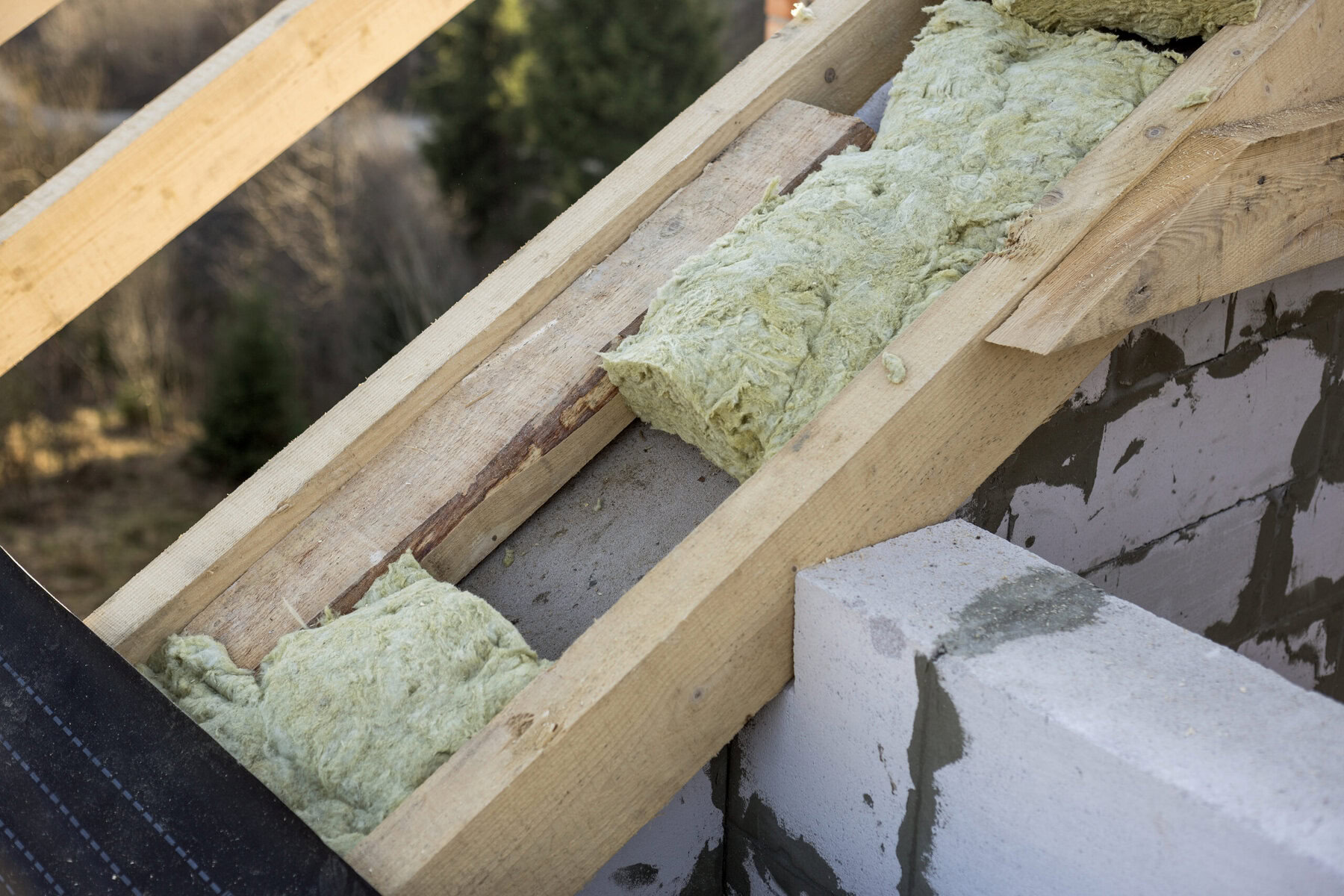
According to federal building standards from ENERGY STAR Insulation Standards, residences located in warm southern climate zones require attic insulation levels between R-38 and R-49. During a service call in historic St. Augustine, we inspected a home experiencing electric utility costs exceeding 400 US dollars per month in peak summer. We discovered that compressed R-11 fiberglass insulation permitted massive radiant heat transfer, cooling duct surfaces until heavy condensation formed; we remediated this by air-sealing attic floor penetrations and blowing loose-fill insulation to R-38, reducing their monthly power costs by over thirty percent.
Critical Safety Practices: Dryer Vent Cleaning and Fire Prevention
Professional dryer vent cleaning systematically removes trapped combustible lint debris and restores unrestricted exhaust airflow from laundry appliances to the exterior termination cap. Routine mechanical maintenance eliminates dangerous internal heat accumulation, shortens clothes drying duration, and prevents a primary driver of residential structure fires.
Dryer vent lines represent one of the most significant and frequently overlooked fire hazards in residential buildings. Over extended operation, highly flammable clothing lint bypasses primary screen filters and accumulates along interior exhaust duct walls. Official safety statistics published by the National Fire Protection Association establish that failure to clean lint debris is the primary factor contributing to residential clothes dryer fires.
- Measure initial exhaust airflow velocity at the exterior termination vent cap.
- Disconnect the dryer appliance and insert rotary brush whips through the full exhaust pipe length.
- Apply high-volume negative air pressure to extract loosened lint safely out of the home.
- Reconnect appliance ducting, inspect backdraft damper function, and confirm peak airflow velocity.
Trade-Off Analysis: DIY Maintenance Versus Professional Mechanical Remediation
Do-it-yourself cleaning provides superficial surface dust removal but fails to clear deep duct networks, blower wheels, evaporator coils, or packed dryer vents. Professional mechanical remediation uses commercial high-volume negative air vacuums, high-velocity air whips, and bio-sanitizing agents to comprehensively restore entire ventilation systems without damaging ductwork.
Attempting to remediate air duct systems with retail household equipment yields poor results and often damages delicate duct infrastructure. Standard shop vacuums lack the negative static pressure required to pull heavy particulate across long horizontal duct branches. Furthermore, rigid consumer brush attachments easily tear flexible foil ducts, creating hidden air leaks in hot, unconditioned attic spaces.
- Air Volume Extraction: Commercial equipment pulls over 2,500 cubic feet per minute of air, whereas DIY shop vacuums pull under 150 cubic feet per minute.
- Mechanical Agitation: Professional air whips safely scour duct interiors without tearing internal liner materials.
- System Coverage: Professional service cleans internal blowers, evaporator coils, and plenums, whereas DIY efforts only reach outer register grilles.
Frequently Asked Questions
How often should air ducts be professionally cleaned in coastal Florida?
Air ducts in coastal Florida should be evaluated and professionally cleaned every three to five years, or sooner if moisture or mold issues arise. In coastal regions like Palm Coast, elevated relative humidity accelerates biological growth and dust adhesion inside ductwork. Additional factors such as household pets, respiratory sensitivities, or recent interior remodeling may require shorter maintenance intervals.
Can air duct cleaning directly lower monthly electrical bills?
Air duct cleaning modestly improves airflow, but combining duct sealing with attic insulation upgrades delivers the primary reduction in energy expenses. Clearing heavy particulate accumulation reduces electrical resistance on blower motors, allowing air to pass freely across evaporator coils. However, overall energy reduction relies primarily on stopping heat transfer into conditioned living areas.
What thermal resistance rating is recommended for attic insulation in Florida?
The recommended attic insulation rating for Florida homes in warm climate zones ranges from R-38 to R-49 according to federal energy standards. Achieving this thermal resistance stops radiant heat transfer through ceilings, reducing summer cooling demands on air conditioning equipment. Upgrading from degraded R-19 insulation to current R-38 standards provides significant monthly power savings.
What are the main signs that a dryer vent requires immediate cleaning?
Clothes requiring multiple cycles to dry, excessive exterior appliance temperature, and burnt odor during operation indicate an immediate need for dryer vent cleaning. A clogged exhaust line traps hot, moist air inside the dryer, creating severe thermal stress and potential ignition risks. Cleaning the vent pipe restores rapid drying times and protects structural safety.
Is chemical biocide treatment necessary during duct cleaning?
Chemical biocide treatment is only necessary when confirmed biological growth exists and should only occur after physical mechanical cleaning is complete. EPA-registered antimicrobial products must be applied carefully according to precise manufacturer directions to protect home air safety. Mechanically removing particulate and eliminating moisture sources remain the primary methods for long-term air quality management.
Sources
- U.S. Environmental Protection Agency (EPA): Should You Have the Air Ducts in Your Home Cleaned? https://www.epa.gov/indoor-air-quality-iaq/should-you-have-air-ducts-your-home-cleaned
- ENERGY STAR / U.S. Department of Energy: Recommended Home Insulation R-Values: https://www.energystar.gov/saveathome/seal_insulate/identify_recommended_levels
- National Fire Protection Association (NFPA): Home Fire Safety Guidelines and Research: https://www.nfpa.org
People Also Ask
For a fast system flush, the most effective method is to increase your water intake significantly, as hydration helps your kidneys filter waste more efficiently. Drinking warm water with lemon in the morning can stimulate digestion and support liver function. Consuming fiber-rich foods like fruits, vegetables, and whole grains aids in moving waste through your digestive tract. Herbal teas, such as ginger or peppermint, may also soothe the stomach and promote elimination. However, for a thorough and safe flush, especially related to your home's air quality or ductwork, it is best to consult professionals. Airwayz Duct and Insulation can help ensure your HVAC system is clean and free of debris, which supports a healthier indoor environment without harsh chemicals.
The signs that your body is eliminating toxins can vary, but common indicators include mild headaches, fatigue, or temporary skin breakouts. You might also experience changes in bowel movements or slight muscle aches as your system processes and releases waste. These symptoms are often short-lived and part of a natural detoxification process. For residents in Palm Coast and Flagler County, maintaining proper indoor air quality is key, as poor ventilation can trap pollutants. Airwayz Duct and Insulation recommends ensuring clean ductwork to support your home's air circulation, which can help reduce respiratory stress during any detox period. Always stay hydrated and consult a healthcare professional for persistent symptoms.
The primary system that flushes waste out of the body is the excretory system, which includes the kidneys, ureters, bladder, and urethra. The kidneys filter blood to remove toxins and excess fluids, which are then turned into urine. This urine travels through the ureters to the bladder for storage before being expelled through the urethra. Additionally, the digestive system eliminates solid waste through the intestines and colon. For homes in Palm Coast and Flagler County, ensuring proper ventilation and clean air ducts can support overall health by reducing airborne irritants that the body must process. Airwayz Duct and Insulation can help maintain a cleaner indoor environment to complement your body's natural waste removal functions.