
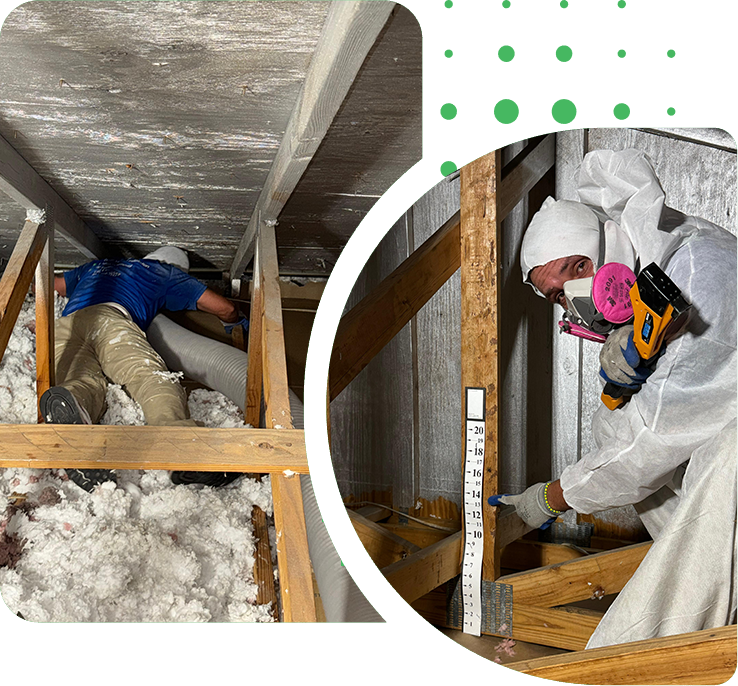
Defining Home Wellness With Airwayz
Table of Contents
Defining Home Wellness Through Advanced HVAC Maintenance
We define home wellness as an integrated approach where mechanical ventilation systems maintain pristine indoor air quality, optimal thermal comfort, and peak operational efficiency. Concealed ductwork within walls, attics, and crawlspaces directly influences living environments by circulating conditioned air, regulating moisture levels, and controlling airborne particulate loads throughout coastal residential and commercial properties.
Indoor environmental health directly depends on the mechanical systems that circulate air throughout living spaces. While property owners frequently focus on visible finishes, thermostat settings, and standard filters, concealed ductwork within walls, attics, and crawlspaces often remains uninspected until performance declines or health issues arise. We view air duct maintenance not merely as a routine cleaning service, but as a foundational pillar of home wellness, structural protection, and mechanical energy optimization.
In humid coastal areas like Palm Coast, Florida, heating, ventilation, and air conditioning (HVAC) systems operate under heavy thermal loads for the majority of the year. When ductwork accumulates debris, excess moisture, or biological growth, the entire living environment suffers. Understanding how air duct systems function, how contaminants accumulate, and how targeted restoration addresses underlying HVAC failures allows property owners to make informed decisions regarding indoor environmental health.
Understanding Contamination in Coastal HVAC Systems
We define coastal HVAC contamination as the progressive accumulation of airborne dust, bioaerosols, moisture deposits, and organic particulate matter within unseen duct networks. Heavy cooling cycles in humid coastal regions lower internal surface temperatures past dew points, causing particulates to cling to flexible duct liners, coil assemblies, and air distribution plenums.
Air duct networks operate as the respiratory system of modern indoor spaces. Every minute the air handler runs, supply and return paths draw in, condition, filter, and redistribute air throughout every room. According to the U.S. Environmental Protection Agency indoor air quality guidelines, particulate concentrations inside residences can escalate significantly when ventilation components suffer from poor maintenance or physical degradation. When heavy buildup coats internal duct surfaces, continuous operational cycles recirculate these trapped microscopic particles directly into occupied living zones.
Key contaminants frequently identified inside residential duct systems include:
- Fine mineral particulate: Soil dust, outdoor pollen, and carbonaceous combustion particles.
- Organic nutrient sources: Shed human skin scales and pet dander that nourish active microbial colonies.
- Renovations residue: Microscopic gypsum drywall dust, wood sawdust, and masonry fragments.
- Biological agents: Fungal spores and bacterial colonies proliferating in dark, damp duct insulation linings.
- Structural intrusion debris: Insect fragments, shed pest skins, and rodent droppings entering from unconditioned spaces.
Surface Dust Versus Deep Duct Accumulation
We differentiate surface register dust from deep duct accumulation based on system depth, particle density, and direct mechanical impact on airflow velocity. While surface dust on registers indicates basic cosmetic settling, deep source contamination restricts main trunk lines and evaporator coils, raising static pressure, straining blower motors, and reducing energy efficiency.
A major source of confusion for property owners is distinguishing between superficial register dust and structural duct trunk contamination. Wiping register grilles improves immediate visual appearance, but it fails to address the underlying environmental conditions within main supply trunks and flex ducts. Deep accumulation fundamentally alters system static pressure profiles by increasing frictional drag along internal liner walls. Blower motors working against elevated static pressure consume higher electric power, leading to thermal stress and premature failure of critical electrical components.
| System Assessment Parameter | Surface Dust Cleaning | Deep Source-Removal Service |
|---|---|---|
| Primary Focus | Grilles, registers, and visible vent openings | Entire duct system including trunk lines, flex ducts, plenum, and coils |
| Equipment Utilized | Microfiber cloths, household vacuums, register brushes | Truck-mounted negative pressure containment, air whips, rotary brushes |
| Impact on Airflow Static Pressure | Minimal to zero mechanical impact | Restores original design airflow velocity and static pressure balance |
| Microbial & Allergen Removal | Removes localized surface dust only | Extracts trapped spores, dander, and deep-seated organic matter |
| HVAC System Lifespan Effect | Cosmetic maintenance only | Prevents evaporator coil icing, reduces compressor load, extends component life |
| Recommended Service Frequency | Monthly during household cleaning | Every three to five years, or as needed based on localized conditions |
Complex HVAC Restoration Field Case Studies
We resolve severe indoor air quality and mechanical performance failures through comprehensive engineering diagnostics and targeted structural remediation. When severe duct contamination or physical failure causes system shutdowns, surface cleaning and chemical sprays fail, requiring source removal, mechanical repair, and precise static pressure rebalancing to achieve complete system restoration.
Case 1: Construction Dust Blindness and Coil Freezing
We diagnosed recurring cooling failure in a renovated coastal property where fine construction debris severely restricted system airflow and froze the evaporator coil. The property had recently undergone a major kitchen remodel, after which previous technicians advised replacing a functional four-year-old air handler due to alleged expansion valve failure.
Our diagnostic testing revealed static pressure measurements exceeding manufacturer design limits by over sixty percent. Video endoscope insertion into the primary return trunk revealed fine drywall gypsum dust that bypassed temporary construction filtration. This microscopic dust mixed with coil condensation, forming an impenetrable cementitious crust over internal flex duct walls and completely blinding the evaporator coil fins.
We executed a targeted three-phase remediation plan:
- Isolated the air handler and applied specialized non-corrosive chemical foam to break down the hardened gypsum matrix on evaporator fins.
- Deployed pneumatically driven air whips alongside a high-capacity HEPA negative air collector operating at twenty-five hundred cubic feet per minute to extract embedded debris.
- Re-balanced manual airflow dampers and verified system static pressure returned to normal baseline specifications.
Post-restoration testing confirmed a forty-two percent increase in register airflow velocity, complete elimination of coil icing, and a significant drop in monthly blower motor kilowatt-hour usage.
Case 2: Structural Duct Sag and Persistent Microbial Odors
We remediated persistent musty odors and severe room-to-room temperature imbalances in a thirty-year-old home caused by collapsed attic flex ducting and trapped condensation. The occupants had unsuccessfully attempted to resolve damp smells using over-the-counter air purifiers and chemical duct deodorizers for over six months.
Our technical inspection revealed that several flexible duct runs in the unconditioned attic had lost structural tension, sagging directly onto the attic floor. These low points created internal condensation traps where standing water accumulated, fostering dense fungal colonies within the porous fiberglass insulation liner. Ambient attic heat worsened the situation, turning sagging runs into active incubators for microbial bioaerosols.
We implemented a permanent structural and mechanical correction protocol:
- Extracted standing moisture and biological debris under strict HEPA negative air pressure containment to prevent cross-contamination into living quarters.
- Removed degraded flex duct sections that lost structural integrity and installed modern anti-microbial insulated ducting.
- Re-hung and tensioned all flexible duct runs using wide hanging straps to establish linear airflow and prevent low-point condensate pooling.
- Sealed supply plenum connections with elastomeric mastic sealant and foil-faced fiberglass tape to eliminate attic air intrusion.
This mechanical intervention permanently eliminated persistent odors while restoring balanced thermal distribution and reducing whole-house humidity levels.
Decision Framework for Duct Restoration Timing
We schedule professional air duct maintenance based on verifiable environmental triggers and diagnostic indicators rather than arbitrary calendar intervals. Homeowners should authorize source removal when observing recent interior construction, visible biological growth along registers, persistent musty airflow odors, unexplained respiratory irritation, or documented attic pest activity.
Duct networks do not require yearly cleaning in every residential setting. Maintenance frequency depends heavily on local environmental exposure, structural integrity, and household operational habits.
We recommend professional system inspection and source removal under the following specific circumstances:
- Recent Major Home Renovations: Gypsum dust, tile grit, and floor sanding residue easily bypass standard filters and coat inner supply channels.
- Unexplained Household Respiratory Discomfort: Sudden spikes in allergy symptoms or sinus irritation while the cooling unit runs indicate airborne particulate circulation.
- Persistent Biological Airflow Odors: Damp, moldy smells emanating from vents signify moisture retention and active microbial proliferation inside plenums or duct insulation.
- Visible Emission of Debris: Visual ejection of dust plumes from supply diffusers upon system startup confirms heavy internal particle loading.
- Documented Pest Intrusions: Evidence of rodents, insects, or bats in unconditioned attics requires immediate extraction, duct repair, and system sanitization.
- Excessive Interior Dust Accumulation: Rapid settling of fine dust onto polished surfaces within hours of thorough cleaning signals return duct leaks or heavy filter bypass.
Environmental and Mechanical Hazards of DIY Duct Cleaning
We strongly advise against do-it-yourself duct cleaning because retail equipment lacks necessary negative pressure containment and specialized volumetric airflow capacity. Improper attempts using consumer vacuums or drill-powered rotary brushes frequently tear delicate flexible duct liners, strip internal fiberglass insulation, and force concentrated allergen loads directly into occupied living zones.
In strict adherence to the National Air Duct Cleaners Association ACR Standards, effective source removal requires continuous negative pressure containment combined with HEPA filtration to prevent indoor cross-contamination. Consumer equipment cannot generate the static lift needed to draw heavy particulate through extensive duct runs. Uncontrolled mechanical agitation without continuous vacuum suction simply redistributes trapped dust into indoor air.
Improper do-it-yourself cleaning attempts introduce critical structural risks:
- Flexible Duct Liner Ruptures: Rigid vacuum hoses or high-speed rotary brushes can easily puncture thin inner plastic liners, creating massive air leaks into unconditioned attics.
- Internal Insulation Degradation: Aggressive scrubbing strips away acoustic fiberglass linings inside metal trunks, reducing energy efficiency and releasing airborne insulation fibers.
- Chemical Vapor Contamination: Spraying off-the-shelf disinfectants or bleach into ductwork off-gasses harmful volatile organic compounds into living spaces and corrodes metallic cooling components.
Financial Trade-Offs and Long-Term Value Dynamics
We analyze air duct restoration costs by evaluating immediate service expenditures against extended HVAC component service life and reduced monthly electrical usage. Investing in comprehensive source removal restores design static pressure, lowers blower amp draw, and prevents costly compressor burnouts, delivering substantial financial savings over time.
Property owners evaluating duct maintenance must weigh proactive restoration costs against potential mechanical repair bills. Professional source removal typically ranges from 400 to 800 US Dollars depending on square footage and layout complexity. Conversely, replacing a burnt-out compressor or failed blower motor costs between 1,500 and 4,000 US Dollars, while full system replacement can exceed 8,000 to 15,000 US Dollars.
| Maintenance Strategy | Immediate Financial Investment | Operational Impact on HVAC | Long-Term Financial Outcome |
|---|---|---|---|
| Routine Filter Replacement | Low (20 to 50 US Dollars annually) | Standard protection against coarse dust; no effect on deep trunk debris | Adequate for clean systems; high risk of efficiency loss if ducts are heavily contaminated |
| DIY Duct Vacuuming | Low (50 to 100 US Dollars equipment rental) | Minimal dust extraction; high risk of duct puncture or allergen dispersal | Frequently creates secondary repair costs for torn flex ducting or blinded coils |
| Professional Source Removal | Moderate (400 to 800 US Dollars) | Restores design static pressure, lowers blower electrical draw, optimizes cooling | Prevents major component failures, extends system life by several years, lowers energy bills |
| System Replacement Due to Neglect | High (8,000 to 15,000 US Dollars) | Installs clean equipment but connects to dirty ductwork if ignored | Maximum capital outlay; completely avoidable through timely mechanical maintenance |
Coastal Climate Impact on Ductwork Longevity
We tailor air duct restoration strategies in coastal regions like Palm Coast to combat high relative humidity, ambient salt air corrosion, and intense thermal attic conditions. Continuous cooling demands drop duct surface temperatures below ambient dew points, creating micro-condensation pockets inside supply trunks that foster rapid microbial growth.
Operating cooling equipment in coastal environments presents unique mechanical stresses compared to inland areas. High ambient relative humidity forces air conditioners to run extended cooling cycles to extract atmospheric moisture.
Coastal factors requiring targeted maintenance include:
- Elevated Attic Dew Points: Extreme attic heat combined with humid coastal air causes micro-condensation along supply lines whenever insulation R-values drop or outer vapor barriers tear.
- Salt Air Oxidation: Airborne salt particles drawn through return leaks accelerate metallic corrosion on dampers, fasteners, and cooling coil fins.
- Wind-Driven Moisture Intrusion: Severe tropical weather pushes water through roof vents, saturating fiberglass duct insulation and creating hidden moisture pockets inside wall cavities.
Technical HVAC Source-Removal Workflow
We execute complete system restoration using a standardized, multi-stage engineering protocol engineered to isolate particulate matter and guarantee indoor environmental cleanliness. Our technical workflow combines HEPA negative pressure containment with pneumatic agitation tools, full component cleaning, and post-service static pressure verification to restore baseline HVAC performance.
- Diagnostic Assessment and Endoscopic Inspection: Technicians evaluate air handlers, coils, drip pans, and duct interiors using flexible optical cameras to measure baseline cleanliness and locate structural defects.
- Containment Setup and Negative Pressure Connection: All supply and return registers are sealed, and a high-capacity HEPA negative air collector is connected to the primary trunk line to maintain continuous suction away from living areas.
- Pneumatic Agitation and Source Removal: Technicians pass pneumatically driven air whips and soft rotary brushes through individual branch runs, dislodging adhered debris directly into the negative pressure stream.
- Air Handler Component Remediation: Blower assemblies, fan wheels, condensate pans, and evaporator coils are mechanically cleaned and sanitized to prevent cleaned ductwork from re-contamination.
- Post-Service Verification and Pressure Sealing: System access panels are sealed with code-compliant airtight closures, and static pressure and airflow velocities are re-tested to verify system restoration.
Frequently Asked Questions
We provide authoritative, expert answers to common home and business owner questions regarding air duct restoration, mechanical performance, and indoor environmental health. Understanding these key technical principles helps property owners make informed decisions about HVAC system maintenance and indoor air safety.
How do we determine if residential air ducts require professional source removal?
We determine the need for professional duct cleaning through diagnostic endoscope inspections and static pressure measurements across the HVAC system. Clear indicators include visible dust buildup on supply registers, persistent musty odors during cooling cycles, recent home renovations, or documented microbial activity inside duct trunks.
What distinguishes professional source removal from standard vacuuming?
Professional source removal uses high-volume HEPA negative pressure equipment combined with pneumatic agitation tools to extract embedded debris from the entire duct system. Standard vacuuming only cleans accessible register surfaces and lacks the negative air containment required to prevent dislodged dust from re-entering living spaces.
Can dirty air ducts increase monthly energy bills and damage HVAC components?
Dirty air ducts significantly increase energy bills and risk severe component damage by elevating system static pressure and restricting airflow. High static pressure forces blower motors to draw excess electrical power, strains electrical components, and causes evaporator coils to freeze, leading to premature compressor failure.
When is an antimicrobial application appropriate during duct remediation?
We apply EPA-registered antimicrobial treatments exclusively on non-porous system surfaces when active biological growth or microbial odors are confirmed during inspection. If porous fiberglass insulation or flexible duct linings become contaminated with deep fungal growth, complete physical replacement of the affected section is necessary.
How often should coastal homeowners inspect and service their HVAC ductwork?
We recommend professional duct inspections every two to three years for residential properties in humid coastal climates like Palm Coast. Comprehensive source-removal cleaning is generally performed every three to five years, though homes with pets, severe allergies, or recent renovations require shorter maintenance cycles.
Sources
- U.S. Environmental Protection Agency. Should You Have the Air Ducts in Your Home Cleaned? https://www.epa.gov/indoor-air-quality-iaq/should-you-have-air-ducts-your-home-cleaned
- National Air Duct Cleaners Association (NADCA). ACR, The NADCA Standard for Assessment, Cleaning, and Restoration of HVAC Systems. https://nadca.com/resources/acr-standard

