

Years of
Experience
 Airwayz
 Airwayz
Why Choose Airwayz in Daytona Beach?
Personalized Installation Management
Step-by-step support from consultation to final testing.
Clear Timelines & Reliable Service
On-time installations with transparent communication.
Licensed HVAC Technicians
Certified experts ensuring safe, accurate installation.
Local Climate Knowledge
We understand Daytona’s coastal humidity and temperature demands.
Testimonials
Our Clients Feedback
Olivia .C
Ethan .B
Sophia .N
Our Services
Complete Indoor Air & Comfort Solutions
Everything your home or business needs for cleaner air, better efficiency, and year-round comfort.

Air Filtration Solutions
Breathe easier with deep-cleaned ducts that reduce allergens and improve airflow throughout your entire home.
READ MOREAir Duct Repair
Fix damaged ductwork to restore proper air circulation and increase your HVAC system’s efficiency and comfort.
READ MORE

Air Duct Cleaning
Remove accumulated dust, allergens, and debris to improve indoor air quality and boost your HVAC system’s efficiency.
READ MOREAir Duct Replacement
Upgrade old or damaged ducts for better air quality, lower energy bills, and consistent indoor temperatures.
READ MORE
AC Installation
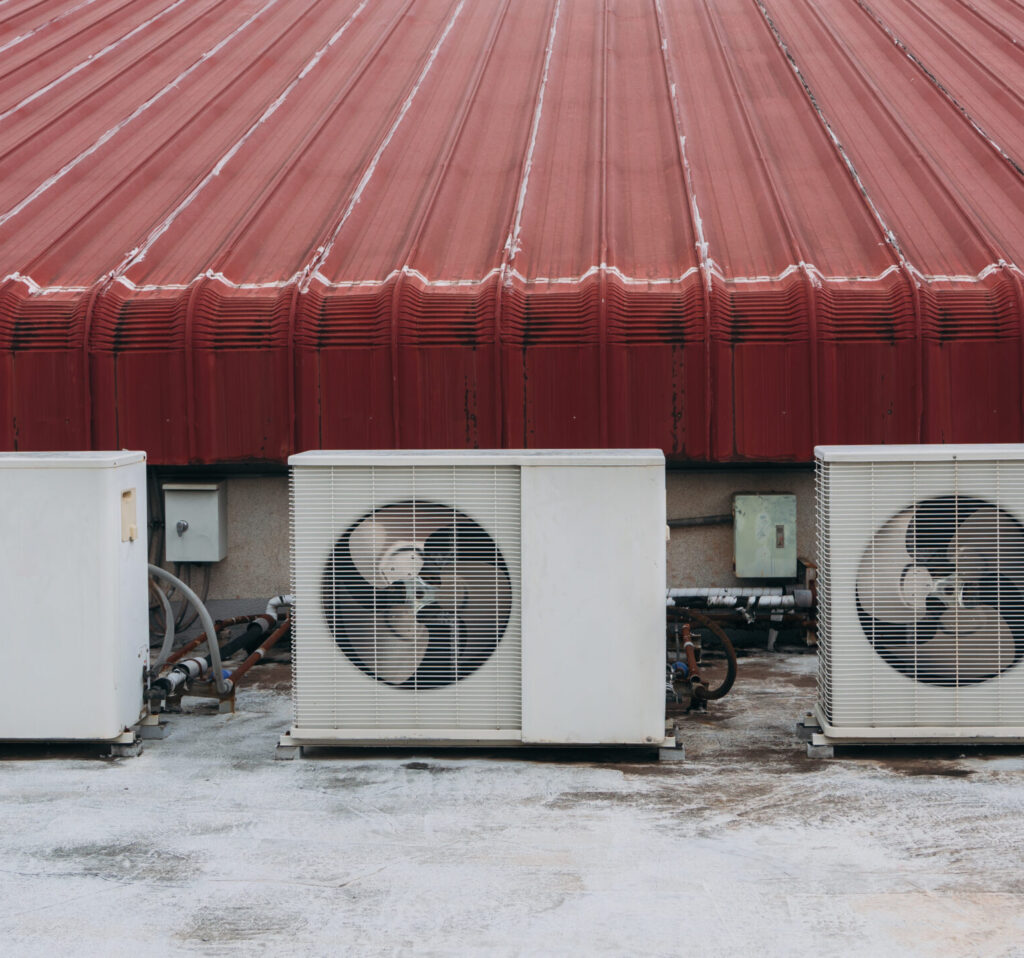
Stay cool with modern AC systems designed for high efficiency, energy savings, and long-term home comfort.
READ MORE
Dryer Vent Cleaning
Remove lint buildup and improve airflow to reduce fire risk and extend your dryer’s performance and life.
READ MORE
Dryer Vent Replacement
Replace unsafe or outdated vents for a safer, more efficient dryer and improved indoor air quality.
READ MORE
Dryer Vent Installation
Get professional dryer vent installation that ensures proper airflow, safety, and long-term system efficiency.
READ MORE
Blow-In Insulation
Enhance home comfort and energy savings with high-performance insulation installed quickly and mess-free in your attic.
READ MORE
Insulation Removal
Safely remove old or damaged insulation to eliminate allergens, pests, and moisture before upgrading your space.
READ MORE
Air Sealing
Seal leaks and gaps to stop energy loss, lower bills, and make your home more comfortable year-round.
READ MORE
Airflow Check
Ensure balanced, efficient airflow throughout your home to improve comfort, air quality, and HVAC performance.
READ MORE
UV Light Installation
Protect your home’s air with UV lights that reduce bacteria, mold, and allergens in your duct system.
READ MORE
Related Articles
People Also Ask
The cost to install an AC unit varies widely based on system type, home size, and regional labor rates. For a standard central air system in an existing home, homeowners can expect an average range of $3,800 to $7,500, with a typical cost around $5,600. This includes equipment, materials, and professional labor. Factors that increase cost include the need for new ductwork, which can add $2,000 to $5,000, the system's SEER rating (higher efficiency units cost more), and the complexity of the installation. It is crucial to obtain multiple detailed estimates from licensed, insured HVAC contractors. These should include a full load calculation to ensure proper sizing, as an incorrectly sized unit will lead to inefficiency and higher long-term costs.
The $5000 rule for AC is a guideline used to decide whether to repair or replace an air conditioning system. It suggests that if the cost of a repair multiplied by the age of the unit in years exceeds $5000, replacement is often the more economical long-term choice. For example, a $1000 repair on a 10-year-old unit equals $10,000, which surpasses the threshold, indicating replacement is likely better. This rule helps homeowners weigh the investment in an aging system against the benefits of a new, more efficient unit. It factors in rising repair frequency, potential energy savings from newer models, and the risk of subsequent costly breakdowns. Always consult with a professional HVAC technician for a precise assessment of your specific system and circumstances.
The average price to install a central air conditioning system typically ranges from $3,800 to $7,500, with a national average around $5,600. However, this cost can vary significantly based on several factors. The size and efficiency of the unit (measured in tons and SEER rating), the complexity of the ductwork installation or modification, and your home's layout are primary cost drivers. Local labor rates and permitting requirements also influence the final price. For a simple replacement of an existing system with compatible ductwork, costs might be lower. For a new installation requiring extensive duct design and construction, the price can exceed $10,000. It is crucial to obtain multiple detailed estimates from licensed HVAC contractors.
The cost of a new AC unit installed in Florida typically ranges from $5,000 to $12,000 or more, depending on several key factors. The primary determinants are the system's size (measured in tons), its efficiency rating (SEER), and the complexity of the installation. In Florida's hot, humid climate, a properly sized and efficient system is a critical investment for comfort and energy savings. Additional costs can arise from necessary ductwork modifications, electrical upgrades, or advanced features like smart thermostats. For a detailed breakdown of local pricing and considerations specific to the area, we recommend reviewing our internal article, AC Installation in Ocala, FL. Always obtain multiple, itemized estimates from licensed, insured HVAC contractors to ensure a fair price and proper installation.
For the best AC installation in Daytona Beach, selecting a licensed, insured, and experienced contractor is paramount. Look for a company with strong local references and a proven track record of proper system sizing, which is critical for Florida's humid climate to ensure efficiency and longevity. A top-tier installer will conduct a detailed load calculation, advise on high-SEER systems for energy savings, and ensure all ductwork is sealed and insulated correctly. They should handle permits and provide clear warranties on both equipment and labor. For a detailed guide on what to expect and how to prepare, we recommend reading our internal article, AC Installation in Daytona Beach, FL. Always get multiple estimates and verify contractor credentials with the Florida Department of Business & Professional Regulation.
For professional car AC repair in Daytona Beach, it is crucial to choose a licensed and experienced service provider. A comprehensive service should begin with a thorough diagnostic check to identify issues such as refrigerant leaks, compressor failure, or electrical problems. Technicians must follow EPA guidelines for handling refrigerants. The repair process typically involves evacuating the old refrigerant, repairing or replacing faulty components like condensers or evaporators, and then recharging the system with the correct type and amount of refrigerant. Regular maintenance, including checking the system's pressure and cleaning the condenser, can prevent major failures. Always ensure the shop offers a warranty on parts and labor for your protection.