
Breathe The Unfiltered Joy Of A Clean Home
Table of Contents
Complete HVAC Duct and Thermal Envelope Optimization
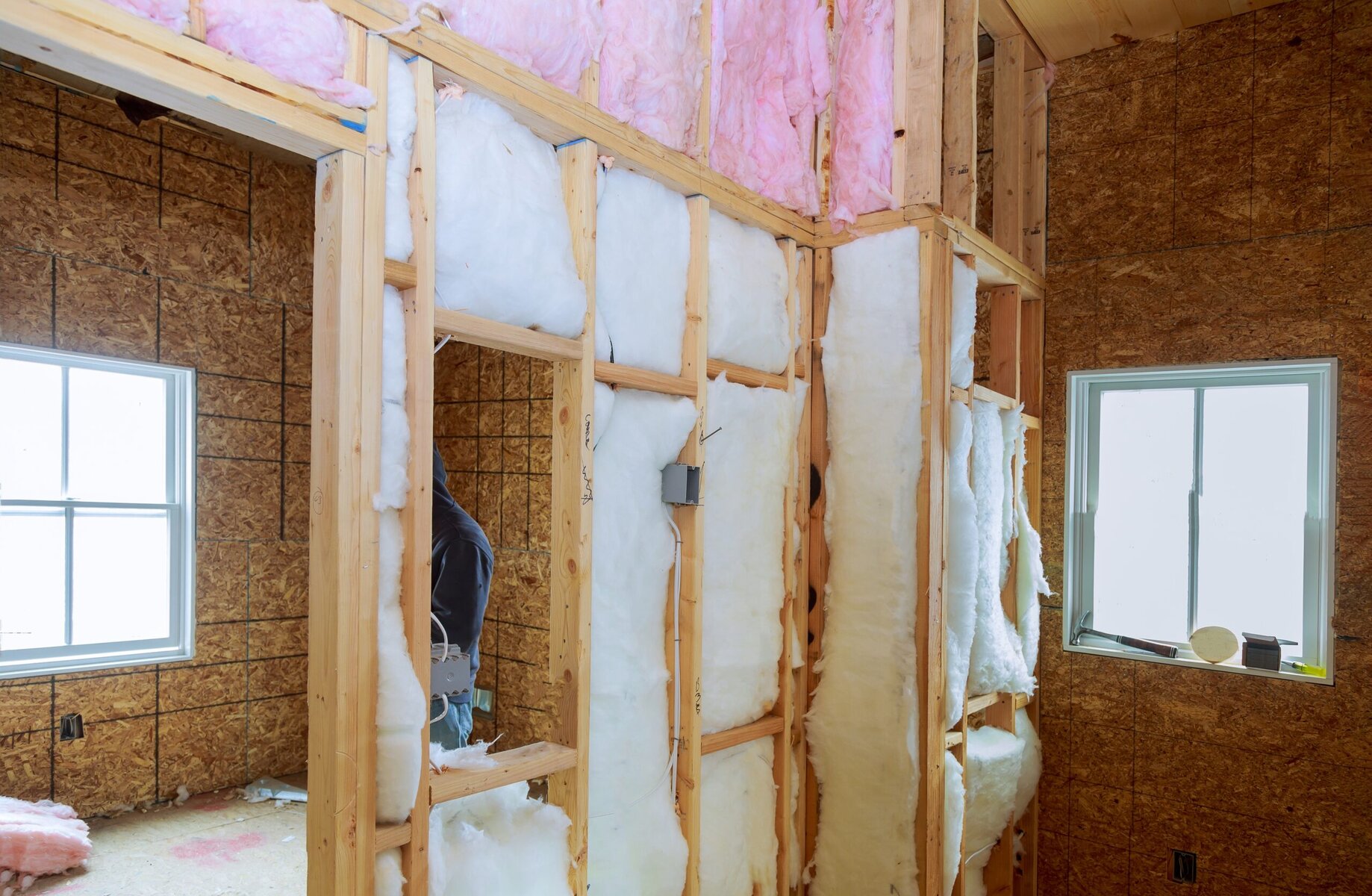
Pairing mechanical duct cleaning with attic insulation restoration establishes complete thermal envelope optimization, drastically lowering utility bills while extending equipment life. When airborne particulates restrict ductwork, static pressure rises and forces central units to work harder. Meanwhile, degraded insulation allows heat transfer across ceiling drywall, creating an operational bottleneck that compromises indoor environmental quality throughout the entire property.
When we inspect residential and commercial properties, we frequently discover that HVAC performance issues stem from a combination of neglected air distribution channels and compromised insulation barriers. Air ducts function as the circulatory system of a building, drawing indoor air through return vents, conditioning it at the central heat pump or furnace, and distributing it back through supply grilles. If dust, pet dander, or construction debris coats the interior walls of ductwork, the system must work substantially harder to deliver designed cubic feet per minute of airflow. Simultaneously, thin or moisture-damaged attic insulation allows severe heat gain during summer months, forcing air conditioners to run extended cooling cycles.
Addressing only one side of this equation creates an operational bottleneck that compromises overall comfort and energy efficiency. Cleaning ductwork without correcting inadequate attic insulation still leaves conditioned air vulnerable to thermal conduction through ceiling drywall. Conversely, installing fresh blown-in insulation without clearing contaminated ducts continues to push localized pollutants and bio-aerosols into occupied living spaces. Our comprehensive methodology evaluates both mechanical conveyance and thermal enclosure boundaries to achieve long-term environmental balance.
The Science of Indoor Air Contamination and Mechanical Efficiency
Forced-air HVAC systems continuously cycle ambient indoor air across mechanical components, trapping particulate matter, dust mites, and biological spores inside supply trunks. Accumulated dust layers restrict duct dimensions, increasing static pressure resistance against the blower motor. This mechanical restriction hinders heat exchange at the evaporator coil, forcing systems to run extended cooling cycles and consume excessive electrical energy.
Over months and years of continuous operation, microscopic air pollutants settle along flex duct ridges and rigid metal duct seams. This particulate buildup creates a sticky substrate that traps additional ambient debris, fungal fragments, and volatile organic compounds. As static pressure rises within restricted air trunks, air volume delivery at supply registers drops significantly across distant rooms. Environmental guidelines published by the U.S. Environmental Protection Agency indoor air standards highlight how indoor pollutant levels concentrate when HVAC air distribution and mechanical ventilation are restricted.
Beyond particulate accumulation, moisture imbalance within air handlers promotes microbial activity on internal cooling coils and condensate drain pans. When warm humid air passes over a dirty evaporator coil, particulate buildup acts as an insulating blanket, preventing efficient refrigerant heat absorption. Blower fan blades caked with dirt lose their aerodynamic pitch, causing air displacement capacity to fall while electrical draw increases. Routine cleaning restores laminar airflow and re-establishes manufacturer thermal transfer rates.
Field Case Study: Resolving Severe Thermal Loss and Microbial Contamination
When our field team inspected a 2,800-square-foot residence suffering from high humidity and spiking electric costs, we identified a disconnected return duct pulling superheated attic air alongside compressed insulation. By re-securing duct connections, sanitizing coils, and upgrading attic insulation to R-38 cellulose, we restored thermal efficiency, dropped indoor relative humidity by 24 percent, and reduced electricity costs by 28 percent.
The property owners reported that their 4-ton heat pump system ran continuously throughout the afternoon without maintaining setpoint temperatures below 78 degrees Fahrenheit. Upon entering the unconditioned attic, our technicians conducted a static pressure test and thermographic inspection to identify severe thermal anomalies. We discovered that a primary flexible return duct had detached from the collar, drawing 135-degree Fahrenheit attic air directly into the air handler unit. Furthermore, original fiberglass batt insulation had suffered extensive compression and moisture settling, reducing effective thermal resistance to less than R-11.
Our remediation protocol began with structurally re-attaching and mechanically clamping the supply and return duct trunks, applying fiber-reinforced mastic sealant across all mechanical joints. We then performed a full negative-pressure air duct evacuation while agitating branch lines with pneumatic whip assemblies. After scrubbing internal air handler components and treating non-porous surfaces with an EPA-registered antimicrobial agent, we cleared out ruined insulation batts. Finally, we installed a continuous vapor barrier, air-sealed top plate penetrations, and blew in premium cellulose insulation to achieve R-38 thermal resistance.
Post-remediation testing demonstrated an immediate 35 percent reduction in system static pressure and an 18-degree temperature differential across the evaporator coil. Relative indoor humidity dropped from 72 percent to 48 percent within 24 hours of system re-commissioning. The property owner reported a savings of over 120 US dollars on their subsequent monthly electrical utility expenditure. This project highlights how systematic mechanical and thermal remediation solves complex indoor comfort failures.
Whole-House System Restoration vs. Superficial Cleaning Specials
Low-cost promotional duct cleanings rely on superficial vent vacuuming that fails to reach main trunk lines, evaporator coils, or central blower assemblies, often aggravating indoor air quality. In contrast, comprehensive whole-house system restoration uses heavy-duty negative pressure plants and mechanical agitation tools to strip caked debris from the entire air distribution circuit, eliminating biological growth and restoring designed airflow.
Promotional discount services advertising low flat-rate prices typically utilize light-duty shop vacuums inserted only a few inches into individual room registers. This superficial technique leaves main trunk lines, plenum boxes, and internal mechanical assemblies untouched while stirring up fine particulate matter into room air. A professional whole-house remediation requires isolating the duct system, establishing high-volume negative airflow using specialized HEPA-filtered vacuum plants, and systematically cleaning from the furthest register back to the central unit.
Our comprehensive cleaning process adheres to strict technical standards to ensure complete contaminant removal without damaging sensitive flex duct liners. We access every critical component within the air distribution circuit during execution:
- Supply and Return Air Channels: Dislodging caked debris from all branch ducts using reverse-sweeping air whips under negative pressure suction.
- Register Grilles and Diffusers: Removing, washing, and sanitizing room air grilles to eliminate surface dust and bio-growth spores.
- Central Air Handler and Blower Assembly: Extracting grime from blower fan wheels, motor housings, and internal cabinet insulation walls.
- Cooling Evaporator Coil: Degreasing and pressure-cleaning cooling fin arrays to re-establish design heat exchange capabilities.
- Condensate Drain Pan and Line: Flushing primary drain lines and treating collection pans to prevent standing water fungal accumulation.
Mechanical and Thermal Trade-Off Decision Matrix
Prioritizing HVAC duct cleaning, attic insulation upgrades, or dryer vent evacuation depends on specific system failure symptoms, building age, and utility energy metrics. While duct cleaning eliminates internal particulates and static pressure, insulation stops conductive heat transfer across ceiling drywall. Evaluating operational trade-offs ensures property owners invest in interventions that yield the highest structural efficiency gains.
Homeowners and facility managers often face budget constraints when deciding which building envelope or HVAC service to execute first. Selecting the correct intervention requires evaluating current system performance indicators, energy bill trends, and indoor air quality diagnostic findings. The following decision matrix outlines key technical distinctions, common failure modes, and expected performance outcomes across our core services.
| Service Category | Primary Engineering Objective | Key Performance Indicators | Observed Failure Modes | Recommended Interval |
|---|---|---|---|---|
| Comprehensive Air Duct Cleaning | Eliminates internal duct particulate load & restores designed airflow CFM | Reduced static pressure, equalized room temperatures, lower dust volume | High static pressure, dirty registers, mold odors, restricted coil airflow | 3 to 5 Years |
| Attic Insulation & Air Sealing | Prevents conductive thermal transfer & blocks convective ceiling air leaks | Stable room temperatures, lower HVAC run times, reduced kilowatt-hour usage | Matted insulation, hot ceiling drywall, rodent intrusion, high energy bills | 10 to 15 Years |
| Dryer Exhaust Line Evacuation | Clears combustible lint debris & lowers exhaust backpressure | Reduced cycle drying time, lower appliance exterior temperature | Clothes taking multiple cycles, hot laundry room, lint buildup on hood | 12 Months |
Dryer Vent Clearance: Essential Fire Safety and Load Prevention
Dryer vent lint accumulation creates severe thermal backpressure, restricting exhaust air evacuation and elevating structural fire hazards within residential and commercial properties. Clogged exhaust lines force clothes dryers to operate at excessive internal temperatures while doubling required cycle times. Routine mechanical clearing removes flammable lint deposits, lowers electrical consumption, and protects heating elements from premature burnout.
Unlike smooth-walled rigid HVAC supply ducts, dryer exhaust vents frequently utilize transitional semi-rigid or flexible ducting that readily traps heavy clothing lint. Over time, moist lint combines with thermal exhaust to form thick clogs along elbows, wall penetrations, and exterior termination louvers. Technical specifications in the U.S. Department of Energy duct efficiency recommendations emphasize that unmaintained exhaust venting significantly increases household energy draw while placing dangerous strain on heating elements. When exhaust air cannot exit freely, internal appliance temperatures rise past safe thresholds, triggering high-limit thermal fuses.
Warning signs of an obstructed dryer vent line include clothing remaining damp after a standard 45-minute drying cycle and excessive heat radiating from the dryer cabinet during operation. Inspecting exterior vent hoods during operation should reveal strong airflow capable of opening termination damper flaps completely. Our service technicians utilize rotary brush equipment and high-CFM air extraction tools to clear entire vent runs, ensuring total clearance from dryer back-plate to exterior termination.
Regional Climate Vulnerabilities: Coastal Humidity and Thermal Loads
High atmospheric humidity and elevated ambient temperatures in coastal regions accelerate unsealed duct sweating, ceiling insulation decay, and rapid indoor mold propagation. When cold conditioned air moves through uninsulated attic ductwork exposed to humid ambient air, condensation forms along outer jackets, soaking surrounding insulation. Applying closed-cell thermal barriers and high-velocity duct sealing stops moisture intrusion and preserves indoor air quality.
In coastal environments, summer attic temperatures routinely exceed 130 degrees Fahrenheit with relative humidity levels reaching 90 percent or higher. When 55-degree conditioned air travels through uninsulated or leaky flex ducting situated in these extreme attic spaces, the duct surface temperature drops below ambient dew point. This temperature differential results in widespread duct sweating, which saturates surrounding attic insulation batts and degrades ceiling drywall integrity. Water-damaged insulation loses its resistive value permanently, turning fiberglass into a compacted conductor of heat.
To combat coastal climatic degradation, we utilize high-velocity air sealing techniques paired with closed-cell thermal barriers designed to resist vapor transmission. We inspect every flexible duct connection for proper outer vapor jacket integrity, applying mastic sealants where tape adhesives have broken down due to heat exposure. Maintaining airtight duct connections and proper insulation levels in coastal homes prevents moisture accumulation, stops biological amplification, and extends mechanical system longevity.
Frequently Asked Questions
How frequently should residential air duct systems undergo professional cleaning?
Professional air duct cleaning is recommended every three to five years under standard operating conditions. Homes with shedding pets, occupants suffering from respiratory allergies, or recent interior renovations should schedule cleaning every two to three years. Inspecting air return plenums annually helps determine whether particulate accumulation warrants accelerated cleaning intervals.
Does comprehensive air duct cleaning lead to measurable energy bill reductions?
Yes, removing caked dust from ductwork and cooling coils significantly reduces monthly electrical consumption. Restoring unrestricted airflow lowers static pressure against the blower fan while enabling maximum heat transfer at the evaporator coil. Operating a clean, well-balanced system reduces cooling cycle durations and lowers overall utility expenses.
What are the main signs indicating attic insulation requires replacement alongside duct cleaning?
Uneven room temperatures, hot ceiling drywall during summer, and sudden spikes in utility bills indicate degraded insulation that requires replacement. Visible signs include matted fiberglass, insulation sitting below ceiling joist levels, or evidence of past pest nesting. Replacing compromised insulation during duct restoration creates a complete thermal barrier that prevents rapid ceiling heat gain.
Can homeowners effectively perform air duct cleaning and insulation upgrades without specialized equipment?
No, effective air duct cleaning and attic air-sealing require commercial high-pressure negative air machines and agitation equipment that consumer tools cannot replicate. Standard vacuum cleaners lack sufficient suction velocity to clear deep trunk lines and often displace dust into living areas. Professional execution ensures complete contaminant removal and proper thermal envelope sealing without damaging delicate duct liners.
Why does dryer vent lint build-up pose a major household hazard?
Dryer vent lint is highly flammable and creates severe thermal backpressure when accumulated inside exhaust lines, leading to potential structural fires. Restricted exhaust venting traps intense heat within the appliance, which can ignite trapped lint deposits and cause structural house fires. Clearing dryer vents annually ensures safe heat dissipation, reduces appliance burnout risk, and optimizes drying efficiency.
Sources
- U.S. Environmental Protection Agency (EPA) Indoor Air Quality Guidelines: https://www.epa.gov/indoor-air-quality-iaq
- U.S. Department of Energy (DOE) Energy Saver Ductwork Optimization: https://www.energy.gov/energysaver/minimizing-energy-losses-ductwork
People Also Ask
The 5 5 5 rule is a simple decluttering strategy to help you make quick decisions about items in your home. When you pick up an object, ask yourself if you can donate, sell, or discard it within 5 minutes. If not, decide if it can be given away in the next 5 days. If that is not feasible, consider if you can find a new home for it within 5 months. This method prevents procrastination and reduces clutter. For a deeper dive into applying this principle to your home, including how it can improve airflow and reduce dust in your ductwork, we recommend reading our internal article titled The 5 5 5 Rule For Decluttering Your Space. Airwayz Duct and Insulation can help ensure your space stays clean and efficient.
To naturally purify the air in your home, focus on source control, ventilation, and strategic plant placement. Removing pollutants at the source, such as by using a vacuum with a HEPA filter and avoiding synthetic fragrances, is the first step. Increasing fresh air flow by opening windows when weather permits also helps dilute indoor contaminants. For a deeper dive into which houseplants are truly effective, we recommend reading our internal article titled The Plant That Removes Airborne Mold Naturally: What Works, What Doesn’t, and How to Build a Complete Defense. This article clarifies common myths and provides a realistic strategy for using plants as part of a broader defense. For professional assistance with your home's air quality, Airwayz Duct and Insulation offers expert duct cleaning and insulation services in Palm Coast and Flagler County to ensure your HVAC system is not recirculating pollutants.
An inspirational quote about clean homes is, "A clean home is a happy home, where peace of mind and fresh air restore your spirit." This reminds us that maintaining a clean living space, especially the air you breathe, is vital for well-being. For professional guidance on achieving this, read our article Restoring Peace Of Mind And Clean Air To Your Home, which offers expert advice on improving indoor air quality. Airwayz Duct and Insulation recommends regular HVAC maintenance to ensure your home remains a sanctuary of cleanliness and comfort.
The 80/20 rule, also known as the Pareto Principle, applied to house cleaning suggests that 80% of the dirt and clutter in a home comes from 20% of the surfaces or activities. In practical terms, this means focusing your efforts on the high-impact areas—like the kitchen counter, bathroom sink, and main living floors—rather than trying to deep-clean every corner every time. By targeting the 20% of spaces where most mess accumulates, you can maintain a noticeably cleaner home with less overall effort. For professional assistance with deep cleaning and duct maintenance, Airwayz Duct and Insulation recommends our article 'Tired Of Dust Bunnies? We Have The Solution.' at Tired Of Dust Bunnies? We Have The Solution. to help reduce airborne debris in Palm Coast and Flagler County.