
Years of
Experience
 Airwayz
 Airwayz
Why Choose Airwayz in Daytona Beach?
Personalized Project Management
We provide direct support and guidance throughout the entire installation process.
Clear Timelines
Each project is completed on schedule with full transparency and updates.
Licensed Professionals
Certified experts ensure your dryer vent system is installed safely and efficiently.
Local Experience
We understand Daytona Beach’s home layouts and dryer vent challenges, tailoring every installation to your environment.
Testimonials
Our Clients Feedback
Olivia .C
Ethan .B
Sophia .N
Our Services
Complete Indoor Air & Comfort Solutions
Everything your home or business needs for cleaner air, better efficiency, and year-round comfort.

Air Filtration Solutions
Breathe easier with deep-cleaned ducts that reduce allergens and improve airflow throughout your entire home.
READ MOREAir Duct Repair
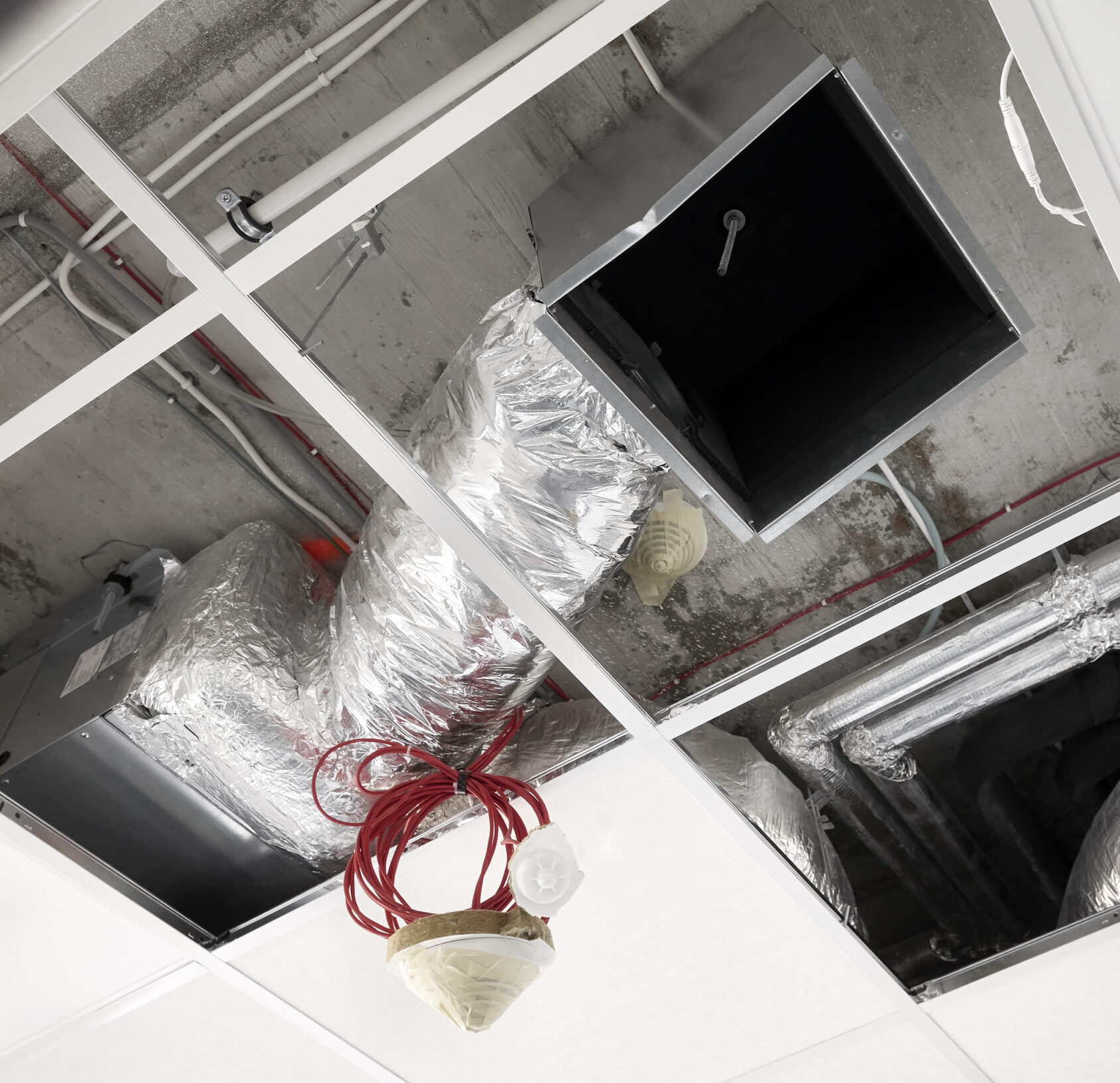
Fix damaged ductwork to restore proper air circulation and increase your HVAC system’s efficiency and comfort.
READ MORE

Air Duct Cleaning
Remove accumulated dust, allergens, and debris to improve indoor air quality and boost your HVAC system’s efficiency.
READ MOREAir Duct Replacement
Upgrade old or damaged ducts for better air quality, lower energy bills, and consistent indoor temperatures.
READ MORE
AC Installation
Stay cool with modern AC systems designed for high efficiency, energy savings, and long-term home comfort.
READ MORE
Dryer Vent Cleaning
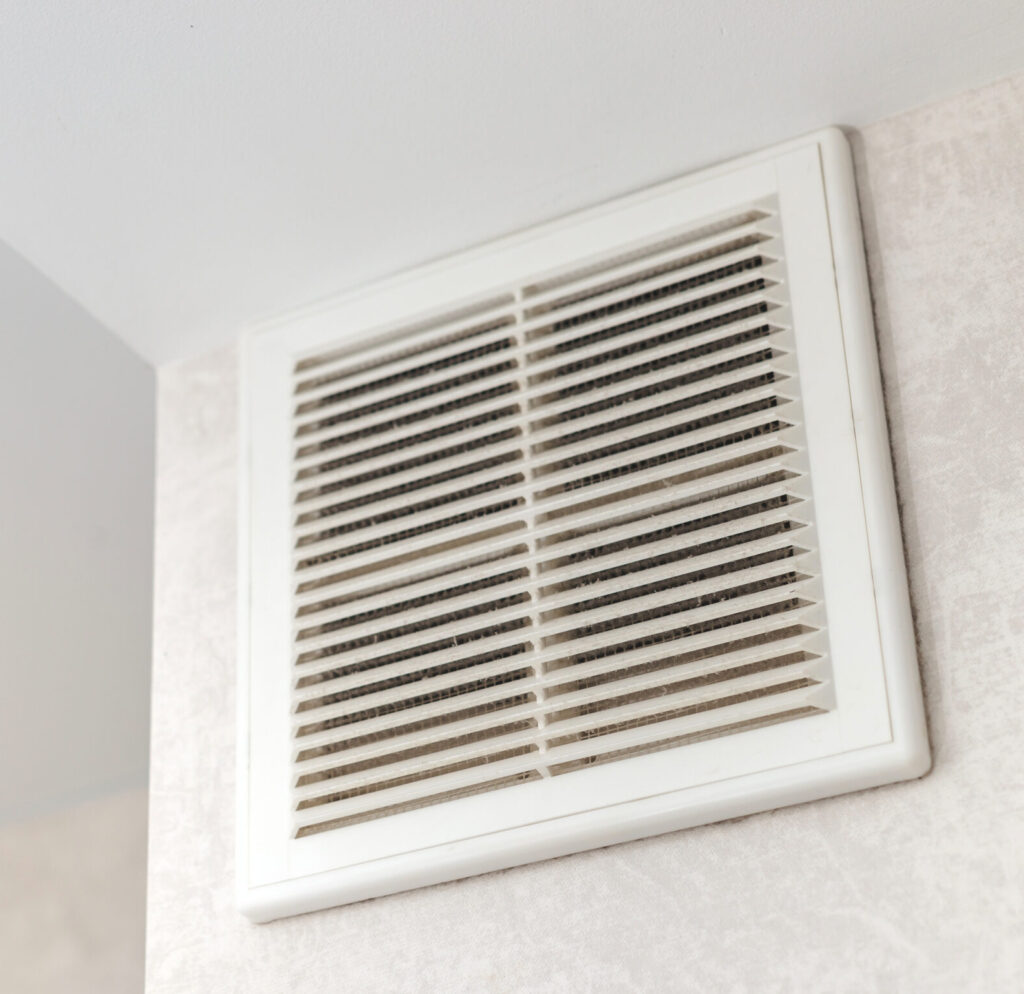
Remove lint buildup and improve airflow to reduce fire risk and extend your dryer’s performance and life.
READ MORE
Dryer Vent Replacement
Replace unsafe or outdated vents for a safer, more efficient dryer and improved indoor air quality.
READ MORE
Dryer Vent Installation
Get professional dryer vent installation that ensures proper airflow, safety, and long-term system efficiency.
READ MORE
Blow-In Insulation
Enhance home comfort and energy savings with high-performance insulation installed quickly and mess-free in your attic.
READ MORE
Insulation Removal
Safely remove old or damaged insulation to eliminate allergens, pests, and moisture before upgrading your space.
READ MORE
Air Sealing
Seal leaks and gaps to stop energy loss, lower bills, and make your home more comfortable year-round.
READ MORE
Airflow Check
Ensure balanced, efficient airflow throughout your home to improve comfort, air quality, and HVAC performance.
READ MORE
UV Light Installation
Protect your home’s air with UV lights that reduce bacteria, mold, and allergens in your duct system.
READ MORE
Related Articles
Dryer Vent Replacement in Daytona Beach, FL
Air Duct Cleaning Services in Daytona Beach, FL
Air Duct Cleaning Services in Ormond Beach, FL
AC Installation in Daytona Beach, FL
People Also Ask
The cost to have a professional dryer vent installed typically ranges from $150 to $400, though complex installations can exceed $600. The final price depends heavily on the vent's required length, the materials used (rigid metal ducting is recommended), and the complexity of the run. Factors like navigating through walls, multiple bends, or adding an exterior wall cap increase labor time and cost. It is a critical safety and efficiency upgrade, as improper installation is a leading cause of house fires. For a detailed breakdown of best practices and what a proper installation entails, we recommend reading our internal guide, Dryer Vent Installation. Always obtain multiple quotes from licensed HVAC or duct specialists.
For professional dryer vent installation, you should call a licensed HVAC contractor or a specialized ductwork company. These professionals have the expertise to ensure the vent is correctly sized, routed, and terminated according to local building codes and manufacturer specifications. A proper installation is critical for safety, preventing lint buildup that can cause fires, and for appliance efficiency. Avoid using general handymen for this task, as improper venting is a common and dangerous issue. For residents in that area, detailed guidance on the process and its importance is available in our internal article, Dryer Vent Replacement in Ponte Vedra, FL. Always verify a contractor's credentials and insurance before hiring.
Yes, a DIY dryer vent installation is possible for a handy homeowner, but it requires careful planning and adherence to safety codes. The key is to create the shortest, straightest path possible to the outdoors, using rigid metal ducting (not plastic or foil) to prevent lint accumulation and fire hazards. All connections must be sealed with metal foil tape, not duct tape. The exterior vent must have a proper hood with a backdraft damper. Critical mistakes include excessive length, sharp bends, and terminating in an attic or crawlspace, which can cause moisture damage and is a major fire risk. For a complete guide on materials, routing, and code requirements, refer to our detailed resource Dryer Vent Installation.
Yes, a dryer vent must always be vented directly to the outdoors. This is a critical safety and building code requirement. Venting a dryer indoors, even into a garage or attic, creates severe hazards. It releases moist, lint-filled air that promotes mold growth, wood rot, and can significantly reduce indoor air quality. More dangerously, this exhaust contains combustible lint particles and carbon monoxide from gas dryers, creating a serious fire and health risk. Proper venting uses a short, straight, rigid metal duct routed through an exterior wall. Regular cleaning of the entire vent system is essential to maintain efficiency and prevent dangerous lint buildup, which is a leading cause of house fires.