
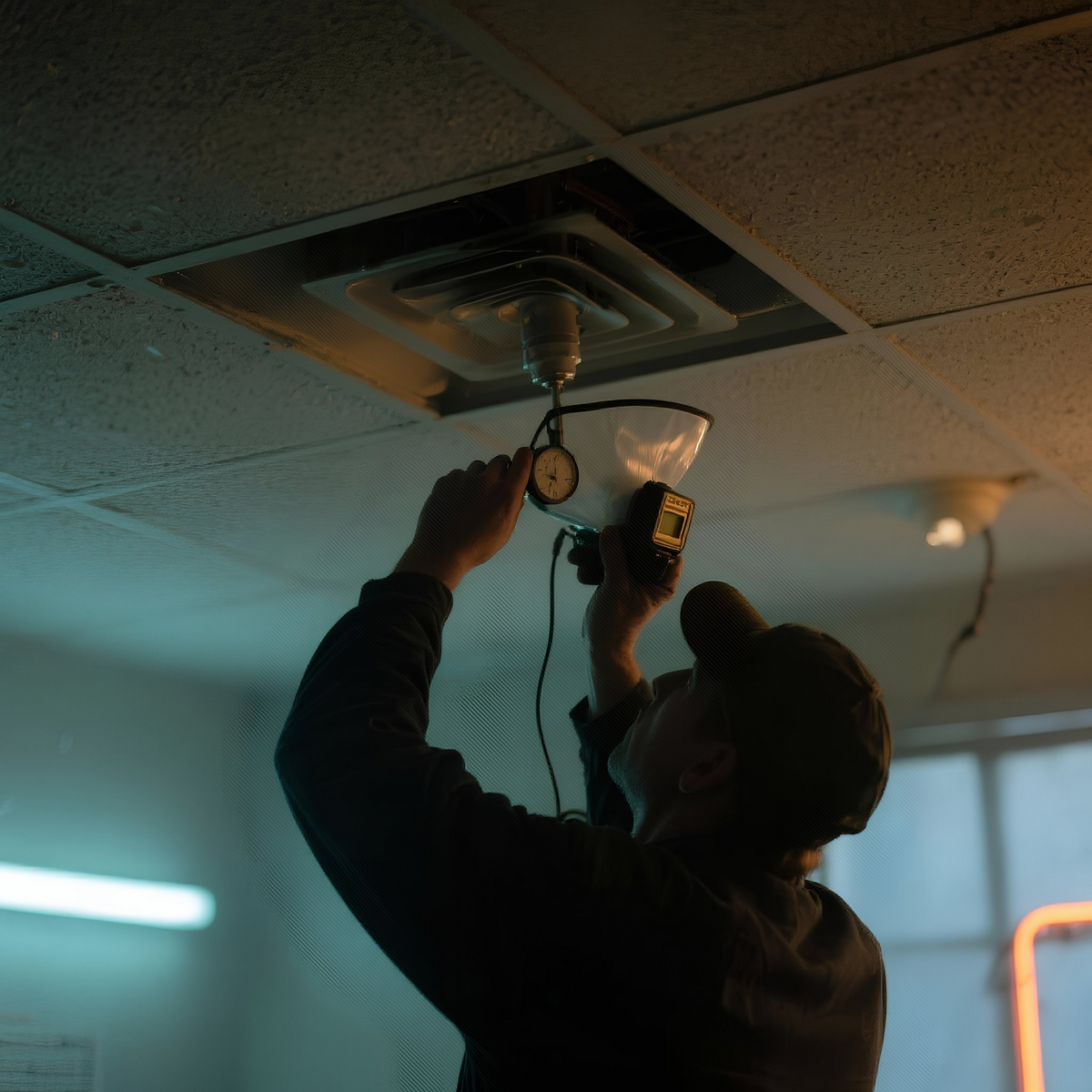
It’s Not Just Dust: What’s Really In Your Ductwork
Table of Contents
Understanding What Accumulates Inside Household Ductwork
Air duct systems accumulate heavy particulate loads over time, including pet dander, mold spores, pollen, drywall dust, and organic debris. As air circulates through dirty pathways, indoor airflow drops, HVAC mechanical strain increases, and internal system components degrade. Professional cleaning removes these trapped pollutants to stabilize indoor air quality and protect mechanical system integrity.
In our field operations across Palm Coast and St. Augustine, Florida, we frequently encounter HVAC systems operating under extreme static pressure due to hidden debris accumulation. During a recent service call at a coastal residence, the homeowner reported continuous dusty surfaces and short-cycling air conditioning units. Our inspection revealed a thick layer of fine drywall dust mixed with pet hair that had settled into the supply plenum, restricting air movement by over 30 percent. We deployed negative-air extraction systems alongside rotary pneumatic whips, safely removing the compacted debris without damaging the internal duct lining.
Conditioned air acts as the continuous delivery system for indoor environments, making duct cleanliness essential for whole-house comfort. When dust and biological fragments accumulate inside return vents, the HVAC air handler repeatedly recirculates these contaminants throughout every room. Over time, this buildup coats internal evaporator coils, reducing heat-exchange efficiency and driving up monthly electrical consumption.
Maintaining pristine air distribution pathways prevents premature mechanical failure in high-demand heating and cooling systems. If your home has undergone recent indoor renovations, prioritize immediate duct extraction to capture abrasive construction particulate; if your household includes shedding pets, schedule routine duct inspections every three years to prevent organic matting along trunk walls. Addressing these physical blockages early safeguards both indoor air health and costly HVAC equipment.
What Contaminants Are Really Hiding in Your HVAC Vents
Ductwork holds complex biological and structural contaminants, ranging from mold spores and dust mites to insect fragments and construction debris. When left uncleaned, these substances recirculate continuously through living spaces, degrading indoor air quality and triggering respiratory irritation. Eliminating these particulates stops cross-contamination between rooms and maintains system balance.
Indoor air distribution systems trap a wide array of particulates that simple vacuuming cannot reach. According to the United States Environmental Protection Agency, indoor air pollutant levels can be significantly higher than outdoor levels, with improperly maintained heating and cooling systems acting as secondary sources of indoor contamination. These trapped materials deteriorate indoor environmental health over prolonged periods.
We regularly extract dense combinations of organic and inorganic debris from residential and commercial duct networks. Common contaminants found within residential supply and return lines include:
- Biological allergens such as pet dander, pollen, and airborne mold spores
- Pest refuse, including insect casings and droppings trapped in low-velocity duct bends
- Building material residue, such as fiberglass fibers, plaster grit, and drywall dust
- Human epithelial skin cells that nourish dust mite populations inside the return plenum
If your home exhibits localized elevated humidity levels, prioritize mechanical duct cleaning combined with EPA-registered antimicrobial misting to prevent mold colonization. If your air distribution system utilizes unlined sheet metal ducts, schedule high-velocity air sweeping to dislodge encrusted grime. Matching the appropriate extraction method to your duct material prevents structural wall damage while restoring pure indoor airflow.
Why Air Duct Cleaning and Attic Insulation Function as a System
Clean ductwork requires proper insulation to maintain thermal performance and prevent atmospheric moisture condensation inside air pathways. Uninsulated or thin attic insulation allows extreme temperature differentials, causing ducts to sweat, harbor microbial growth, and waste energy. Integrating duct cleaning with attic insulation sealing creates a stable thermal barrier that lowers operating costs.
Air duct performance depends heavily on the surrounding attic thermal environment. According to benchmark data published by ENERGY STAR, typical homes lose 20 to 30 percent of conditioned air through leaks, gaps, and poorly insulated duct connections. When unconditioned attic air collides with cool duct surfaces during hot summer months, surface condensation develops along the duct lining.
In our field experience, duct cleaning alone cannot solve airflow issues if attic insulation is missing or matted down. On a residential project in Palm Coast, we addressed severe mold growth inside flexible duct branches caused by extreme attic heat exposure. We sanitized the internal ductwork, sealed all joint connections with professional-grade mastic compound, and upgraded the attic insulation depth to R-38. This systemic approach eliminated duct sweating and reduced the home’s cooling costs noticeably.
Systemic insulation improvements directly protect air quality across the whole house. If you observe hot spots in ceiling rooms alongside dirty register grilles, combine duct sealing with blown-in attic insulation to eliminate thermal leakage. If your duct system passes through an unconditioned crawlspace, insulate supply lines with closed-cell insulation sleeves to maintain stable delivery temperatures.
Preventing Fire Hazards Through Routine Dryer Vent Maintenance
Clogged dryer vents present a severe fire risk because compressed lint restricts hot airflow and traps heat inside the appliance exhaust duct. Routine mechanical removal of lint buildup restores proper exhaust ventilation, reduces energy waste, and protects structure safety. Skipping this maintenance forces dryers to run excessively hot and increases operational failure rates.
Dryer exhaust ducts represent one of the most critical safety areas within any residential property. According to documented safety reports from the National Fire Protection Association, clothes dryers account for thousands of structure fires each year, with failure to clean lint from exhaust vents serving as the leading factor in 33 percent of reported dryer fires. Highly flammable lint accumulates behind the drum and along wall transition elbows over time.
We routinely resolve severe dryer ventilation blockages caused by long duct runs and improper transition materials. During one commercial service call for a multi-unit laundry facility, dryers were failing due to thermal cut-off trips caused by a completely blocked 20-foot vertical exhaust line. We utilized reverse-air rotary brushes and high-pressure vacuum draws to clear pounds of packed lint, restoring full airflow and preventing potential fire ignition.
Evaluating dryer exhaust efficiency requires watching key operational indicators. If your clothes require multiple drying cycles to dry completely, schedule immediate exhaust duct cleaning; if your dryer exterior feels excessively hot to the touch during operation, inspect the termination hood flap for lint restrictions. Addressing vent blockages promptly protects structural safety and minimizes appliance energy draw.
Cost Factors and Evaluation Framework for Air Duct Services
The cost of air duct cleaning depends on house square footage, duct accessibility, system layout complexity, and contamination severity. Professional pricing reflects heavy-duty negative pressure equipment, multi-stage HEPA filtration, and rigorous labor rather than superficial vacuuming. Homeowners evaluate pricing trade-offs by weighing short-term service expense against long-term energy savings and HVAC lifespan expansion.
Service costs vary significantly depending on system design and physical access requirements. A single-story residential home with accessible drop-ceiling registers requires less setup time than a multi-story home featuring concealed flex ducts. Legitimate duct cleaning providers conduct comprehensive on-site inspections to assess contamination levels before issuing binding price estimates.
Homeowners should exercise caution when presented with low promotional pricing, such as 99 US dollars whole-house specials. These promotions frequently omit essential cleaning steps, such as air handler cleaning or return trunk sanitization, resulting in incomplete service and hidden add-on charges. Investing in certified professional cleaning ensures all system components receive thorough decontamination.
| Service Approach | Primary Capabilities | Typical Limitations | Ideal Application |
|---|---|---|---|
| Basic Register Vacuuming | Surface dusting at vent grilles | Misses main trunk line and air handler | Minor cosmetic surface maintenance |
| Portable HEPA Vacuuming | Localized negative air containment | Lower suction velocity in complex layouts | Small homes with accessible straight runs |
| Truck-Mounted Negative Air Extraction | High-CFM negative suction and agitation | Higher initial service investment | Deep extraction for whole-house systems |
| Integrated Duct & Insulation Upgrade | Total thermal envelope and airflow seal | Requires comprehensive multi-stage labor | Older homes with high thermal loss |
How to Select a Qualified HVAC Duct Cleaning Contractor
Selecting a reputable service provider requires verifying technical certifications, inspecting equipment specifications, and insisting on detailed system inspections before work begins. Qualified contractors use negative-pressure suction equipment and adhere to industry standards rather than relying on low-cost door-to-door promotions. Rigorous service criteria ensure complete contamination removal without damaging internal mechanical duct liners.
To select a reputable duct cleaning specialist, homeowners should follow a structured evaluation procedure:
- Confirm contractor certifications from recognized national ventilation associations to verify adherence to industry standards.
- Request a preliminary physical inspection of the air handler, blower wheel, and duct interior before agreeing to service scope.
- Verify that the contractor utilizes continuous negative-pressure containment equipment equipped with high-efficiency HEPA filtration.
- Demand a written service contract detailing the specific cleaning process for supply trunks, return lines, and coil surfaces.
Evaluating contractor capability protects your heating and cooling equipment from accidental damage during service. If a service contractor relies solely on hand-held shop vacuums without sealing supply registers, reject the quote; if a contractor provides clear pre-cleaning video inspections and transparent line-item pricing, proceed with confidence. Proper service selection guarantees healthier indoor air and verified HVAC efficiency.
Frequently Asked Questions
How frequently should home duct systems be cleaned?
Residential air duct systems generally require professional cleaning every three to five years depending on home conditions. Homes with shedding pets, occupants suffering from asthma, or recent major remodeling projects require shorter cleaning intervals.
Will professional duct cleaning reduce indoor dust levels?
Yes, thorough air duct extraction significantly reduces household dust by removing internal dust reservoirs within the HVAC system. Eliminating debris from supply lines prevents dust from continually recirculating across furniture and living space surfaces.
Can homeowners perform effective duct cleaning themselves?
No, homeowners cannot perform comprehensive duct cleaning because consumer tools lack the necessary negative air pressure and specialized pneumatic whips. Improper DIY vacuuming can dislodge heavy dust without extracting it, worsening indoor air quality.
What is the best season to schedule air duct cleaning?
Spring and autumn offer the best conditions for scheduling air duct cleaning service due to moderate outdoor temperatures. Servicing systems during these shoulder seasons ensures your HVAC equipment operates efficiently before summer cooling or winter heating demands peak.
How do dirty air ducts affect HVAC energy consumption?
Dirty air ducts increase electrical energy consumption by restricting airflow velocity and forcing the air handler blower motor to work harder. Removing internal debris restores proper system static pressure, allowing equipment to run shorter, more efficient cooling cycles.
Sources
- National Fire Protection Association (NFPA) – Home Fires Involving Clothes Dryers and Washing Machines: https://www.nfpa.org
- U.S. Environmental Protection Agency (EPA) – Guide to Air Cleaners and Indoor Air Quality: https://www.epa.gov
- U.S. Department of Energy & ENERGY STAR – Duct Sealing and Energy Efficiency: https://www.energystar.gov
People Also Ask
Yes, cleaning your air ducts can significantly reduce the amount of dust circulating in your home. Over time, dust, debris, and allergens accumulate inside the ductwork. When your HVAC system runs, it blows this material directly into your living spaces. A professional cleaning removes these built-up contaminants, leading to noticeably less dust settling on your furniture and surfaces. However, be cautious of companies that promise a completely dust-free home, as that is unrealistic. To ensure you receive a legitimate service, read our internal article titled The Red Flags Of A Duct Cleaning Scam: How To Spot A “Blow-and-Go” Company to learn how to spot a "blow-and-go" company. Airwayz Duct and Insulation recommends pairing duct cleaning with regular filter changes for the best results in Palm Coast.
If you never clean your air ducts, dust, allergens, pet dander, and mold spores accumulate within the system. This buildup forces your HVAC unit to work harder, increasing energy bills and potentially leading to premature system failure. Over time, the recirculated air degrades indoor air quality, which can aggravate asthma and allergy symptoms for your household. Unclean ducts also become a breeding ground for dust mites, bacteria, and even pests. For residents in Palm Coast, regular maintenance is key to avoiding these risks. For a thorough understanding of proper care, you can read our internal article titled Experience The Pinnacle Of Air Duct Cleaning In Palm Coast.. Trusting a professional service like Airwayz Duct and Insulation ensures your system remains efficient and your air stays healthy.
To reduce dust entering your home through the vents, the most effective solution is to install high-quality HVAC air filters with a MERV rating between 8 and 13. These filters capture microscopic particles before they circulate. Additionally, ensure all vent registers are properly sealed to prevent dust from being pulled in from unconditioned spaces like attics or crawlspaces. For a deeper clean, consider having your ductwork professionally inspected and sealed. At Airwayz Duct and Insulation, we recommend reading our internal article Where Comfort Meets And Efficiency to learn how proper insulation and duct maintenance work together to minimize airborne dust. Avoid placing loose materials like dryer sheets or sponges inside vents, as they restrict airflow and can damage your system.
To determine if the substance on your air vent is dust or mold, start by performing a simple visual and touch test. Dust typically appears as a dry, fuzzy, or powdery layer that can be easily wiped away with a dry cloth. Mold, on the other hand, often looks slimy, greasy, or has a speckled pattern in colors like black, green, or brown. A key indicator is the reaction to moisture; if you spray a small area with water, mold may darken or become more defined, while dust will simply wash off. Another strong sign is a musty or earthy odor near the vent, which suggests mold growth. For a definitive answer, you can use a home testing kit or have a professional inspect the area. If you suspect mold, it is crucial to address it promptly, as it can affect indoor air quality and health. For more detailed guidance, read our internal article Signs You Should Really Get Your Air Ducts Cleaned. At Airwayz Duct and Insulation, we recommend scheduling a professional inspection if you are unsure, as improper cleaning can spread mold spores.