
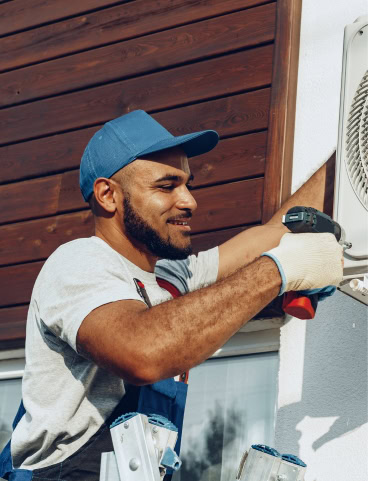
Palm Coast Dryer Vent Installation Code, Permits & Safety – Homeowner’s Guide
Table of Contents
Why Dryer Vent Code Compliance Is Non-Negotiable in Palm Coast
Adhering to strict dryer vent building codes in Palm Coast prevents devastating residential structural fires, eliminates hazardous indoor moisture accumulation, and ensures full compliance with Florida municipal regulations. Proper exhaust systems safely expel combustible lint and intense thermal heat outdoors, protecting structural integrity while maximizing appliance performance across Flagler County properties.
In our field operations throughout Flagler County, we routinely identify homes where compromised ductwork creates severe fire hazards. Data published by the National Fire Protection Association indicates that clothes dryers account for 92 percent of laundry appliance fires, with failure to clean and maintain exhaust ducts cited as the primary contributing ignition factor in one-third of all incidents. When thermal energy builds inside restricted vent lines, trapped lint ignites rapidly, turning an unmaintained duct into a dangerous flame conduit.
Florida’s coastal environment intensifies these risks because persistent high outdoor humidity prevents indoor moisture from evaporating easily. Moist air trapped inside improperly pitched or constricted vent pipes rapidly condenses into standing liquid water. This trapped condensation converts loose lint into a heavy slurry, resulting in complete duct blockages and rapid mold propagation inside wall cavities.
Furthermore, local municipal codes enforce mechanical ventilation standards to protect building stability and property values. Operating an illegal exhaust configuration violates Florida Building Code mandates, which can compromise homeowner insurance coverage following a fire event. We regularly assist Palm Coast property owners in converting hazardous, non-compliant exhaust pathways into fully certified, code-compliant installations.
Essential Florida Building Code Requirements for Dryer Venting
The Florida Building Code mandates that residential dryer exhaust ducts must be constructed from smooth interior rigid metal with a minimum thickness of 0.016 inches and a 4-inch diameter. Vents must terminate directly outdoors through an approved backdraft damper, operate independently from other systems, and omit protective lint-trapping wire screens.
To maintain safety across Palm Coast homes, state mechanical standards enforce precise dimensional and structural criteria. Every exhaust assembly component must withstand high heat without collapsing, corroding, or trapping airborne fibers over years of operation. Guidelines published by the International Code Council under Florida Building Code Residential Section M1502 define these mandatory technical specifications for residential properties.
| Technical Requirement | Code Specification Standard | Regulatory Code Citation |
|---|---|---|
| Duct Construction Material | Rigid galvanized steel or rigid aluminum with smooth interior finish | FBC-R M1502.4.1 |
| Nominal Duct Diameter | 4 inches uniform diameter | FBC-R M1502.4.1 |
| Wall Material Thickness | Minimum 0.016 inches (28-gauge thickness) | FBC-R M1502.4.1 |
| Maximum Developed Length | 35 feet adjusted for elbow fitting deductions | FBC-R M1502.4.5 |
| Mechanical Fasteners | Fasteners extending no more than 1/8 inch internally | FBC-R M1502.4.2 |
| Transition Duct Standard | UL 2158A listed, maximum 8 feet length, fully accessible | FBC-R M1502.4.3 |
| Outdoor Termination Outlet | Approved backdraft damper, no screens, minimum 12.5 sq in opening | FBC-R M1502.3.1 |
Permitted Materials Versus Prohibited Ductwork Options
Florida mechanical building codes require rigid galvanized steel or rigid aluminum piping with smooth interior walls for all concealed dryer vent pathways inside walls, ceilings, or floor assemblies. Flexible plastic vinyl tubing, corrugated foil ducts, and PVC piping are strictly prohibited within enclosed structural cavities because their corrugated ridges trap flammable lint and collapse under thermal stress.
During our site evaluations across Palm Coast, we frequently find legacy installations utilizing flexible foil or accordion-style plastic tubing behind drywall. These flexible ducting materials present severe fire hazards because internal ridges disrupt linear airflow and trap combustible lint particles. Over time, restricted airflow causes heat to build inside the dryer cabinet, tripping internal thermal limit switches and increasing ignition risk.
Transition ducts connecting the back of the appliance to the permanent wall receptacle must follow strict regulatory constraints. Homeowners may only use single-length, UL 2158A listed flexible metal connectors that do not exceed 8 feet in length. These flexible connectors must remain visible and accessible, and they must never pass through walls, ceilings, floors, or concealed building voids.
We exclusively install heavy-duty 28-gauge rigid metal ductwork for concealed exhaust runs in Flagler County homes. Rigid metal provides maximum structural endurance, fire containment, and optimized airflow dynamics. We seal every joint seam using high-temperature aluminum foil tape rather than standard cloth duct tape, which deteriorates rapidly under heat and humidity.
Calculating Maximum Developed Duct Length and Elbow Deductions
The maximum permissible developed length for a residential dryer exhaust duct in Palm Coast is 35 feet, measured from the appliance wall connection to the outdoor exit cap. Every 90-degree elbow fitting reduces this allowable distance limit by 5 feet, while each 45-degree elbow fitting reduces the maximum allowable length by 2.5 feet.
Calculating maximum developed length requires adding the linear footage of straight pipe to the equivalent length penalties generated by directional fittings. Excess directional elbows create static pressure resistance that slows exhaust velocity, allowing lint fibers to drop out of suspension and settle inside the ductwork.
Developed Length = Linear Feet of Straight Pipe + (Quantity of 90-Degree Elbows x 5 Feet) + (Quantity of 45-Degree Elbows x 2.5 Feet)
For example, consider a Palm Coast home layout requiring 15 feet of straight pipe, two 90-degree elbows, and one 45-degree elbow. The fitting deduction equals 10 feet for the two 90-degree turns plus 2.5 feet for the 45-degree turn, totaling 12.5 equivalent feet of restriction. Adding 12.5 feet to the 15 feet of straight pipe results in a total developed length of 27.5 feet, which successfully complies with the 35-foot maximum threshold.
If a residential layout requires a pathway exceeding 35 developed feet, specialized engineering solutions become mandatory under Florida building codes. We install inline power ventilators tested to UL 705 standards or re-route exhaust pathways to reduce overall linear distance. When duct runs exceed standard limits based on appliance manufacturer specifications, local code requires affixing an official calculation label near the dryer wall connection.
Vent Termination Code Requirements and Location Prohibitions
Dryer exhaust systems in Palm Coast must terminate directly outside the building envelope through an approved hood equipped with an operable backdraft damper. Terminating exhaust ductwork into attics, crawlspaces, interior garages, soffits, or chimney flues violates Florida building codes and forces dangerous concentrations of moisture and combustible lint directly into hidden structural assemblies.
Exterior termination wall caps must feature an operable backdraft damper flap that opens during appliance operation and closes securely when the dryer stops. Florida Building Code Section M1502.3 strictly prohibits placing wire mesh or insect screens over termination openings because lint rapidly coats the mesh, causing severe pressure buildup.
Additionally, outdoor exhaust termination hoods must maintain a minimum distance of 3 feet from any building opening, including operable windows, doors, and fresh air intake vents. Maintaining this spatial clearance prevents humid, lint-laden exhaust air and potential combustion gases from re-entering the residence.
Exterior wall caps must also provide an unrestricted open exhaust area of at least 12.5 square inches to maintain velocity. In Flagler County, we install weather-resistant wall caps designed to resist wind-driven rain while preventing coastal pests from entering ductwork without utilizing prohibited wire screens.
Flagler County Dryer Vent Permit Requirements and Regulatory Workflow
Installing new dryer exhaust ductwork or penetrating an exterior wall or roof in Palm Coast requires obtaining an official mechanical permit from local municipal authorities. Municipal permitting ensures all structural wall penetrations, duct materials, and routing calculations satisfy Florida Building Code standards to protect home safety and structural durability across Flagler County.
Property owners can verify permitting mandates directly through the official Flagler County Central Permitting Division portal or the City of Palm Coast Building Division. Formal permitting is required whenever projects involve cutting new exterior envelope penetrations, altering duct routing pathways, or installing ductwork during home additions or major remodels.
Routine maintenance activities and direct like-for-like repairs generally do not require a formal mechanical building permit. Replacing short straight pipe segments or updating damaged exterior wall hoods along existing, code-compliant duct runs falls under standard home maintenance exemptions.
Bypassing required municipal permits creates significant legal and financial risks for property owners. Unpermitted mechanical modifications can disrupt future real estate closings and give insurance adjusters legal grounds to deny property claims following a dryer fire. We handle all municipal permit filings, engineering calculations, and documentation on behalf of our clients to ensure complete regulatory compliance.
Step-by-Step Permit Application and Inspection Process
Navigating the Flagler County dryer vent permit process requires preparing mechanical plans, submitting municipal applications, installing code-compliant ductwork, and completing mandatory rough-in and final building inspections. This structured regulatory pipeline ensures that concealed duct runs and exterior wall penetrations conform strictly to Florida mechanical building standards before wall cavities are enclosed.
- Compile project documentation, including proposed duct material specifications, path layout diagrams, calculated developed length totals, and appliance manufacturer guidelines.
- Submit the formal mechanical permit application through the local municipal online portal and settle required municipal application fees.
- Complete mechanical ductwork construction, ensuring all concealed sections, structural support straps, and high-temperature foil tape seals meet state building standards.
- Schedule a municipal rough-in inspection before closing drywall so building inspectors can examine concealed duct materials, fastener depths, and clearance spacing.
- Complete exterior wall penetrations, mount approved backdraft wall caps, attach UL-listed transition ducting, and request a final municipal inspection.
- Receive official permit completion approval and archive all inspection certificates for future property valuation and real estate records.
We streamline this operational pipeline by handling drawing preparation, online municipal portal submissions, physical ductwork execution, and inspector walkthroughs for Palm Coast homeowners.
Navigating Coastal Climate Vulnerabilities in Flagler County
Palm Coast’s coastal environment introduces extreme ambient humidity, wind-driven rain, and persistent pest activity that accelerate dryer vent degradation. Mechanical installations require high-gauge corrosion-resistant metal ducting, weather-sealed exterior hoods, and slight downward pitch angles to prevent internal moisture accumulation, mold growth, and storm damage inside wall and roof runs.
Elevated atmospheric humidity across Flagler County creates distinct operational challenges for residential exhaust systems. When warm, moisture-laden dryer exhaust passes through cool unconditioned attic spaces or exterior wall cavities, water droplets condense rapidly inside metal piping. If ductwork lacks adequate structural support straps and sags, standing water collects in low points, trapping lint and fostering toxic mold colonies.
Wind-driven rain during tropical storms and hurricanes presents another threat to exterior wall and roof penetrations. Low-quality exterior wall caps allow windborne water to infiltrate wall assemblies or flow backward down vertical duct runs, resulting in structural water damage and appliance motor failure.
Additionally, coastal wildlife such as mud daubers, geckos, and rodents frequently target open vent openings for nesting sites. We install heavy-duty louvered wall caps engineered to block coastal weather and pests while opening effortlessly under normal exhaust airflow pressure.
Special Compliance Rules for Multi-Family Units and Condominiums
Dryer vent installations in Palm Coast multi-family buildings and condominiums must satisfy rigorous fire-resistance structural regulations alongside standard Florida mechanical code rules. Exhaust penetrations passing through fire-rated wall or floor-ceiling assemblies require certified intumescent firestop sealants, approved fire dampers, and explicit approval from Homeowners Associations prior to starting construction.
Multi-family residential structures rely on fire-rated separation assemblies to prevent fire from spreading between adjacent living units. When an exhaust pipe pierces a fire-rated drywall partition, technicians must seal the outer perimeter using UL-listed intumescent firestop materials and fire-rated wall sleeves.
Shared exhaust shafts or long multi-story vent pathways in condominium complexes require specialized engineering to balance static airflow pressure. Improperly balanced pressure in multi-story duct systems can cause humid, lint-filled exhaust air to back-feed into neighboring residential units.
We collaborate directly with property management boards, building superintendents, and HOA committees throughout Flagler County to ensure all multi-family retrofits satisfy fire codes and architectural covenants. We provide comprehensive documentation verifying firestop compliance and structural penetration safety for condominium association records.
Gas Dryer Venting and Carbon Monoxide Safety Protocols
Gas dryer installations in Palm Coast require strict adherence to fuel gas safety codes to eliminate dangerous indoor carbon monoxide exposure risks. Gas dryers demand completely independent rigid metal exhaust ducts terminating outdoors, paired with mandatory indoor carbon monoxide alarm installations throughout nearby residential living areas.
Unlike electric dryers, gas-powered units generate toxic combustion byproducts including carbon monoxide, nitrogen dioxide, and water vapor during operation. A clogged, damaged, or improperly fitted gas dryer vent allows dangerous, odorless gases to accumulate inside residential living spaces.
Florida fuel gas codes require gas exhaust systems to remain completely isolated from all other building ventilation systems, fan ducts, or chimney flues. Exhaust duct joints must be oriented with male crimped ends pointing in the direction of airflow and sealed thoroughly with high-temperature foil tape to prevent gas leaks.
We advise all gas dryer owners in Palm Coast to install UL-listed carbon monoxide detectors in laundry rooms and adjacent hallways. Routine monthly alarm checks and annual professional inspections of gas exhaust lines safeguard home occupants against carbon monoxide poisoning.
Insurance Policy Liabilities and Homeowner Financial Risk
Operating an unpermitted or non-compliant dryer vent system creates significant insurance liability and potential financial loss for Palm Coast homeowners. Following a residential laundry fire, insurance claims adjusters inspect mechanical venting components, and evidence of unpermitted modifications or prohibited plastic materials can result in formal claim denials.
Standard homeowners insurance policies contain clauses requiring policyholders to maintain building systems in compliance with local municipal codes. If an official fire investigation determines that a laundry fire originated from non-compliant flexible plastic tubing or an unpermitted duct termination, insurance carriers may categorize the disaster as preventable negligence.
Beyond fire damage liabilities, unpermitted mechanical modifications create severe complications during home sales. Qualified home inspectors flag illegal duct materials and unpermitted exterior penetrations, forcing home sellers to fund emergency retrofits and permitting reconciliations prior to closing.
Hiring a licensed, insured mechanical contractor shifts technical responsibility away from the property owner. We maintain comprehensive general liability insurance and workers’ compensation coverage, providing property owners with verifiable proof of code compliance and safety.
Real-World Field Resolution: Rectifying Non-Compliant Installations
Our technical field teams routinely resolve complex, high-risk dryer vent failures across Palm Coast residential properties. In one representative project, we remedied a hazardous 42-foot attic duct run constructed with prohibited flexible foil, resolving severe moisture saturation, heavy mold proliferation, and imminent fire ignition risks for the homeowner.
The single-family residence, situated in a Palm Coast neighborhood near Grand Haven, suffered from extended two-hour drying cycles and a strong burning smell. Our diagnostic evaluation revealed that a previous contractor routed 42 feet of flexible accordion foil duct through an unconditioned attic space, inserting four sharp 90-degree directional bends along the run.
The long physical distance combined with the four elbows created an equivalent developed length exceeding 62 feet, far above Florida’s 35-foot maximum code limit. Furthermore, the flexible foil had sagged between ceiling joists, collecting condensation and lint that completely blocked the pipe near the exterior exit point.
To eliminate these severe hazards, our team engineered and installed a completely compliant mechanical venting system. We removed the sagged foil duct and installed straight 28-gauge rigid galvanized steel piping, re-routing the pathway to exit through an exterior side wall. By eliminating three unnecessary elbows and reducing linear distance, we brought the total developed length down to 22 feet. We installed an approved exterior wall cap with a backdraft damper, applied firestop sealing, and managed the Flagler County mechanical permit process through final inspector approval.
Professional Mechanical Installation Versus DIY Execution
Attempting DIY dryer vent installation in Palm Coast often leads to improper material selection, illegal elbow length calculations, compromised wall weatherproofing, and failed municipal inspections. Professional mechanical installation guarantees complete Florida Building Code compliance, precise masonry diamond core drilling, full permit management, and long-term fire safety for residential properties.
While self-installation projects may appear cost-effective initially, proper mechanical venting requires specialized technical skills and commercial tools. Penetrating Palm Coast’s concrete block wall construction requires heavy-duty diamond core drilling equipment and multi-layer weatherproofing flashings that basic DIY tools cannot execute safely.
| Operational Criteria | DIY Installation Approach | Professional Mechanical Installation (Our Service) |
|---|---|---|
| Building Code Compliance | High risk of material or length calculation errors | Guaranteed compliance with Florida M1502 standards |
| Municipal Permitting | Homeowner must submit plans, pay fees, and manage inspections | Full end-to-end permit application and inspection management |
| Ductwork Materials | Risk of purchasing non-compliant flexible connectors | Heavy-duty 28-gauge rigid galvanized steel or aluminum |
| Wall Penetration Execution | High risk of cracked block, moisture leaks, and poor seals | Professional diamond core drilling with complete weatherproofing |
| Fire & Liability Risk | Full financial and legal liability retained by homeowner | Work backed by commercial insurance, warranties, and permits |
| Project Completion Time | Often requires multiple weekends and hardware runs | Completed within hours with zero disturbance to property |
Essential Homeowner Compliance and Safety Checklist
Evaluating a Palm Coast dryer vent system requires verifying duct material types, calculated developed lengths, mechanical fastener protrusion depths, joint sealing tapes, and backdraft damper operations against Florida mechanical standards. Homeowners should systematically inspect these twelve critical compliance points to verify complete structural safety and code adherence across their exhaust installations.
- Confirm the entire concealed duct run uses smooth-walled rigid galvanized steel or rigid aluminum piping.
- Measure nominal duct diameter to verify a uniform 4-inch round profile throughout the duct run.
- Calculate total developed length, ensuring straight pipe plus elbow penalties do not exceed 35 feet.
- Verify flexible transition ducting is UL 2158A listed, under 8 feet long, and fully accessible.
- Inspect duct joints to ensure crimped pipe ends point in the direction of exhaust airflow.
- Confirm joints are sealed exclusively with high-temperature aluminum foil HVAC tape rather than standard cloth tape.
- Ensure mechanical fasteners do not penetrate more than 1/8 inch into the interior duct cavity.
- Verify rigid pipe support straps are installed at intervals preventing duct sag or separation.
- Confirm vent exhaust terminates outdoors and never into attics, soffits, crawlspaces, or garages.
- Check exterior hood for an operable backdraft damper that opens fully during operation and closes when idle.
- Verify the exterior termination hood contains no internal wire mesh screens or insect covers.
- Ensure a minimum 3-foot clearance exists between the exterior termination cap and any building opening.
Comprehensive Dryer Vent Maintenance Protocols
Maintaining a code-compliant dryer vent system in Palm Coast requires daily lint filter cleaning, monthly exterior damper inspections, bi-annual cabinet vacuuming, and annual professional duct cleaning. Consistent routine maintenance removes stubborn lint buildup, preserves high thermal performance, lowers electric utility costs, and mitigates structural fire hazards across Flagler County properties.
| Maintenance Frequency | Required Operational Task | Safety Objective |
|---|---|---|
| After Every Load | Clean appliance internal lint screen filter | Prevents immediate airflow restriction at drum exit |
| Monthly Schedule | Inspect exterior wall cap and check backdraft flap | Ensures free flap movement and clears outdoor debris |
| Bi-Annual Schedule | Vacuum internal dryer cabinet lint cavity | Prevents lint accumulation near electrical heating elements |
| Annual Schedule | Perform professional mechanical exhaust duct cleaning | Cleans full rigid pipe length and restores airflow velocity |
| As Needed | Address warning signs like long drying times or hot cabinet | Eliminates high heat retention and stops thermal fuse failure |
Watch for clear operational warning signs indicating severe duct restriction inside your laundry system. If clothes require more than one cycle to dry, the dryer cabinet feels scalding hot, or a burning odor develops during operation, schedule an immediate professional mechanical inspection.
Vetting Certified HVAC and Dryer Vent Contractors
Selecting a reputable mechanical contractor in Palm Coast requires verifying active Florida state licenses, complete commercial insurance coverage, local Flagler County permitting familiarity, and recognized ventilation certifications. Property owners must evaluate credentials thoroughly to ensure their dryer vent installation strictly satisfies local building code and municipal safety standards.
- Active Florida State Certified Mechanical or Class A/B HVAC Contractor license.
- Comprehensive General Liability insurance coverage and active Workers’ Compensation insurance.
- Industry ventilation certifications demonstrating specialized diagnostic and installation training.
- Proven experience submitting mechanical permits with the Flagler County Central Permitting Division.
- Detailed written estimates outlining material specifications, path layouts, and permit costs without hidden charges.
Our organization maintains full state licensing, commercial insurance coverage, and deep technical expertise in Palm Coast mechanical codes. We manage all regulatory requirements, delivering long-term safety, energy efficiency, and code compliance for residential and commercial clients throughout Flagler County.
Frequently Asked Questions
Is flexible foil duct legal for full dryer vent runs in Palm Coast?
No, flexible foil ducting is strictly illegal for concealed dryer vent runs under the Florida Building Code. State mechanical regulations require smooth interior rigid metal ducting made of galvanized steel or aluminum inside wall and ceiling cavities. Homeowners may only use a single UL 2158A listed flexible metal transition connector up to 8 feet in length between the appliance and the wall receptacle.
What is the maximum allowed length for a residential dryer vent in Flagler County?
The maximum allowed developed length for a residential dryer vent in Flagler County is 35 feet of rigid metal ducting. This 35-foot maximum distance must be reduced by 5 feet for each 90-degree elbow and 2.5 feet for each 45-degree elbow installed along the run. If duct pathways must exceed 35 developed feet, code requires installing an approved UL 705 inline booster fan or acquiring custom engineering sign-off.
Do I need a municipal building permit to replace my dryer vent in Palm Coast?
You need a municipal building permit in Palm Coast whenever creating new exterior wall penetrations, altering existing duct pathways, or installing new vent runs. Simple like-for-like repairs using identical rigid metal pipe along existing routing generally do not require formal permitting. Property owners can verify specific scope requirements through the Flagler County Central Permitting Division prior to starting work.
Why is venting a dryer into an attic or garage prohibited by code?
Venting a dryer into an attic or garage is prohibited because it exhausts high moisture volume and combustible lint into enclosed structural spaces. Moisture expulsions trigger rapid mold growth, roof truss decay, and insulation damage, while accumulated lint creates severe fire hazards. Florida mechanical codes require all dryer exhaust systems to terminate directly outside the building envelope.
Can I place a wire mesh screen over my exterior dryer vent cap to block pests?
No, placing a wire mesh screen over an exterior dryer vent cap is strictly prohibited under Florida mechanical codes. Mesh screens rapidly trap escaping lint fibers, creating dense blockages that restrict airflow and trigger dryer fires. To exclude coastal pests like lizards or birds, install an approved louvered exterior wall cap featuring an operable backdraft damper that opens under airflow and closes securely when idle.
Sources
- National Fire Protection Association (NFPA) – Home Fires Involving Clothes Dryers and Washing Machines. https://www.nfpa.org
- Florida Building Code, Residential Edition – Section M1502 Clothes Dryer Exhaust. https://codes.iccsafe.org
- Flagler County Central Permitting Division – Mechanical Permitting Protocols. https://www.flaglercounty.gov
- International Code Council (ICC) – International Residential Code Section M1502 Provisions. https://codes.iccsafe.org
Related Articles
Frequently Asked Questions | Airwayz Air Duct Services — Palm Coast, FL
The Truth About Duct Cleaning Drawbacks For Palm Coast Homes
People Also Ask
For dryer venting, the International Residential Code (IRC) and most local codes in Palm Coast and Flagler County require that the exhaust duct be made of rigid metal, with a smooth interior surface, and a minimum thickness of 0.016 inches. The maximum developed length of the duct system is 25 feet, with each elbow reducing that length by 5 feet. Flexible transition hoses may only be used for the final connection from the dryer to the wall, and must be of a listed, UL-approved type. Airwayz Duct and Insulation always recommends following these strict standards to prevent lint buildup and fire hazards. For complete details on proper setup, refer to our internal article titled Dryer Vent Installation.
In Florida, the maximum recommended length for a dryer vent is typically 25 feet of straight rigid metal duct. However, this length decreases significantly with each bend or turn. For example, each 90-degree elbow can reduce the allowable length by 5 to 10 feet. The hot, humid climate in Palm Coast and Flagler County makes proper venting critical to prevent moisture buildup and fire hazards. For professional guidance on your specific layout, Airwayz Duct and Insulation recommends consulting our internal article titled A Clean HVAC System Is A Happy HVAC System for comprehensive maintenance tips. Always use smooth metal ducts rather than plastic or foil, and ensure the vent terminates outdoors with a proper hood.
A standard 2x4 wall is generally not suitable for a dryer vent. The interior depth of a 2x4 wall is only about 3.5 inches, which is too narrow to accommodate a standard 4-inch rigid metal duct without compressing the insulation or creating a fire hazard. Building codes typically require a minimum clearance of 1 inch between the duct and combustible materials, making a 2x4 wall a tight fit that often leads to crushed ducts and lint buildup. For safe and efficient operation, a 2x6 wall or a dedicated chase is recommended. For more specific guidance on proper installation in the area, you can refer to our detailed guide on Dryer Vent Installation in Ormond Beach, FL. Airwayz Duct and Insulation always recommends using rigid metal ductwork to maximize safety and airflow.
In Palm Coast and Flagler County, dryer vent installation must follow the 2021 International Residential Code (IRC), which was adopted locally. Key requirements include using smooth, rigid metal duct with a minimum thickness of 0.016 inches. The duct must be as short and straight as possible, with a maximum developed length of 35 feet. Each 90-degree bend reduces this length by 5 feet. Transition ducts, which are flexible, cannot exceed 8 feet in length. All joints must be secured with mechanical fasteners and sealed with approved tape, not screws. The vent must terminate outdoors with a backdraft damper, and screens are prohibited. For professional guidance, refer to our internal article titled 'Frequently Asked Questions | Airwayz Air Duct Services — Palm Coast, FL' at Frequently Asked Questions | Airwayz Air Duct Services — Palm Coast, FL.