
Typical Cost To Clean Air Ducts In Palm Coast
Table of Contents
Typical Cost To Clean Air Ducts In Palm Coast
Professional air duct cleaning in Palm Coast typically costs between 350 USD and 600 USD for a standard 1,500 to 2,500 square foot single-family home. This rate covers total source removal using negative air pressure and HEPA containment. Pricing below 250 USD often signals incomplete surface cleaning, while estimates above 800 USD indicate active biological remediation or duct restoration.
In our experience servicing Flagler County residential and commercial properties, pricing variances stem directly from scope of work, system layout, and equipment setup times. Standard regional rates reflect two certified technicians operating high-CFM extraction gear for two to four hours on site. Proper job pricing must account for fuel, safety rigging, access port creation, air-whip agitation, and system sealing. We encourage home and business owners to evaluate what technical procedures are included at each price tier before committing to service.
Primary Factors Determining Air Duct Cleaning Costs
Air duct cleaning costs in Palm Coast depend on total air handler count, register numbers, system accessibility, duct construction material, and contamination severity. Dual-handler setups or multi-zone systems increase total labor requirements by 70 to 100 percent compared to single-unit layouts. Furthermore, elevated Florida attic humidity strengthens dust adhesion, demanding specialized rotary mechanical brushing.
Our technicians evaluate five core physical and environmental factors during every initial site assessment:
- System Tonnage and Air Handler Count: Multi-unit properties require secondary isolation dampers, repeated vacuum hose transfers, and custom access opening closures.
- Register and Branch Line Quantity: Standard baseline packages cover ten supply vents and one main return grill, while additional vents incur 25 USD to 45 USD per line.
- Physical Access Barriers: Work spaces constrained by blown-in attic insulation, tight crawlspaces, or high ceilings require additional containment sheeting and safety staging.
- Ductwork Material Composition: Flexible helical ducting requires soft air-whip tools to prevent tearing internal plastic liners, whereas sheet metal trunks withstand heavy motorized brushes.
- Contamination Severity and Type: Standard particulates require basic HEPA extraction, whereas biological colonies or rodent nesting necessitate EPA-registered antimicrobials and containment barriers.
Conditional Decision Framework and Trade-Off Analysis
Selecting the correct HVAC duct cleaning intervention requires evaluating contamination type against long-term structural impact. Light dust accumulation requires basic mechanical agitation paired with negative air extraction. Fungal spores demand root-cause moisture corrections and EPA-registered antimicrobial treatments. Structural rodent intrusion or wet fiberglass liner collapse necessitates full duct replacement over surface cleaning.
We frequently encounter severe system failures when property owners opt for superficial vacuuming over deep structural restoration. Vacuuming alone leaves active fungal spores embedded within internal fiberglass trunk liners, allowing rapid re-colonization once humidity rises. Conversely, applying liquid antimicrobials over heavy dust layers creates a dense sludge that restricts static pressure and strains compressor motors. Balancing cost against service depth requires carefully analyzing system age, duct material integrity, and indoor humidity levels.
Case Studies: Resolving Complex HVAC Contamination Issues
Complex coastal HVAC contamination in Flagler County demands custom technical solutions that extend far beyond simple vent vacuuming. Resolving recurrent microbial growth or animal waste infestations requires structural duct modifications, negative pressure containment, and targeted anti-microbial treatments. Our field experience shows that addressing root-cause physical defects is essential to preserve long-term indoor air quality.
Case Study 1: Microbial Remediation in Grand Haven Dual-Zone Flex System
In a Grand Haven home experiencing mold odors, video inspection identified standing condensation inside a sagging flex duct. High attic humidity and poor duct support created a damp reservoir feeding active fungal growth. We isolated the system under 5,000 CFM negative pressure, replaced damaged lines with rigid metal ducting, and applied an EPA-registered antimicrobial treatment for 850 USD total.
This targeted intervention permanently eliminated biological odors and prevented re-contamination across living spaces. Upgrading the main supply line to rigid sheet metal reduced internal friction loss, boosting overall system airflow by 18 percent.
Case Study 2: Structural Rodent Intrusion and Insulation Replacement in Palm Coast Parkway Area
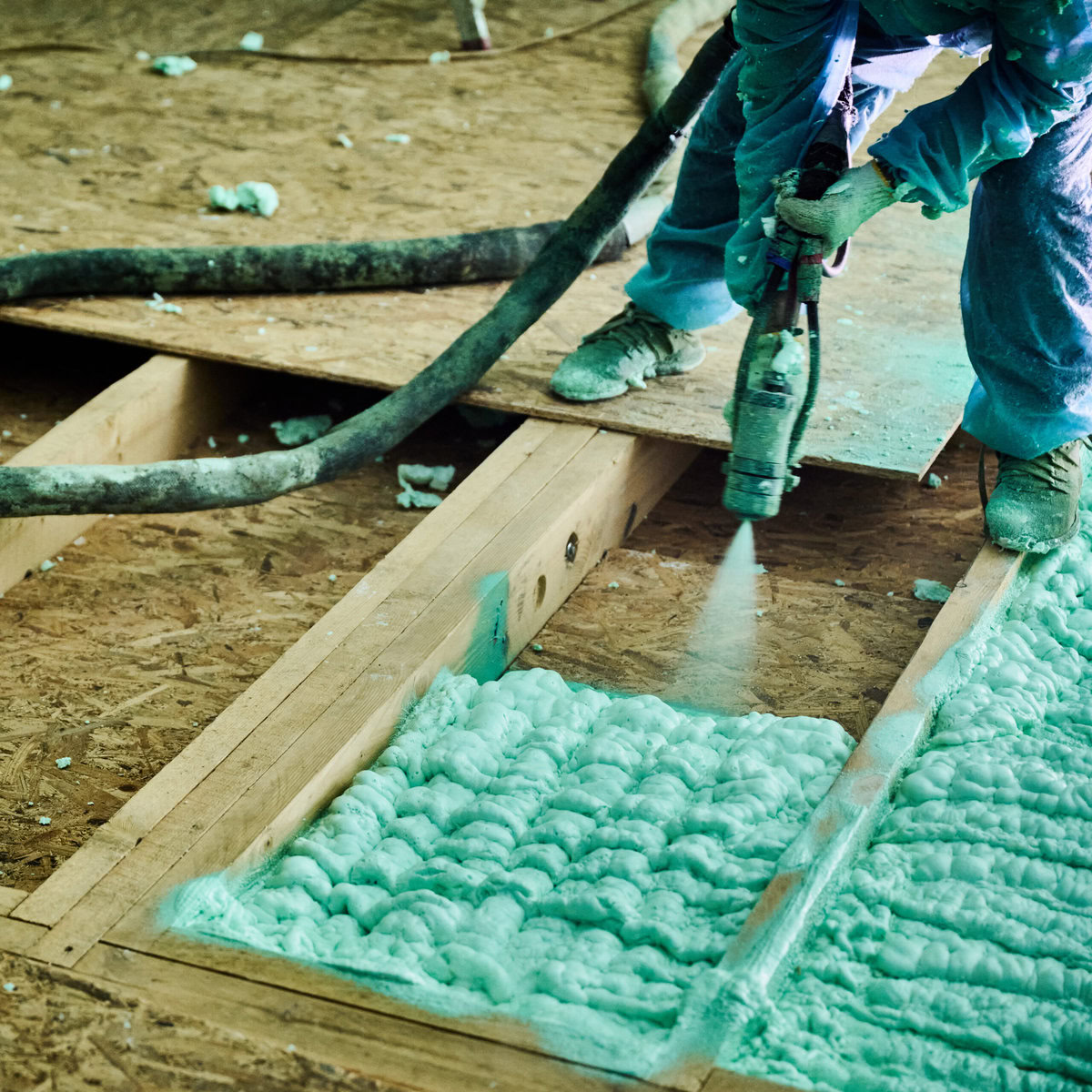
A 2,200-square-foot Palm Coast Parkway home suffered airflow restriction and burning odors from rodent nesting within the return air plenum. Rodents had destroyed internal fiberglass insulation and breached exterior intake seals. We installed full environmental containment, extracted debris via HEPA vacuuming, removed degraded fiberglass, and coated the interior with closed-cell foam insulation, restoring system function for 1,150 USD total.
Restoring the return plenum’s internal lining reinstated proper static pressure across the air handler coil. Closing the physical entry pathways stopped future pest intrusions, ensuring long-term air hygiene and mechanical reliability.
The Mechanics of Low-Cost Air Duct Cleaning Scams
Deceptive 99 USD whole-house duct cleaning advertisements function as predatory bait-and-switch schemes rather than legitimate service offerings. Operating industrial HEPA vacuum trucks and deploying certified labor carries fixed overhead costs that low-cost promotions cannot support. Unscrupulous operators rely on deceptive tactics, high-pressure sales pitches, and unquoted line fees to artificially inflate project costs upon arrival.
We routinely witness three deceptive tactics used by low-cost service providers:
- Superficial Vent Vacuuming: Operators attach a low-powered shop vacuum to return grilles for twenty minutes, completely neglecting internal main trunk lines and coils.
- Fabricated Mold Emergencies: Unqualified technicians point to normal household dust inside registers, falsely claiming lethal mold contamination to sell 400 USD to 1,000 USD unauthorized treatments.
- Unquoted Vent and Component Surcharges: Advertised specials cover only a single vent line, adding sudden mandatory fees for supply registers, blower wheels, or trunk access ports.
To protect consumer health and system integrity, the National Air Duct Cleaners Association ACR Standard specifies that thorough HVAC hygiene requires cleaning every system component—including coils, drain pans, air handlers, and ductwork—to avoid cross-contamination.
Comprehensive Cost Breakdown by Home Size and Condition
Air duct cleaning costs in Palm Coast vary from 250 USD for small townhomes up to 1,350 USD for complex biological remediation projects. Home square footage, duct accessibility, system count, and environmental contamination dictate total service investment. The following matrix details expected scope, cost ranges, and potential additional services across common regional property types.
| Home Configuration & Condition | Typical Cost Range | Included Operational Scope | Potential Additional Charges |
|---|---|---|---|
| Condo / Townhome (Up to 1,200 sq ft, 1 Unit, Easy Access) | 250 to 350 USD | Negative pressure extraction, up to 8 vents, 1 return, register washing | EPA antimicrobial sanitization (100 to 150 USD) |
| Standard Single-Family (1,500–2,200 sq ft, 1 Unit, Attic Access) | 375 to 520 USD | Full containment, trunk line agitation, up to 14 vents, 2 returns | Blower motor deep cleaning (120 to 180 USD) |
| Large Single-Family (2,500+ sq ft, 2 Units, Crawlspace/Attic) | 550 to 780 USD | Dual system isolation, mechanical brushing, all registers and trunks | Mastic duct sealing repairs (250 to 500 USD) |
| Heavily Contaminated System (Active Mold, Rodent Biohazard) | 700 to 1,350 USD | Full environmental containment, HEPA containment, biological disposal | Duct liner replacement (Varies per linear foot) |
DIY Air Duct Cleaning vs. Professional Service
Do-it-yourself air duct cleaning is limited to washing exterior register grilles and vacuuming several inches into duct openings. Standard household vacuums lack the static airflow required to dislodge and collect particulate buildup from main duct trunks. Professional services employ specialized negative pressure machines and high-velocity air whips to safely clear entire duct networks.
While homeowners should reliably replace air filters every 30 to 90 days, deep system duct cleaning requires heavy commercial gear. Attempting to scrub flexible helical ducting with rigid household brushes can tear internal plastic liners, causing massive attic air leaks. Furthermore, consumer vacuums lack certified HEPA exhaust filtration, causing microscopic allergens to blow directly back into indoor air. Professional negative pressure systems capture particulates inside sealed external filtration units, keeping living areas safe.
Coastal Environmental Factors Specific to Palm Coast Properties
Palm Coast’s coastal environment presents distinct indoor air challenges, including high ambient humidity, salt spray exposure, and continuous cooling cycles lasting over eight months annually. High humidity causes fine dust to stick firmly to duct walls and promotes condensation near supply registers, accelerating fungal growth. Addressing humidity controls alongside duct cleaning ensures lasting air quality.
High humidity causes fine dust and organic particles to form a tacky film inside ductwork that normal airflow cannot dislodge. According to official U.S. Environmental Protection Agency guidelines on duct cleaning, routine annual cleaning is unnecessary, but targeted cleaning is crucial when visible mold, vermin infestations, or severe register clogs occur. Correcting moisture sources alongside physical cleaning guarantees stable, long-term indoor air quality.
Frequently Asked Questions
What is the typical cost to clean air ducts in Palm Coast?
Professional air duct cleaning in Palm Coast costs between 350 USD and 600 USD for a typical 1,500 to 2,500 square foot single-family home. Condominiums may cost as little as 250 USD, whereas large multi-system residences or contaminated properties can range from 700 USD to 1,350 USD. Final pricing depends on system layout, accessibility, and contamination severity.
Why are advertised 99 USD whole-house duct cleaning deals risky?
Advertised 99 USD specials are deceptive marketing gimmicks designed to gain entry into homes for high-pressure upselling. These low-cost providers use basic shop vacuums that fail to clean main trunk lines or air handling units. Once inside, operators often fabricate mold threats or append hidden vent fees to inflate the bill.
How can I verify if mold is present in my HVAC ductwork?
You can verify biological growth by asking your HVAC technician for live video borescope footage of internal duct surfaces. Reputable contractors show clear visual evidence of microbial colonies inside supply trunks or air handler cabinets. Homeowners can also arrange independent laboratory tape-lift testing to confirm fungal species before authorizing remediation.
How long does a proper professional duct cleaning job take?
A thorough duct cleaning adhering to industry standards takes two certified technicians between two and four hours for a single-unit home. Services completed in under sixty minutes indicate skipped isolation procedures and uncleaned trunk lines. Complex multi-unit properties or biohazard cleanups can require up to eight hours of field labor.
Will cleaning my air ducts lower my monthly electricity bill?
Cleaning dirt-clogged ductwork, blower wheels, and evaporator coils reduces monthly energy costs by restoring original airflow velocity and lowering system static pressure. Eliminating restrictive debris allows the compressor to reach thermostat setpoints faster. Restored operational efficiency reduces mechanical strain and prevents premature equipment breakdowns.
Sources
- National Air Duct Cleaners Association (NADCA) – ACR Standard: https://nadca.com
- U.S. Environmental Protection Agency (EPA) – Should You Have the Air Ducts in Your Home Cleaned?: https://www.epa.gov/indoor-air-quality-iaq/should-you-have-air-ducts-your-home-cleaned

