
Clean Ducts, Clean Conscience: Eco-Friendly Cleaning In Jax
Table of Contents
Defining Eco-Friendly Air Duct Cleaning in Jacksonville
Eco-friendly air duct cleaning combines physical source removal with non-toxic, plant-based antimicrobial treatments to eliminate indoor air pollutants without releasing volatile organic compounds into your home. This sustainable approach protects indoor air quality while preventing hazardous chemical runoff, making it the safest solution for Northeast Florida properties.
When we evaluate heating, ventilation, and air conditioning systems throughout Jacksonville, we frequently encounter ductwork contaminated by pollen, dust mites, and fungal spores. Traditional duct cleaning often relied on harsh synthetic biocides that left lingering chemical residues inside residential supply lines. We replace those aggressive synthetic agents with EPA-registered botanical sanitizers derived from active plant ingredients like thymol. According to the U.S. Environmental Protection Agency, source control and thorough physical removal of accumulated debris remain the primary mechanisms for improving indoor air quality.
Real-World Field Case: Resolving Severe Microbial Buildup in Coastal HVAC Systems
Resolving severe microbial contamination in humid coastal environments requires combining negative pressure containment with targeted mechanical agitation and botanical sanitization. We successfully restored a contaminated duct system in Jacksonville by extracting deep-seated fungal growth, repairing degraded fiberglass duct lining, and applying an EPA-registered plant-based antimicrobial treatment.
In mid-2024, a Jacksonville homeowner contacted us after experiencing persistent musty odors and elevated allergy flare-ups despite monthly air filter changes. Our initial video inspection revealed heavy organic buildup and localized mold growth across thirty feet of internal fiberglass duct board, exacerbated by high coastal humidity and a failed return duct seal. The previous service provider had sprayed synthetic deodorizers over the debris, creating a sticky residue that trapped even more particulate matter.
To resolve this complex scenario, we first isolated the entire supply and return network using high-density foam blockades and plastic sheeting. We connected an eleven-thousand-CFM negative-air HEPA extraction system to create continuous suction throughout the ductwork. We then deployed rotating soft-bristle whips to dislodge embedded spores from the fibrous duct surfaces without tearing the underlying liner.
After complete mechanical extraction, we misted an EPA-registered, thyme-based disinfectant throughout the system to destroy remaining microorganisms at the cellular level. Finally, we resealed all duct joints with low-VOC mastic sealant and installed a MERV 13 media air cleaner to prevent future contamination.
The Whole-House Synergy: Ducts, Dryer Vents, and Attic Insulation
Achieving optimal indoor environmental quality requires treating your ductwork, dryer exhaust vents, and attic insulation as an integrated thermodynamic ecosystem. Cleaning air ducts without addressing clogged dryer vents or compromised insulation leaves your home vulnerable to backdrafting, excessive humidity, elevated power bills, and accelerated HVAC equipment wear.
Your home operates as a single interconnected thermal envelope where each mechanical component directly impacts the performance of the others. When dryer vents clog with lint, exhaust heat and moisture back up into living spaces, raising indoor relative humidity and forcing air conditioners to run extended cycles. Similarly, degraded attic insulation allows heat to transfer into supply ducts, causing conditioned air to warm before reaching your vents.
Research published by the U.S. Department of Energy demonstrates that duct thermal loss and leakage can reduce heating and cooling system efficiency by as much as twenty to thirty percent. Addressing these interrelated systems simultaneously delivers comprehensive protection against energy waste and indoor air contamination.
- Air Duct Sanitization: Removes accumulated particulate, bioaerosols, and dust mites from internal distribution channels.
- Dryer Vent Extraction: Eliminates flammable lint obstructions, restores airflow velocity, and lowers dryer operating temperatures.
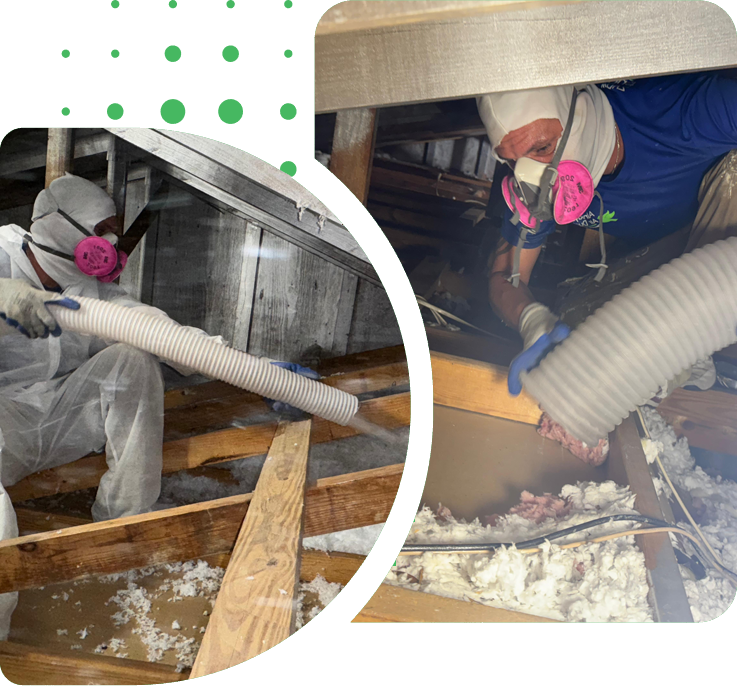
- Attic Insulation Upgrades: Creates an efficient thermal barrier, prevents moisture condensation on metal ducts, and stabilizes indoor temperatures.
Financial Trade-Offs and Long-Term Value Framework
Evaluating duct cleaning options requires comparing initial operational costs against long-term energy savings, equipment lifespan extensions, and health outcomes. Investing in comprehensive botanical source removal yields far greater lifetime return on investment than low-cost surface cleanings, which fail to eliminate embedded debris or prevent rapid recontamination.
| Cleaning Methodology | Initial Capital Outlay | Contaminant Removal Efficiency | VOC & Chemical Risk | HVAC Lifespan Impact |
|---|---|---|---|---|
| Mechanical Source Removal with Botanical Sanitizer | Moderate to High | 95% to 99% Removal | Zero Synthetic VOCs | Extends Equipment Life 3 to 5 Years |
| Traditional Synthetic Biocide Chemical Spray | Low to Moderate | 50% to 70% Removal | High Chemical Vapor Risk | Minimal Lifespan Extension |
| Basic Vent-Only Vacuuming | Low | Less than 25% Removal | Low | Negligible Impact |
Selecting an air duct restoration methodology involves weighing upfront expenditure against multi-year utility and maintenance costs. While basic surface vacuuming may cost only one hundred to two hundred US dollars, it leaves ninety percent of system contaminants intact within main trunk lines. Comprehensive source removal using plant-based sanitizers requires a larger upfront investment, typically ranging from four hundred to eight hundred US dollars depending on home square footage. However, removing heavy blower fan and evaporator coil deposits can save homeowners hundreds of US dollars annually in electric utility costs.
Step-by-Step Eco-Cleaning Field Workflow
Our field protocol follows strict source removal guidelines established by industry standards to guarantee thorough cleaning without cross-contaminating your living space. We combine high-velocity mechanical agitation with HEPA-filtered negative pressure vacuuming and non-toxic botanical sanitization to systematically clean every component of your central air distribution network.
- Pre-Inspection and Static Pressure Testing: We perform a comprehensive visual camera inspection and take baseline airflow measurements to identify structural leaks, standing moisture, or localized mold growth.
- Negative Pressure Containment Setup: We seal supply registers and connect a commercial-grade HEPA vacuum system generating negative air pressure throughout the entire duct network.
- Mechanical Agitation and Debris Dislodgement: We insert pneumatic whips, rotary brushes, and air sweeps into individual duct runs to scrub interior surfaces clean down to bare metal or liner.
- HEPA Extraction and Filtration: Our high-capacity extraction unit captures dislodged dust, pet dander, and bioaerosols, trapping 99.97 percent of particles down to 0.3 microns.
- Botanical Antimicrobial Application: We fog an EPA-registered, plant-derived disinfectant into ductwork according to National Air Duct Cleaners Association protocols to eliminate microscopic fungal spores.
- Post-Cleaning Verification and System Balancing: We complete a final camera inspection, verify balanced air pressure across all vents, and review clear before-and-after photographic proof with the property owner.
Frequently Asked Questions
Addressing air duct cleaning questions requires understanding technical service protocols, eco-friendly chemical safety, maintenance schedules, and system energy impacts. Homeowners must evaluate service scope, verified cleaning methodologies, and long-term indoor air quality benefits when choosing a service provider in Northeast Florida.
How often should air ducts be cleaned in Jacksonville homes?
Air ducts in Northeast Florida homes should typically be professionally cleaned every three to five years. High relative humidity, shedding pets, recent interior remodeling, or residents with severe respiratory allergies may necessitate cleaning every two to three years. Visual inspection showing visible dust buildup or persistent mold odors indicates an immediate need for service.
Will eco-friendly duct cleaning effectively kill mold and bacteria?
Yes, plant-based antimicrobial agents containing EPA-registered botanical active ingredients effectively neutralize mold, bacteria, and fungal spores. These natural solutions disrupt microbial cellular walls upon contact without off-gassing volatile organic compounds into indoor air. When paired with thorough mechanical source removal, botanical treatments match or exceed the efficacy of synthetic chemical biocides.
How long does a full eco-friendly duct cleaning process take?
A thorough eco-friendly duct cleaning for a standard residential home takes between three and five hours to complete. Complex multi-system properties, extensive duct networks, or severe contamination cases may require six to eight hours of dedicated field work. Quick procedures completed in under two hours usually indicate superficial vent cleaning rather than comprehensive system restoration.
Can dirty air ducts increase monthly utility bills?
Yes, heavy dust accumulation on evaporative coils, blower wheels, and duct walls significantly reduces airflow efficiency and increases power consumption. Restricted airflow forces your HVAC compressor and blower motor to run longer cycles to reach set thermostat temperatures. According to energy industry data, maintaining clean heat exchange components can lower cooling energy usage by fifteen to twenty percent.
What is the difference between air duct cleaning and duct sealing?
Air duct cleaning removes solid particulate matter and biological contaminants from internal duct surfaces, whereas duct sealing closes gaps, cracks, and disconnected joints along duct walls. Duct cleaning restores clean indoor airflow, while duct sealing prevents conditioned air from leaking into unconditioned attic or crawl spaces. Combining both services yields optimal indoor air quality and maximum thermal efficiency.
Sources
- U.S. Environmental Protection Agency (EPA) – Should You Have the Air Ducts in Your Home Cleaned?: https://www.epa.gov/indoor-air-quality-iaq/should-you-have-air-ducts-your-home-cleaned
- U.S. Department of Energy (DOE) – Duct Sealing and Building Efficiency: https://www.energy.gov
- National Air Duct Cleaners Association (NADCA) – ACR Standard for Assessment, Cleaning, and Restoration of HVAC Systems: https://nadca.com
Related Articles
What The EPA Actually Says About Air Duct Cleaning (And What It Means For Your Home)
DIY Vs. Professional Air Duct Cleaning In Palm Coast: A Cost-Benefit Analysis
Does Homeowners Insurance Cover Air Duct Cleaning?
Palm Coast’s Best Air Duct Cleaning & Insulation Provider: Airwayz Air Duct Services
Air Duct Cleaning Services in Port Orange, FL
People Also Ask
Yes, professional air duct cleaning is highly effective when done correctly. It removes built-up dust, allergens, pet dander, and microbial growth that recirculate through your home. This can improve indoor air quality, reduce allergy symptoms, and help your HVAC system run more efficiently. However, the key is using proper equipment like a HEPA-filtered vacuum and source removal techniques, not just a quick sweep. For a deeper understanding of what truly makes a difference, you can refer to our internal article titled The Gold Standard Of Air Duct Cleaning On The First Coast. At Airwayz Duct and Insulation, we follow strict industry standards to ensure the process delivers real, measurable results for your home.
While it is possible to clean your AC ducts yourself, professional service is strongly recommended for thorough results. DIY cleaning typically only reaches the surface of supply registers and visible grilles, leaving deep contamination within the ductwork, coils, and blower fan untouched. Improper cleaning can also damage delicate components or stir up dust and mold spores, worsening indoor air quality. For a comprehensive clean that meets NADCA standards, trust the experts. Airwayz Duct and Insulation uses specialized equipment to remove all debris and sanitize the entire system. For more on our service area, see our article From The Historic District To The Beaches: We Serve All St. Augustine.
Yes, mold can absolutely grow inside a flex duct. The primary cause is moisture, which can enter the system from high humidity, condensation, or a leak. The inner lining of flex duct, often made of plastic or mylar, can trap dust and organic debris. When this debris becomes damp, it creates an ideal breeding ground for mold spores. Once established, mold can degrade indoor air quality and potentially cause health issues. To prevent this, ensure your HVAC system is properly sealed and that humidity levels in your home are controlled. For a visual reference on what to look for, you can review our internal article titled Palm Coast Duct Cleaning: Before & After Photo Guide. Airwayz Duct and Insulation recommends professional inspection if you suspect any contamination.
For homeowners in Palm Coast and Flagler County, the cost to clean ducts and vents typically ranges from $300 to $500 for a standard home, though factors like system size and contamination level can influence the price. While this service improves indoor air quality and system efficiency, many wonder about financial assistance. If you are considering insurance coverage, you should review our internal article titled Does Homeowners Insurance Cover Air Duct Cleaning? to understand typical policy limitations. At Airwayz Duct and Insulation, we recommend getting a detailed quote before proceeding, as professional cleaning removes dust, allergens, and debris that can hinder HVAC performance.
For homeowners in Palm Coast and Flagler County considering a do-it-yourself approach, an air duct cleaning kit can seem like a cost-effective solution. However, these consumer-grade kits are typically insufficient for a thorough cleaning. They often only reach the surface of your vents, failing to remove deeply embedded contaminants like mold, dust mites, and bacteria from the entire duct system. Professional equipment, such as high-powered HEPA vacuums and rotary brushes, is necessary for a complete sanitization. Before you attempt a DIY clean, review our internal article titled Does Homeowners Insurance Cover Air Duct Cleaning? to understand potential insurance implications. For a truly healthy home environment, trust the certified technicians at Airwayz Duct and Insulation to provide the deep, professional cleaning your system requires.